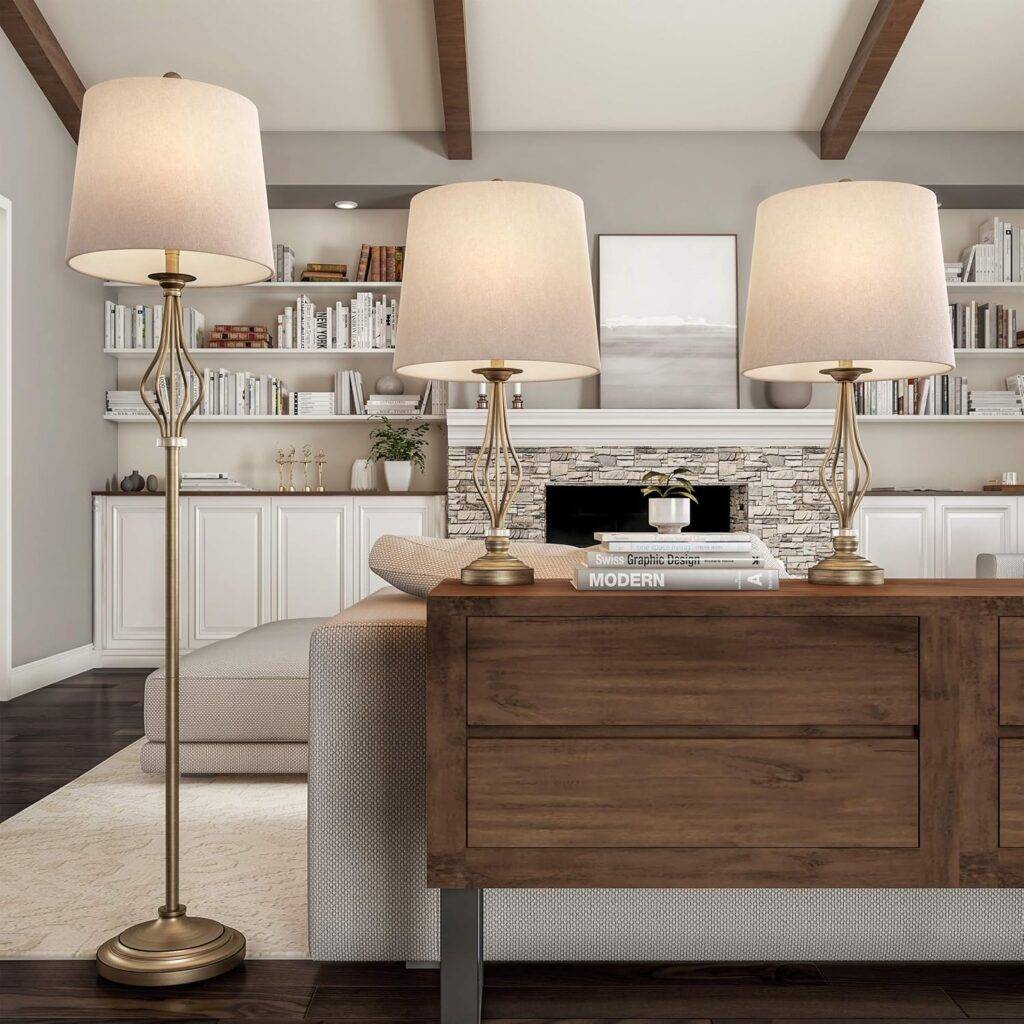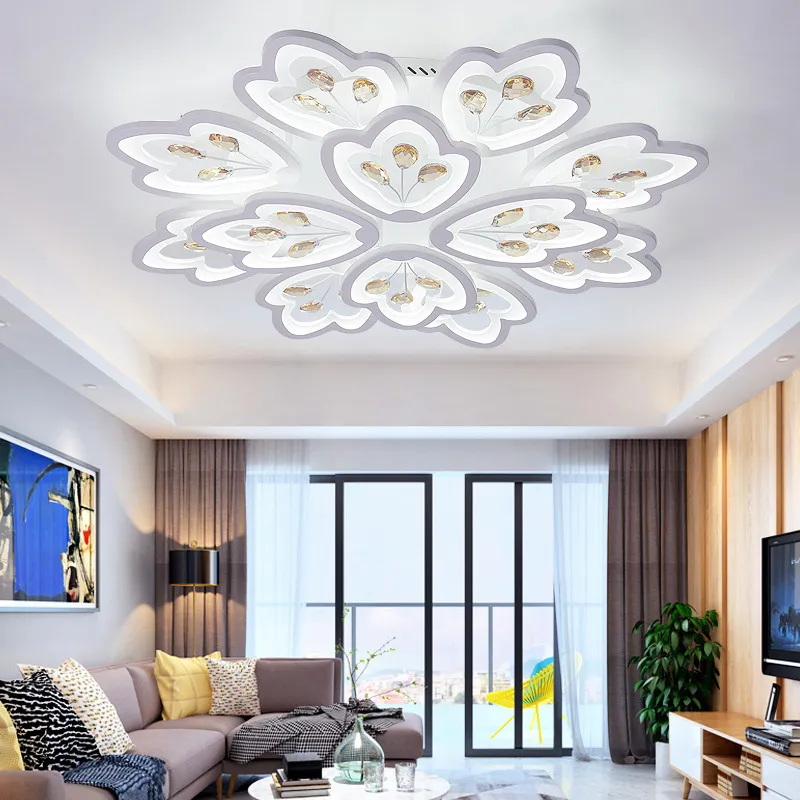
Light defines how we see and experience our surroundings. It influences mood, comfort, and even productivity. Whether natural or artificial, lighting transforms an ordinary room into a vibrant, functional, and inviting space.
In home and commercial interiors, thoughtful lighting design plays a crucial role in balancing aesthetics, functionality, and atmosphere. From ceiling lights that brighten entire rooms to smart and LED lighting solutions that combine efficiency with innovation, the world of illumination has evolved into a key part of modern design.
This guide explores how lighting impacts interior spaces, focusing on ceiling lights and smart LED systems, while highlighting trends, technologies, and practical tips for creating beautifully lit environments.
Understanding the Role of Lighting in Interior Design
Lighting is more than brightness; it’s an art of layering light sources to enhance visual comfort and ambiance. Good lighting emphasizes textures, colors, and focal points while improving visibility and mood.
Types of Lighting
-
Ambient Lighting – The general illumination that provides overall brightness. Examples include ceiling-mounted fixtures, recessed lights, and chandeliers.
-
Task Lighting – Focused lighting for specific activities like reading, cooking, or studying. Desk lamps, under-cabinet lights, and pendant fixtures serve this purpose.
-
Accent Lighting – Highlights architectural features, artwork, or decorative objects. Spotlights or wall washers are commonly used.
-
Decorative Lighting – Adds personality and style — chandeliers, pendant lamps, and artistic light fixtures fall in this category.
Combining these layers creates a balanced environment that is both functional and visually appealing.
1. Ceiling Lights: The Foundation of Illumination
What Are Ceiling Lights?
Ceiling lights are the primary sources of ambient lighting in most spaces. Installed overhead, they distribute light evenly across the room, ensuring visibility and creating the base layer for further lighting design.
These fixtures are not only practical but also key decorative elements that can define a room’s character — from minimal recessed lights in modern homes to ornate chandeliers in classic interiors.
Types of Ceiling Lights
-
Chandeliers
These statement pieces bring elegance and grandeur. Available in materials such as crystal, glass, brass, and wrought iron, chandeliers work well in entryways, dining rooms, and formal spaces. -
Pendant Lights
Suspended from the ceiling, pendant lights provide focused illumination. Ideal for kitchen islands or dining tables, they add style and functionality. -
Flush Mount and Semi-Flush Mount Lights
These fixtures are attached close to the ceiling and suit rooms with lower heights. They offer subtle, widespread lighting for bedrooms, hallways, and living rooms. -
Recessed Lights (Downlights)
Installed within the ceiling, recessed lights offer a clean, minimalist appearance. They are commonly used in modern interiors to achieve a sleek look without visible fixtures. -
Track Lighting
A versatile option that allows multiple adjustable lights along a single track. Excellent for highlighting artworks or adjusting lighting direction in open layouts. -
Cove and False Ceiling Lighting
These indirect lighting designs are integrated into architectural features like ceiling coves, adding depth and drama.
Choosing the Right Ceiling Light
When selecting a ceiling light, consider:
-
Room size and ceiling height – Large spaces require more powerful or multiple fixtures.
-
Purpose of the room – Task-heavy rooms (like kitchens) need brighter, focused light.
-
Design aesthetics – The fixture’s style should complement existing décor.
-
Color temperature – Warm light (2700K–3000K) for cozy spaces, cool light (4000K–5000K) for work areas.
Ceiling Light Trends in Modern Homes
-
Minimalist Designs: Clean lines, matte finishes, and geometric forms dominate contemporary lighting.
-
Mixed Materials: Brass, wood, and glass combinations add sophistication.
-
Layered Lighting: Combining ceiling lights with lamps and wall sconces for balanced illumination.
-
Energy-Efficient LEDs: Replacing incandescent bulbs with long-lasting LED fixtures.
Ceiling lights have moved beyond utility — they’re central design statements that set the tone for every room.
2. Smart & LED Lighting: The Future of Illumination
Lighting Meets Technology
In recent years, smart lighting and LED technology have revolutionized how we illuminate our homes and workplaces. These systems offer energy efficiency, customization, and automation, blending technology with comfort and sustainability.
Understanding LED Lighting
LED (Light Emitting Diode) lights use semiconductor technology to convert electricity into light efficiently. They last longer, consume less energy, and emit minimal heat compared to traditional bulbs.
Benefits of LED Lighting:
-
Up to 80% more energy-efficient than incandescent bulbs.
-
Lifespan of 25,000–50,000 hours.
-
Available in various color temperatures and brightness levels.
-
Environmentally friendly — contain no mercury or toxic materials.
Smart Lighting Systems
Smart lighting allows users to control illumination through apps, voice assistants, or sensors. Integrated with home automation systems, they provide convenience, flexibility, and personalization.
Common Features of Smart Lighting:
-
Remote Control – Adjust brightness and color using smartphones or smart speakers.
-
Voice Commands – Compatibility with Alexa, Google Assistant, and Apple HomeKit.
-
Scheduling – Automate lighting according to routines (e.g., dimming in the evening).
-
Motion Sensors – Lights turn on automatically when someone enters a room.
-
Color Customization – Millions of hues for mood or ambiance creation.
Popular Smart Lighting Products
-
Smart Bulbs – Replace regular bulbs and connect via Wi-Fi or Bluetooth.
-
Smart LED Strips – Flexible strips ideal for under-cabinet or behind-TV lighting.
-
Smart Downlights and Panels – Integrated systems for ceiling illumination.
-
Outdoor Smart Lighting – Garden and patio lights with motion sensors.
These options offer versatility — from subtle accents to dynamic color transitions that suit every mood or occasion.
Integrating Smart Lighting into Your Home
Smart lighting fits seamlessly into any interior design style.
-
Living Room: Adjust brightness to create cozy movie-night settings or bright family gatherings.
-
Bedroom: Schedule lights to dim gradually for better sleep.
-
Kitchen: Use task lighting combined with smart under-cabinet LEDs for better visibility.
-
Workspaces: Choose cool white light to enhance focus.
Smart lighting transforms everyday living into an adaptive experience that aligns with lifestyle and mood.
Sustainability and Energy Efficiency
LED and smart lighting contribute significantly to sustainability goals.
-
Lower Energy Use: LEDs convert most energy into light, not heat.
-
Reduced Carbon Footprint: Less electricity demand means fewer greenhouse emissions.
-
Longer Lifespan: Fewer replacements reduce waste.
-
Smart Control: Automation prevents unnecessary energy consumption.
Entities and Related Terms: green technology, sustainable home design, energy-efficient homes, renewable lighting solutions.
Lighting Design Principles
Layering for Balance
Good lighting combines multiple sources to achieve visual comfort and depth.
-
Ambient Layer – Overall room illumination (e.g., ceiling lights).
-
Task Layer – Focused lighting for reading, cooking, or working.
-
Accent Layer – Highlights features and creates focal points.
When all three layers harmonize, a room feels dynamic and balanced.
Color Temperature and Mood
Light color influences atmosphere and behavior:
-
Warm Light (2700K–3000K): Cozy and inviting; suitable for living rooms and bedrooms.
-
Neutral Light (3500K–4100K): Balanced tone for dining or bathrooms.
-
Cool Light (5000K–6500K): Energizing and crisp; ideal for offices or kitchens.
Using adjustable LEDs allows homeowners to switch color temperatures depending on the activity — from relaxing evenings to productive mornings.
Lighting Placement and Shadows
Placement impacts both functionality and aesthetics.
-
Avoid harsh shadows by overlapping light sources.
-
Position lights strategically to highlight furniture or architectural details.
-
In ceiling design, mix recessed and pendant lights for a dynamic look.
Lighting in Different Spaces
Living Room Lighting
Combine a central ceiling light with floor lamps and smart accent lighting to balance brightness and warmth. Dimmable LEDs help set varying moods throughout the day.
Bedroom Lighting
Soft, layered illumination creates tranquility. Use bedside lamps, smart dimmers, and recessed ceiling lights for controlled brightness.
Kitchen Lighting
Task lighting is vital here. Pendant lights over counters and under-cabinet LEDs ensure safe and efficient cooking.
Bathroom Lighting
Opt for moisture-resistant fixtures with even, bright light around mirrors. LED panels or wall sconces work well.
Outdoor Lighting
Weather-resistant LED floodlights or solar-powered lamps enhance safety while saving energy.
Lighting Trends and Innovations
-
Human-Centric Lighting – Mimics natural daylight patterns to support circadian rhythms.
-
Tunable White LEDs – Adjustable color temperature for well-being and comfort.
-
Sustainable Materials – Fixtures made from bamboo, rattan, and recycled metals.
-
Wireless Charging Lamps – Combine convenience with functionality.
-
Smart Scene Setting – Automated lighting scenarios for reading, relaxing, or entertaining.
Lighting now blends design, health, and technology, creating experiences rather than just illumination.
Maintenance and Longevity
To ensure lasting performance:
-
Clean fixtures regularly to maintain brightness.
-
Use quality LED bulbs with good color rendering (CRI above 80).
-
Check electrical fittings periodically for safety.
-
Update firmware for smart lighting systems to improve efficiency and control.
Proper maintenance extends fixture life and sustains lighting quality.
Psychological and Functional Impact of Lighting
Lighting influences mood, perception, and productivity:
-
Bright, cool light improves alertness and concentration.
-
Soft, warm light promotes relaxation.
-
Dynamic lighting can shift energy levels throughout the day.
Balanced lighting design can enhance well-being and make spaces feel more harmonious and functional.
Final Thoughts: Lighting as a Design Language
Lighting is not just a utility — it’s a language of design and emotion. The right blend of ceiling lights and smart LED solutions can transform how we experience our homes and workplaces.
From elegant chandeliers to intelligent light systems, illumination defines every corner, every surface, and every moment. Modern lighting embraces both efficiency and expression, enabling spaces that adapt, inspire, and comfort.
Whether you prefer the timeless glow of classic fixtures or the precision of smart technology, remember — good lighting doesn’t just brighten rooms; it illuminates life itself.