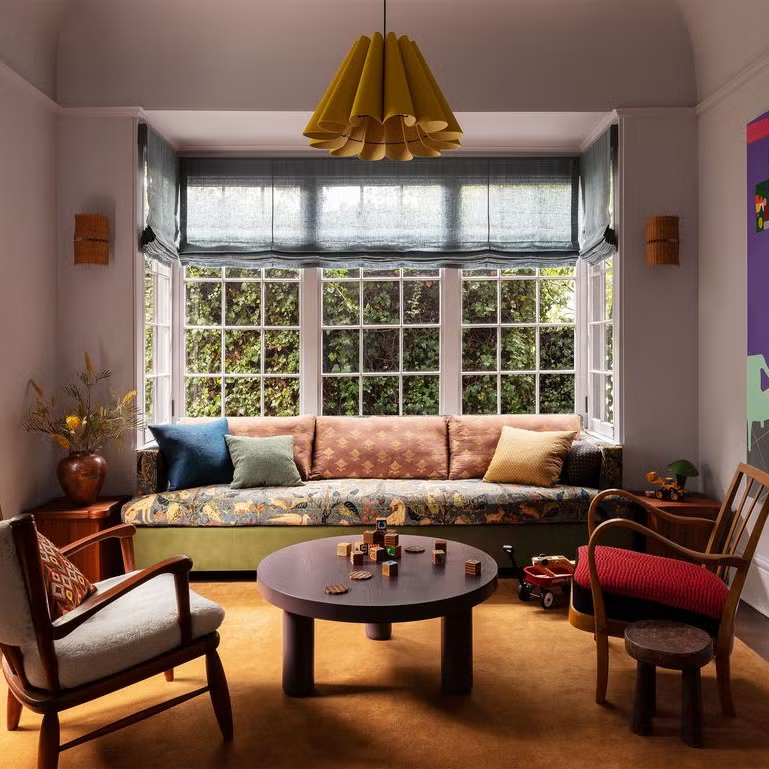
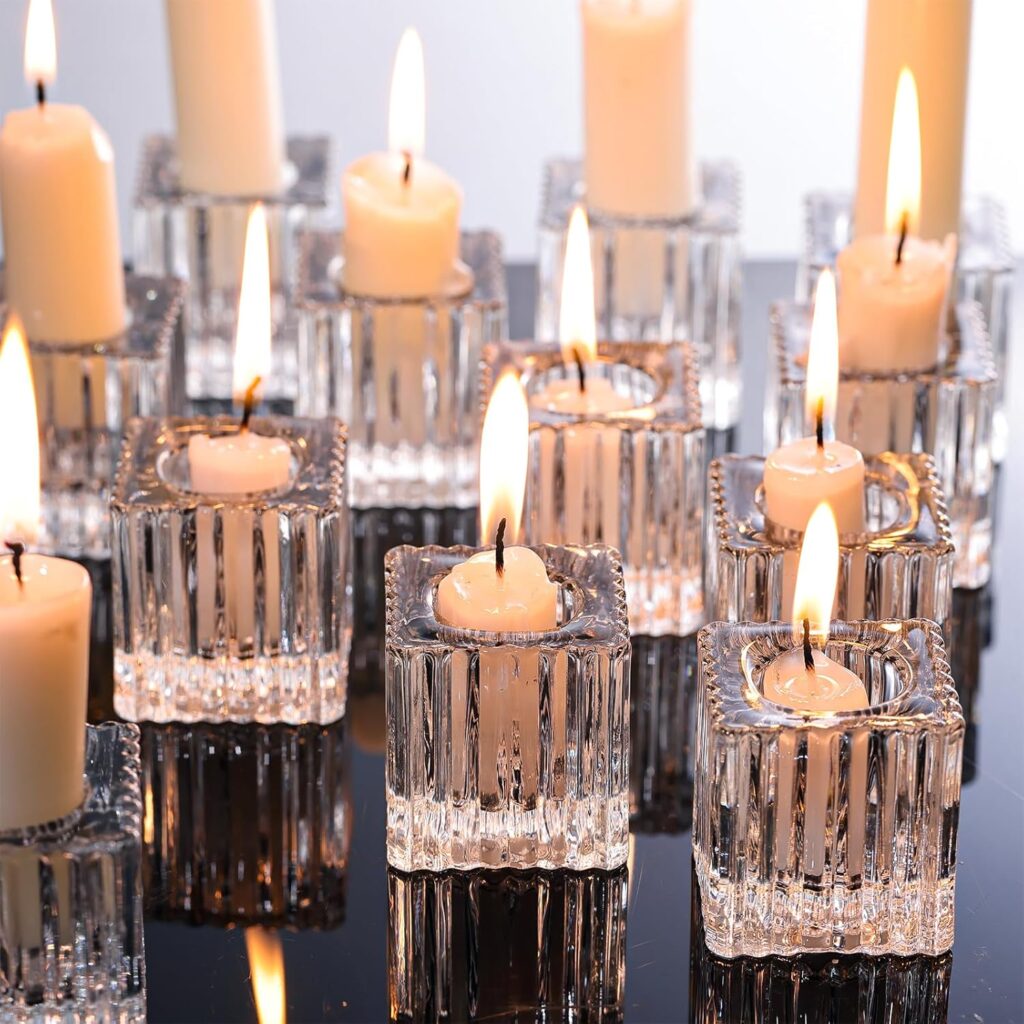
Creating a beautiful and functional home is more than just filling rooms with furniture — it’s about designing a space that reflects your personality, lifestyle, and aesthetic vision. Home décor plays a crucial role in shaping how a house feels, from the warmth of its lighting to the textures beneath your feet. Whether it’s the chime of a wall clock, the soft glow of candles, or the elegant drape of curtains, every detail contributes to the overall ambiance.
In this comprehensive guide, we’ll explore essential elements of home décor — clocks, candles & holders, rugs, carpets & mats, and curtains & blinds — discussing how each enhances the look and feel of your living space.
The Essence of Home Décor
Home décor isn’t just about aesthetics; it’s about creating harmony and comfort. The right décor elements balance form and function, transforming an ordinary house into a welcoming home.
From minimalist interiors to cozy traditional settings, décor choices influence mood, comfort, and even productivity.
Some key aspects of effective home styling include:
-
Color coordination to establish mood and visual consistency.
-
Texture and layering for depth and warmth.
-
Lighting to enhance atmosphere and highlight features.
-
Functional beauty, ensuring décor elements serve a practical purpose.
As trends evolve, personalized and sustainable décor have become central themes. Homeowners today seek pieces that combine craftsmanship, durability, and emotional connection — turning living spaces into meaningful reflections of who they are.
1. Clocks: The Art of Keeping Time in Style
A Blend of Function and Aesthetics
A clock is more than just a timekeeping device — it’s a statement piece. Whether placed in the living room, bedroom, or office, clocks add character, rhythm, and structure to a space. The ticking sound often brings a sense of life and continuity to interiors.
Types of Decorative Clocks
-
Wall Clocks
These remain a classic choice for home décor. Modern wall clocks range from sleek, minimalist designs to vintage and rustic styles with Roman numerals or wooden finishes. They serve as both a focal point and a functional accessory. -
Table Clocks
Perfect for study tables, mantels, or bedside stands. Table clocks often feature compact, stylish designs that enhance smaller areas. -
Grandfather and Pendulum Clocks
Known for their timeless elegance, these pieces add heritage and sophistication to hallways or formal rooms. Their craftsmanship and movement make them art forms in themselves. -
Digital and Smart Clocks
In contemporary interiors, smart clocks integrate technology with design. They sync with devices, display weather updates, and blend seamlessly with modern minimalist themes.
Choosing the Right Clock for Your Space
When selecting a decorative clock:
-
Consider scale: A large wall clock can serve as a statement in a spacious room, while smaller spaces benefit from compact or minimalist designs.
-
Match your décor style: Industrial, bohemian, mid-century, or modern — choose a clock that complements your theme.
-
Material matters: Metal, wood, glass, and ceramic all bring different visual textures.
Clocks, though subtle, symbolize punctuality, order, and timeless elegance, making them indispensable to home décor.
2. Candles & Holders: Creating Warmth and Ambiance
The Emotional Power of Candlelight
Few décor elements create a sense of calm and serenity like candles. The flicker of candlelight adds warmth, intimacy, and tranquility to any space. Candles are perfect for evening relaxation, romantic settings, or simply softening the tone of a room after sunset.
Types of Candles
-
Scented Candles – Infused with essential oils, they double as aromatherapy, improving mood and air quality.
-
Pillar Candles – Ideal for decorative stands and centerpieces.
-
Tealight Candles – Small and versatile; great for creating clusters of light.
-
Jar Candles – Convenient, long-lasting, and safe for indoor use.
-
Taper Candles – Elegant choices for dining tables and classic interiors.
Candle Holders: The Unsung Heroes of Décor
Candle holders not only support candles but also enhance aesthetic appeal.
Popular styles include:
-
Glass and crystal holders for modern interiors.
-
Metal holders (iron, brass, copper) for vintage or industrial looks.
-
Wooden and ceramic stands for rustic charm.
Grouped candles with varied heights create visual interest, while single statement pieces can define minimalist arrangements.
Safety and Placement Tips
-
Keep candles away from flammable fabrics.
-
Use heat-resistant trays or holders.
-
Avoid drafts to prevent uneven burning.
-
For fragrance layering, combine complementary scents (e.g., lavender and vanilla).
Candles as Emotional Anchors
Beyond beauty, candles evoke nostalgia, mindfulness, and peace. Whether used in the living room, bathroom, or bedroom, they remind us to pause and appreciate small moments of serenity in daily life.
3. Rugs, Carpets & Mats: Comfort Underfoot
Adding Texture and Warmth
Floor décor plays a foundational role in home design. Rugs, carpets, and mats not only protect floors but also define zones within open spaces, introduce texture, and add layers of warmth and comfort.
Difference Between Rugs, Carpets, and Mats
-
Rugs: Smaller, often movable pieces used for accenting specific areas.
-
Carpets: Wall-to-wall installations that provide insulation and sound absorption.
-
Mats: Practical accessories placed at entrances or under furniture for cleanliness and traction.
Types of Rugs and Carpets
-
Persian and Oriental Rugs – Known for their intricate patterns and cultural heritage.
-
Handwoven or Kilim Rugs – Perfect for bohemian and eclectic styles.
-
Wool Carpets – Durable and warm, ideal for colder climates.
-
Jute and Sisal Rugs – Eco-friendly options for natural, earthy aesthetics.
-
Shag Rugs – Plush textures for a cozy, luxurious feel.
-
Synthetic Fiber Carpets – Easy to maintain and suitable for high-traffic areas.
Choosing the Right Size and Placement
-
Living Room: Ensure the rug anchors the furniture layout, extending slightly beyond the sofa.
-
Bedroom: Place rugs under the bed to create a soft landing on both sides.
-
Dining Area: Choose a rug large enough to hold chairs even when pulled out.
-
Entryways: Mats help maintain cleanliness while adding style.
Color and Pattern Coordination
Rugs act as the foundation of a room’s color scheme. Choose patterns that either:
-
Complement neutral furniture with vibrant tones, or
-
Balance bold interiors with subtle hues.
Layering rugs — such as a neutral base rug topped with a smaller patterned one — adds dimension and personality.
Maintenance and Care
Vacuum regularly, rotate rugs for even wear, and use rug pads to prevent slipping. For delicate handwoven pieces, professional cleaning preserves longevity.
Rugs and carpets don’t just decorate floors; they enhance acoustics, comfort, and spatial definition, contributing significantly to a room’s atmosphere.
4. Curtains & Blinds: Dressing the Windows with Elegance
The Role of Window Treatments
Windows are the eyes of a home, and curtains and blinds act as their attire. They control light, add privacy, and influence the visual flow of a room. From sheer drapes to bold patterned blinds, the choice of window treatment can redefine a space’s mood.
Curtains: Classic and Versatile
Curtains remain timeless due to their variety in fabrics, styles, and functionality.
-
Sheer Curtains: Let in soft, diffused light while maintaining openness.
-
Blackout Curtains: Ideal for bedrooms, ensuring restful sleep by blocking external light.
-
Velvet and Brocade Drapes: Add luxury and depth to formal areas.
-
Linen and Cotton Curtains: Offer a breezy, natural appeal for casual spaces.
Heading styles like eyelets, pleats, or tab tops influence the overall look. Curtain rods, tiebacks, and finials also serve as decorative accents.
Blinds: Modern and Minimal
Blinds offer a clean, structured look, making them suitable for contemporary interiors.
Popular types include:
-
Venetian Blinds – Adjustable slats for precise light control.
-
Roller Blinds – Sleek, space-saving, and easy to maintain.
-
Roman Blinds – Soft fabric folds for an elegant finish.
-
Bamboo or Wooden Blinds – Bring natural textures indoors.
Choosing Between Curtains and Blinds
For traditional interiors, curtains add warmth and flow; for modern settings, blinds provide functionality and simplicity. Some homeowners even combine both for layered sophistication — sheer blinds beneath heavier drapes offer flexibility in light and privacy control.
Colors, Patterns, and Fabrics
The right window treatment can complement or contrast your walls and furniture:
-
Light fabrics make rooms feel larger and airier.
-
Dark tones create intimacy and drama.
-
Patterns introduce visual interest, while solids promote calmness.
Energy Efficiency and Practical Benefits
Curtains and blinds also contribute to temperature regulation by insulating rooms. Thermal curtains, for instance, reduce heat loss during winter and block heat in summer — promoting both comfort and energy savings.
Balancing Home Décor Elements
When decorating a space, balance is key. Each element — whether a clock, candle, rug, or curtain — should work harmoniously to create a cohesive environment.
Tips for Achieving Balance
-
Start with a focal point – It could be an accent wall, a statement rug, or a decorative clock.
-
Layer textures and materials – Combine smooth surfaces with rough finishes for contrast.
-
Use symmetry thoughtfully – Pair similar décor elements on opposite sides for visual stability.
-
Incorporate greenery – Plants soften interiors and introduce freshness.
-
Play with lighting – Combine natural light with lamps, sconces, and candles for depth.
The Psychology of Décor
Every color, shape, and texture impacts how a space feels:
-
Warm tones (beige, gold, terracotta) evoke comfort.
-
Cool tones (blue, gray, green) bring calmness.
-
Natural textures promote grounding and relaxation.
Thoughtful home décor can enhance mood, improve productivity, and reflect identity — making it one of the most personal forms of design.
Sustainability in Home Décor
Modern interior design increasingly values eco-friendly materials and sustainable practices.
Choosing renewable, locally crafted, or upcycled décor elements not only benefits the planet but also adds authenticity to your home.
Eco-Friendly Décor Choices
-
Organic fabrics like linen, cotton, and bamboo for curtains and rugs.
-
Soy or beeswax candles instead of paraffin.
-
Wooden clocks made from reclaimed timber.
-
Natural fiber mats and handwoven rugs by local artisans.
Sustainable décor fosters mindful living, emphasizing quality and durability over excess consumption.
Final Thoughts: Crafting a Home That Tells Your Story
Home décor is an evolving journey — one that reflects your values, tastes, and lifestyle. From the rhythmic ticking of a clock to the soft drape of a curtain, every element adds meaning and comfort to daily living.
When chosen thoughtfully, clocks, candles, rugs, carpets, mats, curtains, and blinds together create harmony — transforming your home into a sanctuary of style, warmth, and self-expression.
Ultimately, the best décor is not about following trends but about creating spaces that feel authentically yours — spaces that tell your story through timeless design and everyday beauty.