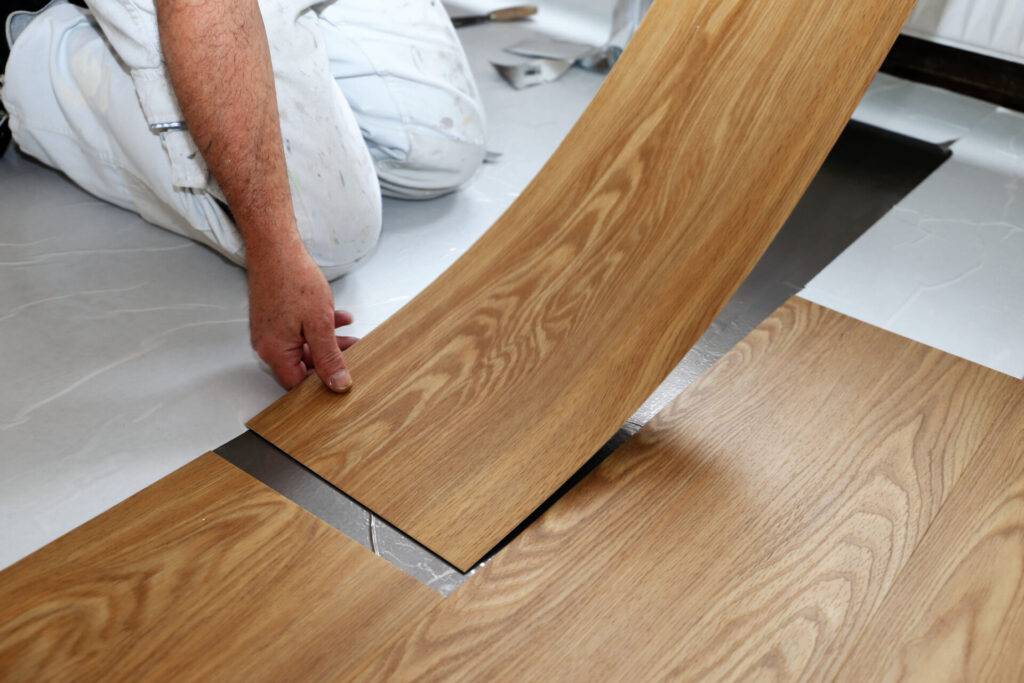
Hardwood flooring is a popular choice for residential properties in the United States and the United Kingdom because of its natural appearance, durability and ability to complement different interior styles. From traditional oak floors in older homes to modern engineered wood flooring in contemporary properties, wood flooring can influence the appearance, comfort and value of a living space.
However, hardwood flooring can develop scratches, dents, stains, moisture damage and general wear over time. When the existing flooring becomes damaged or outdated, homeowners may consider replacing it with new hardwood floors. The cost to replace hardwood floors depends on several factors, including the type of wood, floor area, installation method, labour, removal of old flooring and the condition of the subfloor.
Understanding wood flooring material cost, hardwood cost per square foot and the average cost of wood flooring can help homeowners plan renovation projects and compare flooring options more accurately.
What Is Hardwood Flooring?
Hardwood flooring is a floor covering manufactured from natural wood. It is commonly made from species such as oak, maple, walnut, ash, cherry and hickory. Hardwood flooring is available in solid wood and engineered wood formats, each offering different construction characteristics and installation requirements.
Solid hardwood flooring is manufactured from a single piece of wood. It can often be sanded and refinished multiple times, depending on its thickness and condition. Solid hardwood is generally installed above ground level and requires suitable indoor humidity conditions.
Engineered hardwood flooring consists of a real wood veneer bonded to layers of plywood or other engineered wood materials. It provides the appearance of natural hardwood while offering greater dimensional stability in many environments. Depending on the product, engineered flooring may be suitable for certain ground-level or below-grade applications where solid hardwood is not recommended.
Common hardwood flooring types include:
-
Oak flooring
-
Maple flooring
-
Walnut flooring
-
Hickory flooring
-
Ash flooring
-
Cherry flooring
-
White oak flooring
-
Red oak flooring
-
Engineered hardwood flooring
-
Solid hardwood flooring
The selected wood species, construction, finish, thickness and grade can influence the cost for wood floors per square foot.
Average Cost to Replace Hardwood Floors
The following figures are broad illustrative planning estimates for the USA and UK. They are not live contractor quotations and may vary by region, flooring type, property condition, labour rates and project requirements.
Hardwood Flooring Costs in the USA
| Flooring project | Estimated cost per sq. ft. |
|---|---|
| Basic engineered hardwood material | $3–$6 |
| Mid-range engineered hardwood material | $5–$9 |
| Premium engineered hardwood material | $8–$14+ |
| Solid hardwood material | $5–$12+ |
| Basic hardwood installation | $3–$6 |
| Standard hardwood installation | $4–$8 |
| Premium or complex installation | $6–$12+ |
| Hardwood flooring installed | $8–$20+ |
Hardwood Flooring Costs in the UK
| Flooring project | Estimated cost per sq. ft. |
|---|---|
| Basic engineered wood material | £3–£7 |
| Mid-range engineered wood material | £5–£10 |
| Premium engineered wood material | £8–£15+ |
| Solid wood flooring material | £6–£15+ |
| Basic flooring installation | £3–£6 |
| Standard flooring installation | £4–£8 |
| Complex flooring installation | £6–£12+ |
| Wood flooring installed | £8–£25+ |
UK flooring prices are often quoted per square metre rather than per square foot. These estimates exclude potential extras such as VAT, old floor removal, subfloor repairs, furniture moving and skirting replacement.
The total cost to replace hardwood floors is usually higher than the material-only price because replacement projects may involve removing the existing flooring, preparing the subfloor and installing new materials.
Hardwood Flooring Cost by Wood Type
The wood species selected for a flooring project can influence the material price, durability, grain pattern and overall appearance. Some species are widely available and generally more affordable, while others may cost more because of their hardness, appearance or availability.
| Wood type | Approximate material cost per sq. ft. in the USA |
|---|---|
| Red oak | $5–$11 |
| White oak | $5–$12 |
| Maple | $4–$15 |
| Hickory | $6–$14 |
| White ash | $6–$14 |
| Walnut | $8–$18+ |
| Cherry | $6–$15 |
| Exotic hardwood | $9–$25+ |
Material ranges are illustrative and can vary according to grade, thickness, finish, plank width, manufacturer and availability.
Oak Flooring
Oak is one of the most common hardwood flooring choices in residential properties. Red oak has warm undertones and a distinctive grain pattern, while white oak often features a more neutral appearance.
Oak flooring is available in numerous finishes, including natural, stained, brushed and matte finishes. Its availability across different price ranges makes it a common choice for bedrooms, living rooms, hallways and other areas.
Maple Flooring
Maple flooring generally has a lighter appearance and a relatively subtle grain pattern. Its hardness makes it suitable for spaces that experience regular foot traffic, although the finish and maintenance routine also influence its performance.
Maple can be more challenging to stain evenly than some other wood species, depending on the product and finish.
Hickory Flooring
Hickory is known for its hardness and noticeable grain variation. Its natural colour differences can create a rustic or character-rich appearance.
Hickory flooring may be suitable for households with frequent foot traffic, although its installation requirements and material costs can differ from more common oak products.
Walnut Flooring
Walnut is valued for its darker tones and distinctive grain. It is often selected for interiors where a rich, natural wood appearance is preferred.
Walnut may cost more than widely available oak or maple flooring, depending on grade, product specification and supplier.
Cost for Wood Floors Per Square Foot by Project Size
The total hardwood flooring cost depends on the amount of floor area being replaced. Larger projects require more materials, but contractors may sometimes offer different labour rates for larger installation areas.
| Floor area | Estimated installed cost in the USA |
|---|---|
| 100 sq. ft. | $600–$2,500 |
| 200 sq. ft. | $1,200–$5,000 |
| 300 sq. ft. | $1,800–$7,500 |
| 500 sq. ft. | $3,000–$12,500 |
| 750 sq. ft. | $4,500–$18,750 |
| 1,000 sq. ft. | $6,000–$25,000 |
| 1,500 sq. ft. | $9,000–$37,500 |
| 2,000 sq. ft. | $12,000–$50,000 |
These estimates use a broad $6–$25 per square foot installed range. They are intended for budgeting and are not quotations for specific properties.
Recent US cost estimates commonly place hardwood flooring installation within a broad range of approximately $6–$25 per square foot, depending on material selection, installation complexity and project conditions.
NerdWallet+2
Additional Costs When Replacing Hardwood Floors
The cost to replace hardwood floors may include several additional services beyond purchasing and installing new boards.
1. Removing Existing Flooring
Old hardwood, carpet, laminate, vinyl or tile may need to be removed before new flooring can be installed.
Removal costs depend on the material, installation method, floor area and disposal requirements. Flooring that has been glued down may take longer to remove than floating or mechanically fastened flooring.
2. Subfloor Repair
The subfloor provides the foundation for the finished flooring. It should be sufficiently flat, dry, clean and structurally sound.
Damaged plywood, uneven concrete, loose panels or moisture-related deterioration may need to be corrected before hardwood installation.
Subfloor repair may involve replacing damaged sections, securing loose boards, levelling the surface or addressing moisture problems.
3. Furniture Removal
Furniture, appliances and other household items may need to be moved before installation. Some flooring contractors include furniture moving in their estimates, while others charge separately.
Large furniture, built-in cabinets and appliances can increase preparation time.
4. Floor Finishing
Unfinished hardwood flooring may require sanding, staining and applying protective coatings after installation.
Finishing costs can depend on the number of coats, stain selection, surface preparation, room size and ventilation requirements. Prefinished hardwood flooring generally arrives with a factory-applied finish, reducing the amount of finishing work required onsite.
5. Underlayment and Moisture Protection
Depending on the flooring type and subfloor, the installation may require underlayment, moisture barriers or other protective materials.
These components can be particularly important when installing engineered hardwood over certain concrete or other subfloor systems. The appropriate materials should be selected according to the flooring manufacturer’s specifications and site conditions.
6. Trim and Transitions
Replacing hardwood flooring may require new baseboards, shoe moulding, transition strips and doorway finishing.
These components help complete the installation and create a finished appearance between different flooring materials or rooms.
Real Hardwood Floors Cost vs Engineered Hardwood
Homeowners comparing real hardwood floors cost often consider solid hardwood and engineered hardwood. Both products use real wood, but their construction, installation methods and suitability for different environments vary.
| Feature | Solid hardwood | Engineered hardwood |
|---|---|---|
| Construction | Single piece of solid wood | Real wood veneer over engineered layers |
| Appearance | Natural wood | Natural wood surface |
| Installation | Often nail-down or staple-down | Nail-down, glue-down or floating, depending on product |
| Refinishing | Often refinished multiple times | Depends on veneer thickness |
| Moisture sensitivity | Generally more sensitive to moisture changes | Generally more dimensionally stable |
| Cost | Can be higher for premium species | Available across a broad price range |
| Suitable locations | Generally above grade | Some products suitable for different floor levels |
| Maintenance | Requires suitable cleaning and humidity management | Requires suitable cleaning and humidity management |
Solid hardwood can be a suitable choice for homeowners who prefer traditional wood flooring and want the option of refinishing the floor in the future. Engineered hardwood may be useful where greater dimensional stability is required or where the installation conditions are less suitable for solid wood.
Neither product should be considered waterproof. Moisture management remains important for both flooring types.
Can Hardwood Floors Be Refinished Instead of Replaced?
Replacing hardwood floors is not always necessary. Existing floors may be suitable for refinishing if the wood remains structurally sound and has sufficient thickness for sanding.
Refinishing typically involves sanding away the worn surface, repairing minor imperfections, applying stain if required and adding a protective finish.
Refinishing may be appropriate when:
-
The floor has surface scratches.
-
The finish has become dull.
-
Minor stains or wear marks are present.
-
The wood remains structurally sound.
-
The flooring has sufficient material thickness.
Replacement may be more appropriate when floors have extensive water damage, severe structural problems, significant deformation, widespread deterioration or insufficient thickness for further sanding.
Refinishing is generally less expensive than replacing the entire floor, although the cost depends on floor condition, room size and finishing requirements.
How to Find Wood Floor Installation Near Me
When searching for wood floor installation near me or hardwood floor near me, homeowners should compare flooring contractors based on more than their quoted price.
Consider the following factors when evaluating a flooring installer:
-
Experience: Look for contractors experienced with the specific flooring type, including solid hardwood, engineered wood and specialised installation patterns.
-
Detailed quotations: Ask for a breakdown of material costs, installation labour, removal, subfloor preparation and finishing.
-
References and reviews: Check customer feedback and examples of completed flooring projects.
-
Installation methods: Confirm how the contractor plans to install the flooring and whether the method follows the manufacturer’s requirements.
-
Moisture testing: Ask whether moisture testing of the subfloor and flooring is included where necessary.
-
Warranty information: Review workmanship warranties and manufacturer warranties.
-
Preparation and cleanup: Clarify whether furniture moving, waste removal, trim installation and cleanup are included.
A flooring contractor should also explain how the flooring will be acclimated or conditioned, if required by the product, and how expansion gaps and transitions will be handled.
How to Reduce Hardwood Flooring Replacement Costs
Replacing wood flooring can be a substantial renovation expense, but several practical decisions may help control the overall budget.
-
Compare flooring materials: Review different wood species, grades and engineered hardwood products.
-
Choose standard plank sizes: Special widths and decorative patterns may increase material or installation costs.
-
Consider refinishing: Existing hardwood may not need full replacement if the damage is limited to the surface.
-
Prepare the room: Moving smaller furniture and clearing the installation area may reduce preparation expenses if the contractor permits it.
-
Obtain multiple estimates: Compare the scope of work rather than relying only on the lowest price.
-
Avoid unnecessary material upgrades: Select flooring based on durability, appearance and suitability for the space.
-
Plan the renovation: Coordinating flooring work with other interior renovations may reduce repeated labour or preparation expenses.
Budget planning should include a contingency for unexpected subfloor repairs or other issues discovered after the existing flooring is removed.
Conclusion
The cost to replace hardwood floors depends on the flooring material, wood species, floor area, installation method, labour rates and condition of the existing subfloor. Solid hardwood and engineered hardwood offer different advantages, and both can be suitable for residential flooring projects when selected according to the property’s needs.
The average cost of wood flooring includes more than the boards themselves. Removing old flooring, preparing the subfloor, installing new materials, finishing surfaces and adding trim can all affect the total renovation expense.
Homeowners in the USA and UK can make more informed flooring decisions by comparing material costs, installation prices, contractor quotations and maintenance requirements. Evaluating the condition of existing hardwood floors before deciding on replacement may also help determine whether refinishing is a practical alternative.