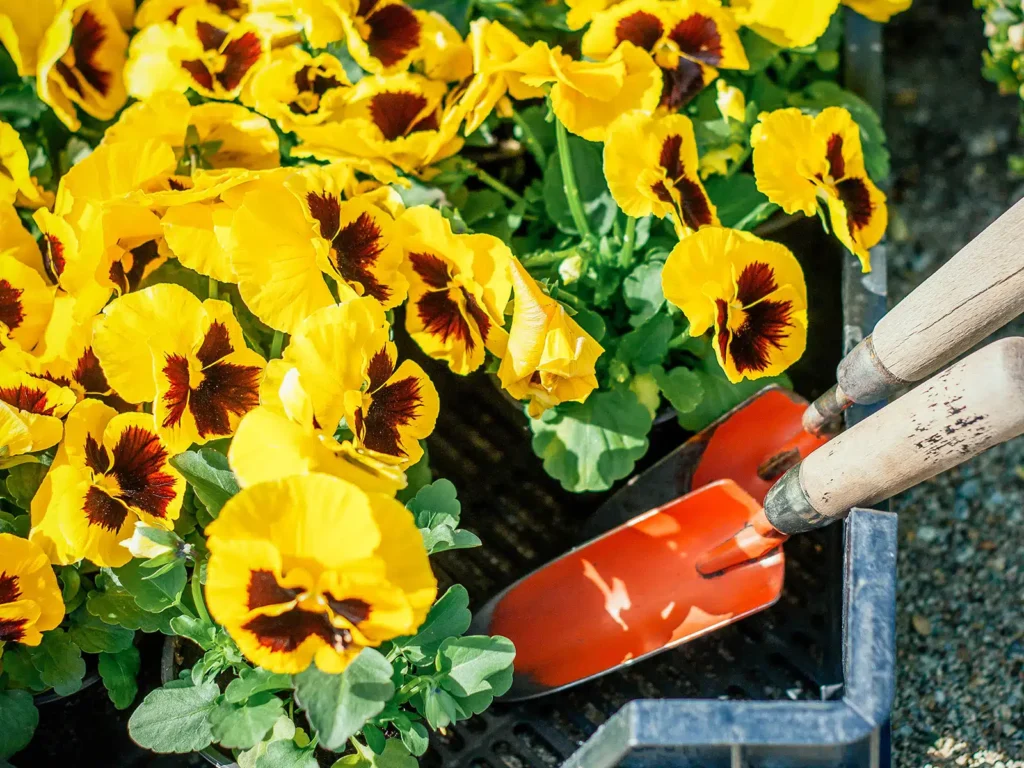
Ground cover plants are an essential part of landscape design in both the USA and the UK. These low-growing plants spread across the soil, creating a dense layer of foliage that helps reduce weeds, prevent soil erosion, and improve the overall appearance of gardens. Whether used beneath trees, along pathways, on slopes, or in flower beds, ground cover plants provide practical and decorative benefits throughout the year.
Table of Contents
ToggleMany gardeners choose ground covers because they require less maintenance than traditional lawns while adding texture, colour, and seasonal interest. From flowering varieties to evergreen foliage and shade-loving ferns, there are many types of ground cover suitable for different climates and growing conditions.
This article explores popular ground cover plants, fern varieties, growing conditions, landscaping uses, and why these plants continue to be an important feature in residential and public gardens.
What Are Ground Cover Plants?
Ground cover plants are low-growing plants that spread horizontally rather than vertically. Their dense growth covers bare soil, reducing the space available for weeds while protecting the ground from heavy rain and erosion.
Ground covers may be:
- Evergreen
- Deciduous
- Flowering
- Ferns
- Creeping shrubs
- Ornamental grasses
- Perennials
Unlike turf grass, many ground covers thrive in shaded areas where lawns struggle to grow.
Why Ground Cover Plants Are Popular
The popularity of ground cover plants has grown significantly among homeowners, landscapers, and public garden designers.
Some of the main benefits include:
- Weed suppression
- Soil erosion control
- Moisture retention
- Reduced lawn maintenance
- Improved biodiversity
- Attractive year-round foliage
- Habitat for beneficial insects
- Better soil protection
Because they spread naturally, many species gradually fill empty spaces without requiring constant planting.
Types of Ground Cover
There are many types of ground cover available for different environments. The best choice depends on sunlight, soil, moisture, and climate.
Major categories include:
Flowering Ground Covers
These provide colourful blooms throughout the growing season.
Popular examples include:
- Creeping Phlox
- Candytuft
- Bugleweed (Ajuga)
- Sweet Alyssum
- Creeping Thyme
Evergreen Ground Covers
Evergreen varieties maintain foliage throughout much of the year.
Common choices include:
- English Ivy
- Pachysandra
- Periwinkle (Vinca minor)
- Japanese Spurge
- Wintercreeper
These are often planted around buildings, under trees, and in shaded gardens.
Native Ground Covers
Native species support local wildlife and require fewer resources once established.
Examples vary between the USA and UK depending on regional ecosystems.
Fern Ground Covers
Ferns provide elegant texture without producing colourful flowers.
They thrive in woodland gardens and shaded landscapes.
Fern Ground Cover
A fern ground cover creates lush greenery in areas where many flowering plants struggle.
Unlike traditional flowering ground covers, ferns are valued for their delicate fronds, rich textures, and graceful appearance.
Fern ground covers are commonly planted in:
- Woodland gardens
- Shaded borders
- Under mature trees
- Damp garden corners
- Natural landscapes
They pair beautifully with hostas, heucheras, and woodland wildflowers.
Ferns for Ground Cover
Many gardeners search for the best ferns for ground cover because these plants thrive in difficult growing conditions.
Popular varieties include:
Christmas Fern (Polystichum acrostichoides)
Native to North America, this evergreen fern remains attractive throughout winter.
Lady Fern (Athyrium filix-femina)
Produces soft, feathery foliage suitable for moist woodland gardens.
Japanese Painted Fern (Athyrium niponicum)
Known for silver-grey leaves with purple highlights.
Ostrich Fern (Matteuccia struthiopteris)
Produces tall arching fronds that spread naturally over time.
Hay-scented Fern (Dennstaedtia punctilobula)
An excellent woodland ground cover that forms dense colonies.
These ferns provide attractive foliage without demanding extensive maintenance.
Fern-Like Ground Cover Plants
Some plants resemble ferns but belong to entirely different plant families.
Popular fern like ground cover plants include:
- Moss
- Clubmoss
- Selaginella
- Asparagus Fern
- Sweet Woodruff
- Artemisia
These plants create similar textures while growing under comparable conditions.
Popular Ground Cover Plants
Several species consistently rank among the most widely planted popular ground cover choices.
Creeping Thyme
Produces fragrant leaves and colourful flowers while tolerating foot traffic.
Irish Moss
Creates a dense carpet of bright green foliage.
Creeping Jenny
Known for its trailing golden leaves.
Sedum
Ideal for sunny, dry gardens.
Bugleweed
Offers colourful foliage and spring flowers.
Lamb’s Ear
Soft silver leaves create striking contrasts.
Blue Star Creeper
Produces tiny blue flowers across much of the growing season.
Periwinkle
Excellent for shaded slopes.
Pachysandra
Popular beneath mature trees.
Creeping Phlox
Forms vibrant spring displays.
Each species performs differently depending on sunlight and soil conditions.
Ground Cover Species for Different Conditions
Choosing suitable ground cover species depends on the planting location.
Full Sun
Plants suited to sunny locations include:
- Sedum
- Creeping Thyme
- Ice Plant
- Candytuft
- Creeping Phlox
Partial Shade
Excellent options include:
- Ajuga
- Heuchera
- Sweet Woodruff
- Coral Bells
Full Shade
Shade-loving choices include:
- Ferns
- Pachysandra
- Periwinkle
- Wild Ginger
- Foamflower
Wet Soil
Ground covers that tolerate moisture include:
- Marsh Marigold
- Golden Creeping Jenny
- Royal Fern
- Cinnamon Fern
Dry Soil
For drought-prone gardens:
- Sedum
- Creeping Thyme
- Rock Cress
- Lamb’s Ear
Ground Cover Plants for Slopes
Sloped gardens often experience soil erosion after heavy rain.
Ground cover plants help stabilise soil with extensive root systems.
Suitable choices include:
- Juniper
- Periwinkle
- Creeping Cotoneaster
- Bearberry
- Creeping Phlox
These plants reduce runoff while creating attractive hillside landscapes.
Ground Cover Around Trees
Growing plants beneath mature trees can be challenging because of shade and root competition.
Recommended choices include:
- Ferns
- Hostas
- Pachysandra
- Wild Ginger
- Sweet Woodruff
- Epimedium
These species tolerate lower light levels while improving otherwise bare ground.
Flowering Ground Covers
Flowering ground covers bring seasonal colour to landscapes while remaining relatively compact.
Popular flowering options include:
- Creeping Phlox
- Aubrieta
- Dianthus
- Bugleweed
- Sweet Alyssum
- Ice Plant
- Creeping Veronica
These plants attract pollinators including bees, butterflies, and hoverflies.
Evergreen Ground Cover Plants
Evergreen ground covers provide year-round interest even during winter.
Common examples include:
- Pachysandra
- English Ivy
- Juniper
- Periwinkle
- Cotoneaster
- Bearberry
Their persistent foliage keeps gardens looking attractive throughout every season.
Ground Cover Plants for Containers
Although commonly planted in the ground, some species also grow well in containers.
Suitable varieties include:
- Creeping Jenny
- Irish Moss
- Sedum
- Blue Star Creeper
- Thyme
These plants soften container edges with trailing growth.
Wildlife Benefits
Ground cover plants provide valuable habitat for wildlife.
Benefits include:
- Shelter for insects
- Nectar for pollinators
- Nesting materials
- Improved soil organisms
- Better moisture retention
Native species particularly support local ecosystems.
Low-Maintenance Landscaping
Many homeowners replace sections of lawn with ground covers to reduce maintenance.
Advantages include:
- Less mowing
- Reduced watering
- Fewer weeds
- Improved drought tolerance
- Long-lasting foliage
This approach is increasingly popular in sustainable landscape design.
Soil Preparation
Healthy soil encourages rapid establishment.
Before planting:
- Remove weeds.
- Improve drainage if necessary.
- Add compost.
- Loosen compacted soil.
- Apply mulch between young plants.
Proper preparation reduces competition during establishment.
Watering Requirements
Newly planted ground covers require consistent watering.
After establishment:
- Water during prolonged dry periods.
- Avoid waterlogging.
- Maintain even moisture for ferns.
- Reduce watering during dormant periods.
Different species have different moisture preferences.
Fertilising Ground Cover Plants
Most established ground covers require only light feeding.
Organic compost often provides sufficient nutrients.
Balanced fertiliser can be applied during spring if growth appears weak.
Excess fertiliser may encourage excessive leafy growth instead of flowers.
Seasonal Care
Spring
- Remove winter debris.
- Divide overcrowded plants.
- Apply compost.
- Replace damaged specimens.
Summer
- Water during drought.
- Monitor weeds.
- Trim spreading plants if necessary.
Autumn
- Plant new ground covers.
- Mulch before winter.
Winter
- Protect tender species from severe frost.
- Avoid walking on frozen plants.
Common Problems
Ground covers are generally reliable but may experience occasional issues.
These include:
Root Rot
Usually caused by poor drainage.
Powdery Mildew
Appears in humid conditions with poor airflow.
Aphids
Feed on new shoots.
Slugs and Snails
Especially common around moist fern plantings.
Regular monitoring keeps plants healthy.
Ground Cover Images and Garden Planning
Many gardeners look for ground cover images before choosing plants for their landscapes. Viewing different planting combinations helps visualise how colours, textures, and heights work together.
Garden centres, botanical gardens, and landscape design resources often display ground cover pictures showing mature plantings in woodland gardens, cottage landscapes, modern borders, and naturalised settings. These examples can inspire planting ideas while demonstrating how different species spread over time.
When reviewing pictures of ground cover, it is helpful to consider the mature size of each plant rather than its appearance at planting time. A small container-grown plant can expand significantly within a few growing seasons, creating a dense carpet that fills empty spaces naturally.
Ground Cover Plants in the USA and UK
Ground cover plants are widely used across both the USA and the UK, although suitable species vary by climate.
In the USA, gardeners often choose drought-tolerant plants such as Sedum, Creeping Thyme, Bearberry, and Juniper in warmer regions, while woodland gardens frequently feature native ferns, Wild Ginger, and Foamflower in cooler climates.
In the UK, moisture-loving species such as Pachysandra, Periwinkle, Sweet Woodruff, Irish Moss, and various ferns thrive in the country’s generally mild and damp conditions. Woodland gardens, estate landscapes, and cottage gardens commonly rely on these plants to provide year-round greenery.
Regardless of location, selecting plants suited to local weather, soil type, and sunlight exposure leads to healthier growth and lower maintenance.
Choosing the Right Ground Cover
The ideal ground cover depends on several factors:
- Available sunlight
- Soil drainage
- Local climate
- Garden size
- Desired appearance
- Maintenance preferences
- Wildlife value
Some gardeners prioritise flowers, while others prefer evergreen foliage or native species that support pollinators and biodiversity.
Combining several ground cover plants with shrubs, ornamental grasses, and perennials can create layered landscapes that remain attractive throughout every season.
Conclusion
Ground cover plants are among the most versatile additions to modern landscapes, offering beauty, functionality, and environmental benefits. Whether filling bare soil beneath trees, stabilising slopes, replacing traditional lawns, or adding texture to flower beds, these low-growing plants create healthy and visually appealing outdoor spaces.
With many types of ground cover available—including flowering varieties, evergreen species, and elegant fern ground cover options—gardeners in both the USA and the UK can find plants suited to almost any condition. Understanding different ground cover species, exploring ferns for ground cover, and reviewing ground cover images or ground cover pictures before planting can help create balanced and long-lasting landscape designs.
From colourful Creeping Phlox and fragrant Creeping Thyme to lush woodland ferns and shade-tolerant Pachysandra, ground cover plants continue to play an important role in sustainable gardening. Their ability to reduce weeds, protect soil, support wildlife, and provide year-round interest makes them a valuable choice for gardens of every size and style.