Air quality has become a major environmental concern across the United States. Urban areas with heavy traffic often experience pollution caused by vehicle emissions, industrial activity, and environmental conditions. One of the most effective regulatory approaches used to control vehicle-related pollution is smog testing, also known as a smog check or smog inspection.
Smog testing programs are designed to ensure that vehicles operate within acceptable emission standards. These inspections evaluate how much pollution a car produces and determine whether it meets environmental regulations. Many states require periodic testing to help reduce harmful pollutants in the air.
Understanding what a smog test is and why it matters can help drivers maintain compliance with state laws while also contributing to improved air quality.
What Is Smog?

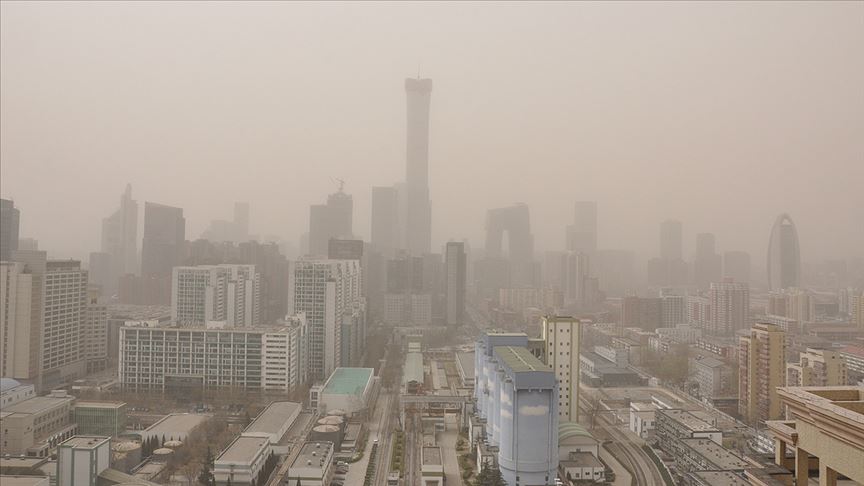
The term smog refers to a mixture of air pollutants that form when emissions from vehicles and industrial sources react with sunlight in the atmosphere. The word itself originated from combining smoke and fog, which accurately describes the hazy conditions created by pollution.
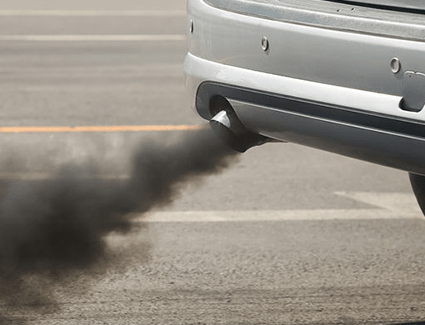
Vehicle emissions are a major contributor to smog formation. Engines burn fuel to produce power, but the combustion process also releases pollutants such as:
-
Carbon monoxide
-
Nitrogen oxides
-
Hydrocarbons
-
Particulate matter
These pollutants interact with sunlight and atmospheric chemicals to produce smog, which can negatively affect both human health and the environment.
Government agencies such as the United States Environmental Protection Agency monitor and regulate emissions to reduce the impact of smog on communities.
What Is a Smog Test?
A smog test is a vehicle emissions inspection that measures the amount of pollutants released from a car’s exhaust system. The purpose of this test is to determine whether the vehicle meets the emission standards established by environmental authorities.
When drivers ask questions like what is a smog test or what is smog check, they are referring to the same basic process: evaluating a vehicle’s emissions system to ensure it is functioning properly.
During a smog inspection, technicians check several components of the vehicle, including:
-
The exhaust emissions output
-
The onboard diagnostic system
-
The fuel system
-
The emissions control components
These tests help determine whether a vehicle is producing excessive pollution.
If a vehicle passes the inspection, it is considered a smogged car, meaning it has met the emission requirements for that testing period.
Why Smog Checks Are Required in the United States


Smog checks are required in many U.S. states as part of environmental protection programs. These regulations were introduced to address rising levels of air pollution caused by increasing vehicle usage.
One important historical milestone in air pollution control was the Clean Air Act, which established federal standards for controlling emissions from vehicles and industrial sources.
States implement smog testing programs to comply with these regulations and improve local air quality. Some states with well-known emissions testing programs include:
-
California
-
Texas
-
Arizona
-
Nevada
In regions with higher pollution levels, smog inspections may be required every one or two years as part of vehicle registration.
What Happens During a Smog Inspection
A typical smog inspection involves several diagnostic procedures that evaluate the emissions performance of a vehicle.
Visual Inspection
Technicians first check whether emissions-related components are present and properly connected. This may include examining parts such as:
-
Catalytic converters
-
Vacuum hoses
-
Exhaust system components
Onboard Diagnostics Check
Modern vehicles use an electronic monitoring system called On-Board Diagnostics II (OBD-II). This system continuously monitors engine performance and emissions control systems.
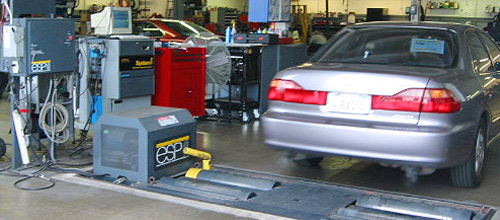
During a smog test, technicians connect a diagnostic scanner to the vehicle’s OBD-II port to check for stored error codes related to emissions.
Tailpipe Emissions Test
For some vehicles, technicians measure the amount of pollutants released through the exhaust pipe while the engine is running.
The testing equipment analyzes exhaust gases and determines whether the emissions exceed allowed limits.
Types of Vehicles That Need Smog Testing
Not all vehicles are required to undergo smog inspections. Requirements vary by state and vehicle type.
Generally, smog testing applies to:
-
Passenger cars
-
Light trucks
-
SUVs
-
Some commercial vehicles
However, certain vehicles may be exempt, including:
-
New vehicles within their first few years of registration
-
Electric vehicles
-
Some classic or historic cars
-
Vehicles with alternative fuel systems
State regulations determine the exact requirements and exemptions.
How Smog Tests Help Protect the Environment
Smog testing programs contribute to environmental protection in several ways.
Reducing Air Pollution
By identifying vehicles with excessive emissions, smog checks encourage repairs that reduce harmful pollutants.
Improving Public Health
Air pollution from vehicle emissions can cause respiratory problems, cardiovascular issues, and other health concerns. Lower emission levels help reduce these risks.
Supporting Environmental Regulations
Smog testing ensures compliance with emission standards established by federal and state agencies.
These programs play an important role in maintaining healthier air quality across urban and suburban communities.
Common Reasons Vehicles Fail a Smog Check
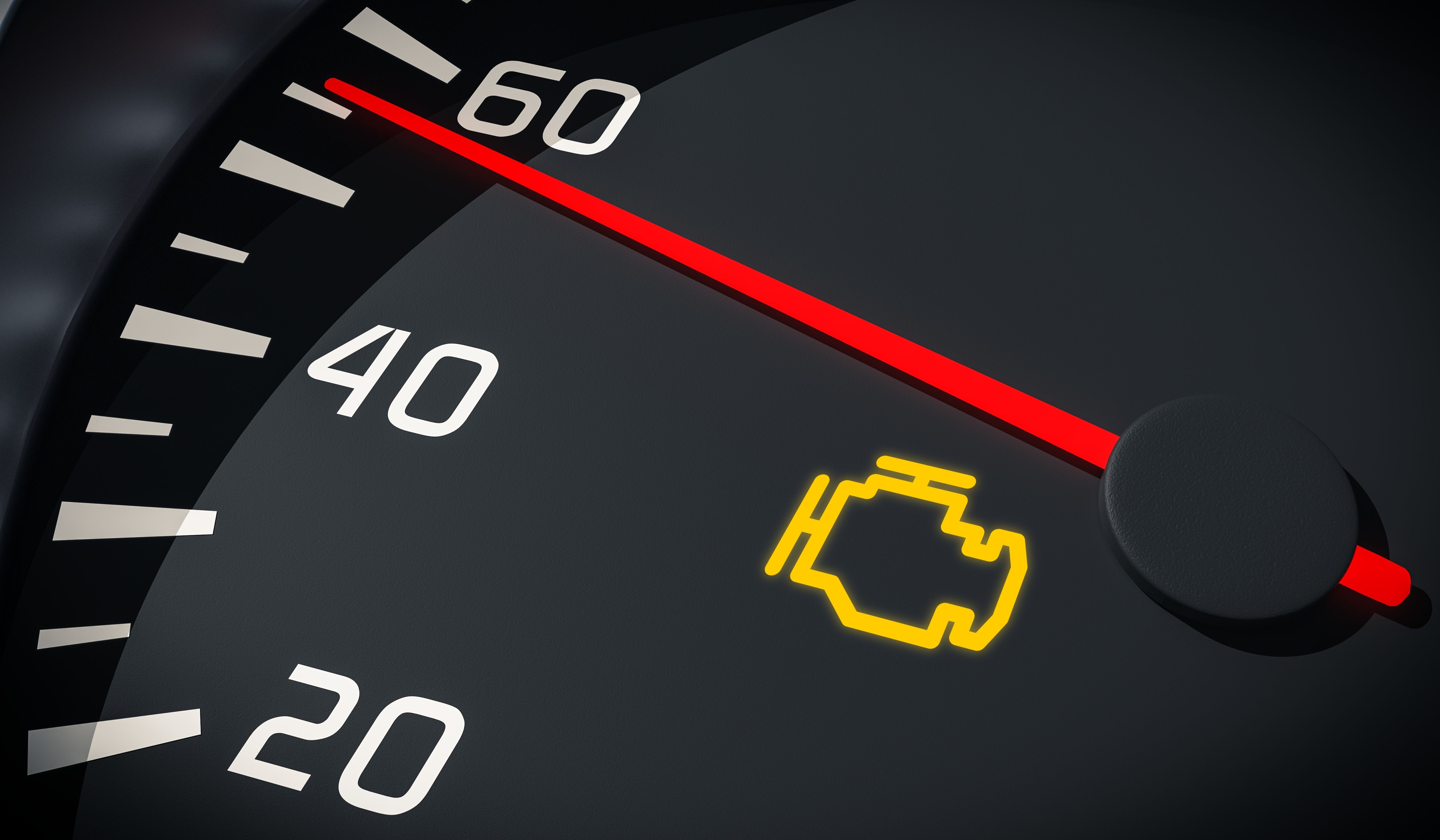
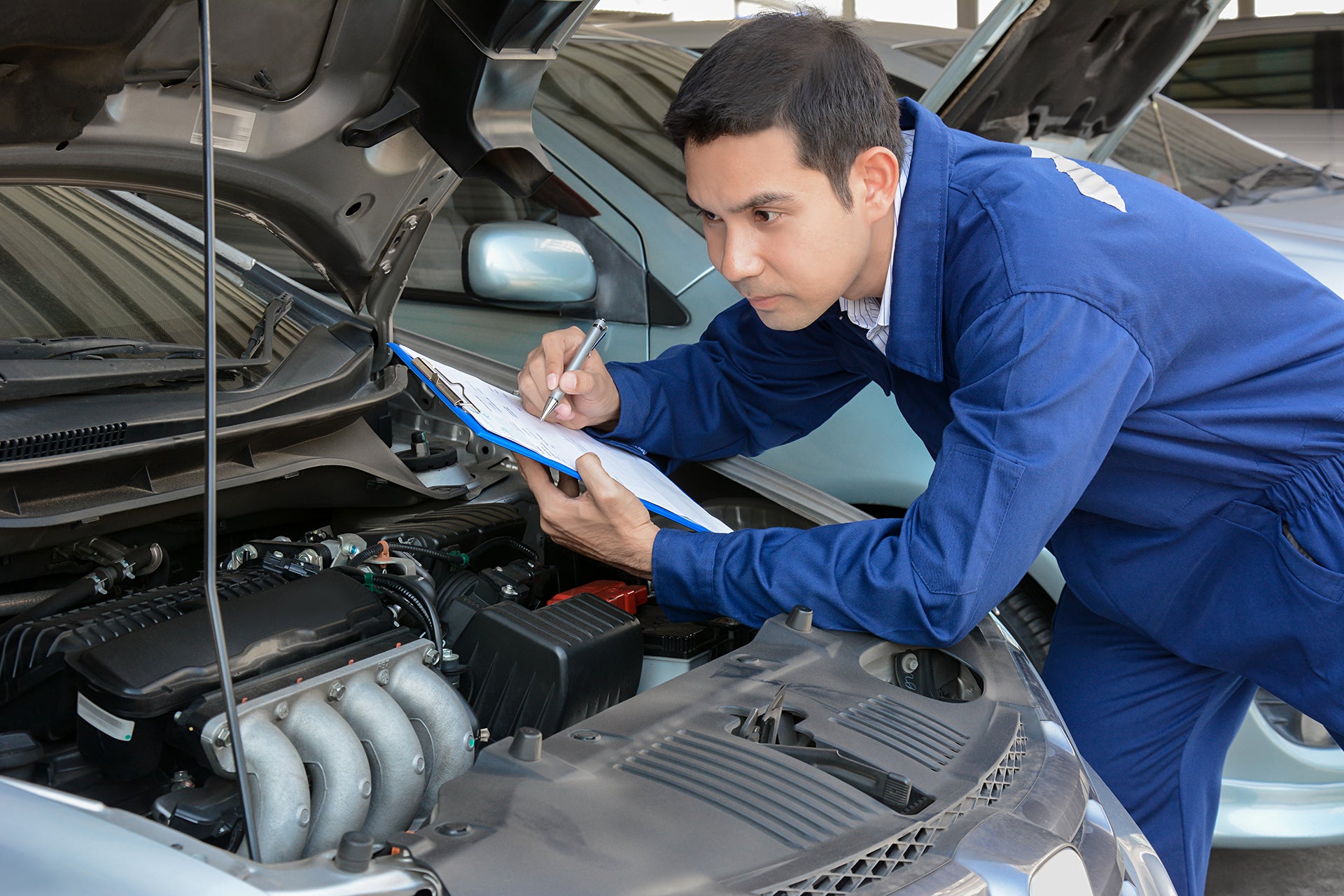
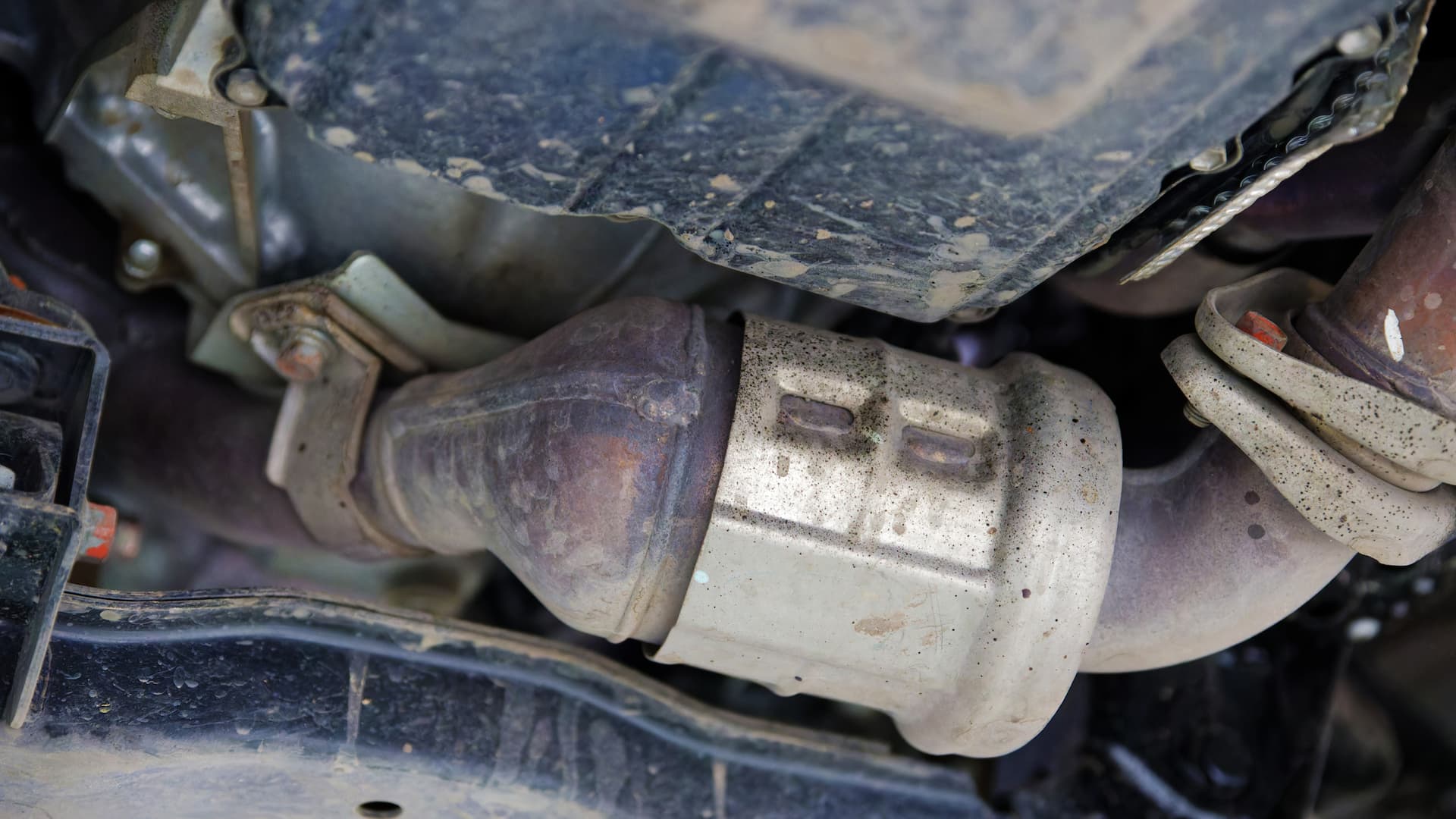
A vehicle may fail a smog inspection if its emissions exceed allowable limits or if its emissions control systems are malfunctioning.
Some common reasons include:
Faulty Oxygen Sensors
Oxygen sensors monitor the amount of oxygen in the exhaust system. If they fail, the engine may produce higher emissions.
Malfunctioning Catalytic Converter
The Catalytic Converter is responsible for converting harmful gases into less harmful substances. Damage to this component often causes smog test failure.
Check Engine Light
If the check engine light is illuminated, the vehicle may automatically fail the inspection because it indicates a potential emissions problem.
Engine Performance Issues
Poor engine performance, misfires, or fuel system problems can increase emissions and lead to a failed test.
What Happens if a Vehicle Fails a Smog Test
When a vehicle fails a smog inspection, the owner usually receives a report explaining which components caused the failure.
In most cases, the vehicle must be repaired and retested before it can be registered or legally driven in certain areas.
Repairing emissions-related components typically resolves the issue. Once the necessary repairs are completed, the vehicle can return for a follow-up inspection.
Some states offer repair assistance programs for qualifying vehicle owners to help cover the cost of emissions-related repairs.
Maintaining a Smog-Compliant Vehicle
Keeping a vehicle in good mechanical condition can help ensure it passes smog inspections.
Routine maintenance tasks that support emission control include:
-
Regular oil changes
-
Replacing air filters
-
Maintaining spark plugs
-
Checking the fuel system
-
Monitoring warning lights
These maintenance practices not only reduce emissions but also improve engine efficiency and vehicle reliability.
Differences Between Smog Tests and Safety Inspections
Although smog inspections and safety inspections may occur at the same facility, they serve different purposes.
A smog test focuses specifically on emissions and environmental compliance. A safety inspection, on the other hand, evaluates components related to road safety, such as:
-
Brakes
-
Tires
-
Lights
-
Steering systems
Both inspections contribute to safer and more environmentally responsible transportation.
The Role of Automotive Technology in Reducing Smog
Modern vehicles use advanced technologies to minimize emissions and reduce smog formation.
Many engines now include systems such as:
-
Electronic fuel injection
-
Exhaust gas recirculation systems
-
Advanced catalytic converters
-
Hybrid and electric powertrains
Automakers such as Ford Motor Company, General Motors, and Toyota Motor Corporation invest heavily in research to improve fuel efficiency and reduce emissions.
These technologies help vehicles meet increasingly strict environmental standards while maintaining performance.
The Future of Smog Testing
As environmental regulations evolve, smog testing programs continue to adapt to new technologies and vehicle designs.
Electric vehicles and hybrid powertrains produce significantly fewer emissions than traditional gasoline-powered vehicles. As these technologies become more widespread, emissions testing programs may gradually change to reflect the shifting automotive landscape.
However, for the millions of gasoline-powered vehicles currently on American roads, smog inspections remain an important part of environmental protection efforts.
Conclusion
Smog testing plays a critical role in managing vehicle emissions and protecting air quality in the United States. By evaluating how much pollution a car produces, smog inspections help ensure that vehicles comply with environmental regulations.
Understanding what a smog test is and why it matters allows drivers to appreciate the broader impact of emissions control programs. These inspections identify vehicles that produce excessive pollution and encourage necessary repairs that improve air quality.
Through a combination of environmental regulations, advanced automotive technology, and routine smog inspections, the United States continues working toward cleaner air and healthier communities.