The hickory tree is one of the most durable and ecologically significant hardwood trees in North America. Known for strong timber, edible nuts, and distinctive bark, hickory trees are a defining feature of many forests in the United States. Although less common in the United Kingdom, certain species and related trees are cultivated in parks, estates, and botanical collections.
Table of Contents
ToggleMany people search terms like hickory nut tree, hickory tree characteristics, hickory tree leaf, hickory tree bark, or even misspellings such as hicory tree or hickory tress. This article explains what hickory is, its botanical classification, identifying features, major species, and its importance in forestry and ecology.
What Is Hickory? Definition of Hickory
The definition of hickory refers to a group of deciduous hardwood trees belonging to the genus Carya in the walnut family (Juglandaceae). The name “hickory” comes from a Native American word historically used to describe nut oils extracted from the tree.
In botanical terms:
-
Genus: Carya
-
Family: Juglandaceae
-
Type: Deciduous hardwood
-
Native range: Primarily North America, with some species in East Asia
When people ask “what is hickory,” they are typically referring to either the tree itself or the wood derived from it. Hickory wood is dense, shock-resistant, and widely used in tool handles, flooring, furniture, and smoking meats.
Hickory Tree Characteristics


Hickory tree characteristics make it relatively easy to identify compared to many other deciduous trees.
1. Height and Structure
Most hickory trees grow between 60 and 100 feet tall. Some species can exceed this height in optimal conditions. The trunk is typically straight and tall, forming a high canopy in forest settings.
2. Growth Rate
Hickories grow slowly to moderately. This slower growth contributes to their extremely dense and strong wood.
3. Lifespan
Many hickory trees can live for 200 years or more when undisturbed.
4. Seasonal Appearance
-
Spring: Bright green compound leaves emerge.
-
Summer: Dense canopy provides heavy shade.
-
Autumn: Leaves turn golden yellow or bronze.
-
Winter: Bare branches highlight textured bark.
Hickory Tree Leaf Identification
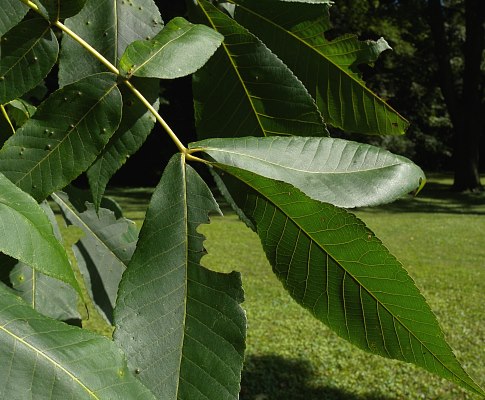


The hickory tree leaf is one of the most distinctive identification features.
Leaf Structure
Hickory leaves are:
-
Compound (multiple leaflets attached to one central stem)
-
Typically 5 to 9 leaflets per leaf
-
Serrated (toothed) edges
-
Alternately arranged on branches
The central leaflet is usually the largest. In autumn, leaves often turn yellow before falling.
If comparing with oak or maple, the compound leaflet structure clearly distinguishes hickory from simple-leaf trees.
Hickory Tree Bark
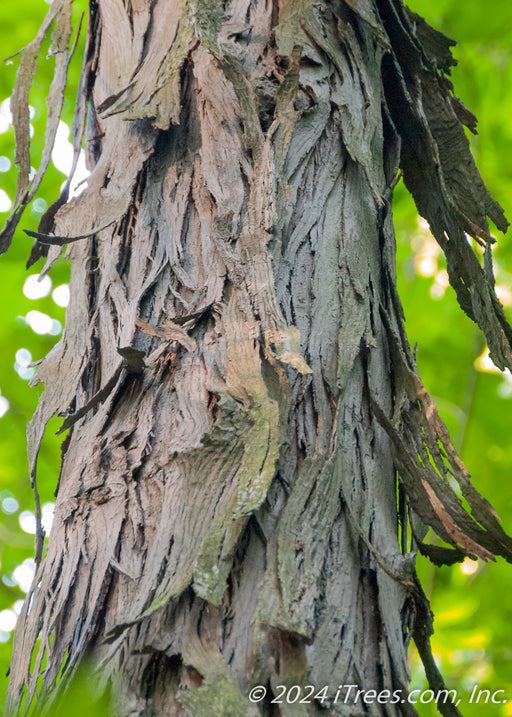


Hickory tree bark varies significantly by species, but it often appears gray to dark brown.
Common Bark Features
-
Deep vertical ridges
-
Thick, rough texture
-
Peeling strips in some species
-
Furrowed appearance
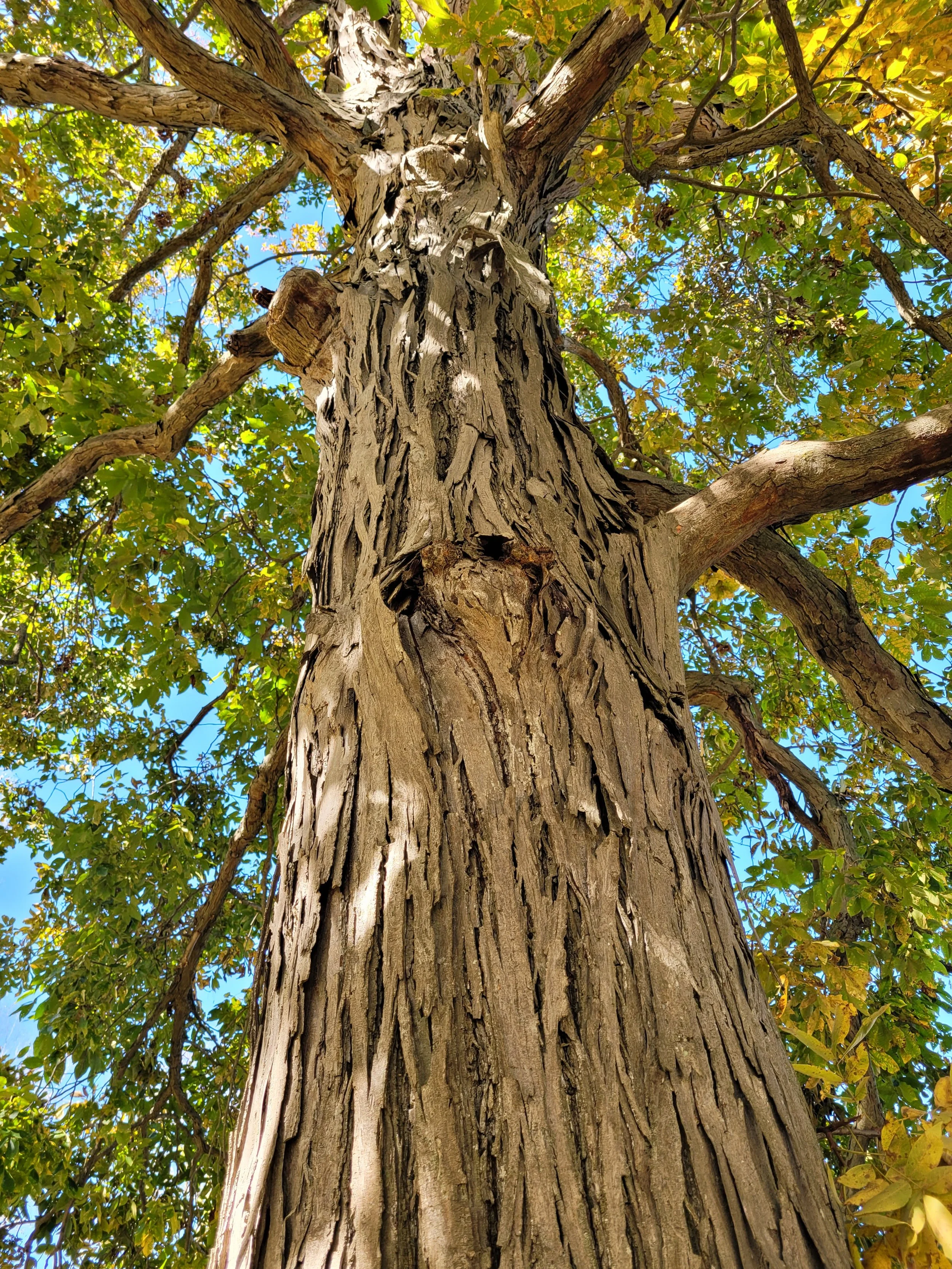
One of the most recognizable examples is the shagbark hickory, where long strips of bark peel away from the trunk.
The bark protects the tree from environmental stress and contributes to its fire tolerance in some woodland ecosystems.
Hickory Nut Tree: Fruit and Seeds


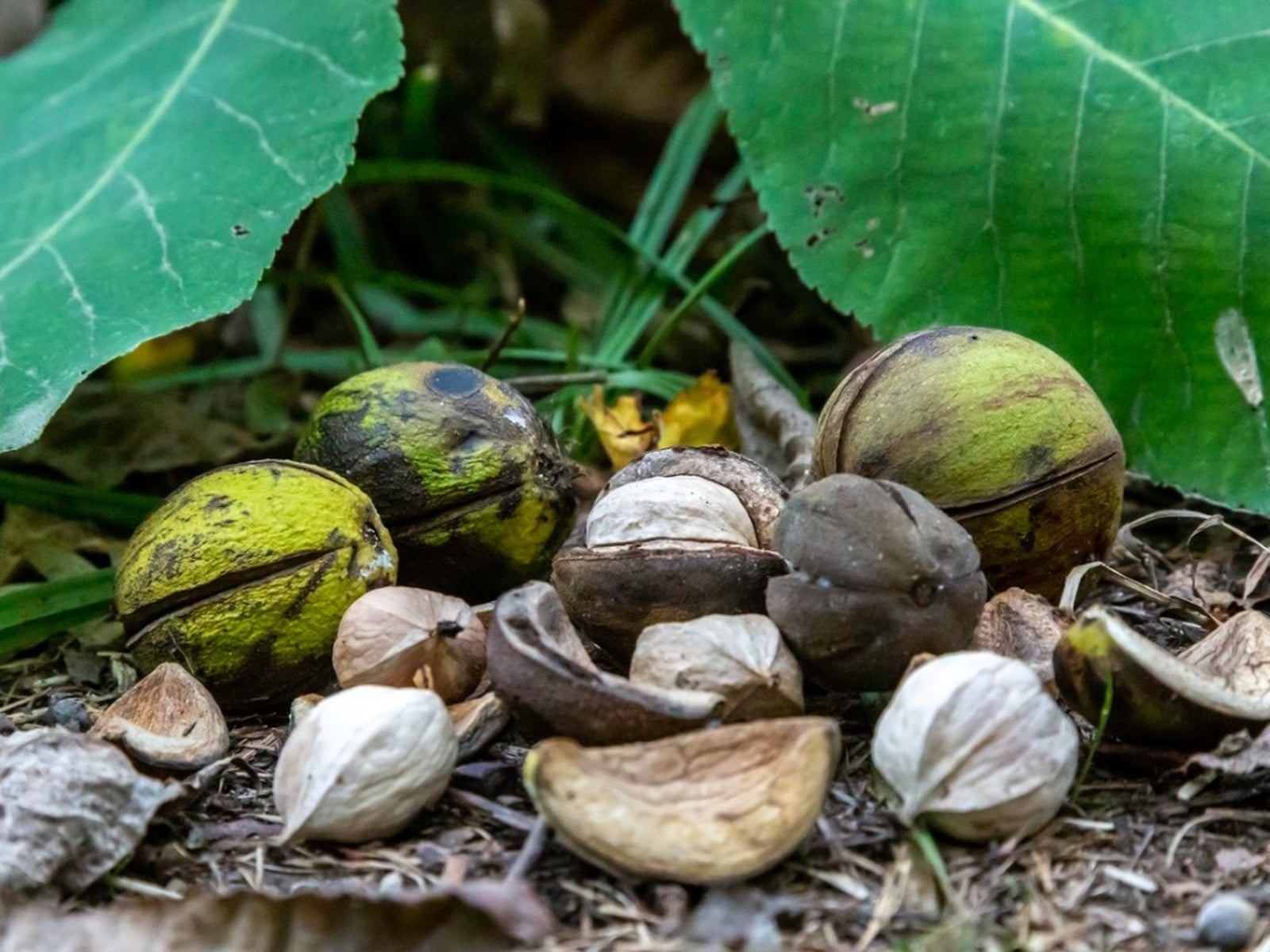
The term hickory nut tree refers to hickory species that produce edible nuts.
Nut Characteristics
-
Hard outer husk
-
Woody shell inside
-
Sweet or mildly bitter kernel
-
Ripen in autumn
Some species produce high-quality edible nuts similar to pecans. Wildlife such as squirrels, deer, and birds rely heavily on hickory nuts for food.
The nut plays a major ecological role in forest regeneration and wildlife support.
Major Hickory Tree Species in the United States
There are approximately 18 recognized hickory tree species worldwide, with most found in North America.
1. Shagbark Hickory (Carya ovata)


One of the most recognizable hickories due to its peeling bark. Found widely in states such as Ohio and Pennsylvania.
2. Shellbark Hickory (Carya laciniosa)

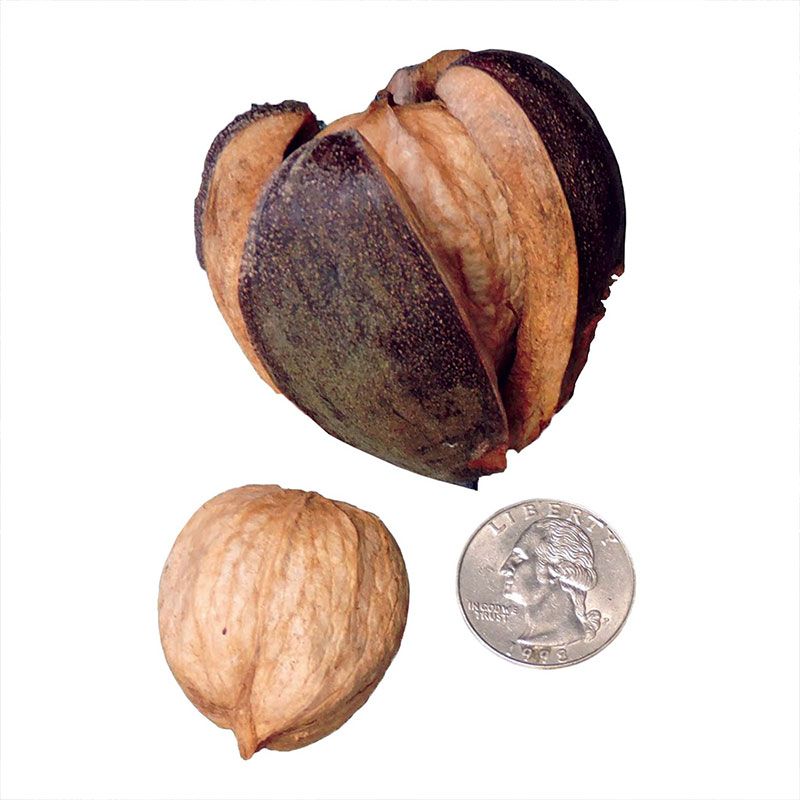
Produces large nuts and thrives in moist bottomland soils.
3. Pignut Hickory (Carya glabra)

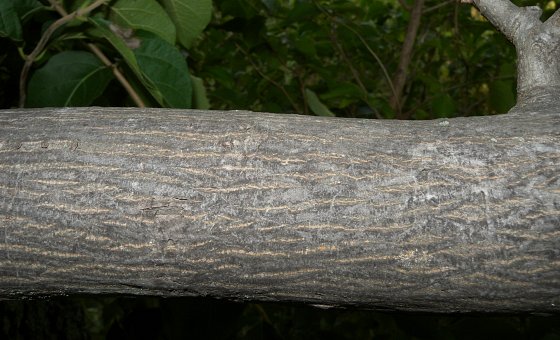

Has smoother bark when young and smaller nuts.
4. Mockernut Hickory (Carya tomentosa)


Common in southeastern forests, including regions like Georgia and North Carolina.
Hickory in the United Kingdom
True hickory trees are not native to the United Kingdom. However, some species are planted in arboretums and managed estates. Botanical institutions such as Royal Botanic Gardens, Kew maintain collections of non-native tree species for study and conservation.
Hickories prefer continental climates with warm summers and cold winters. Some areas of southern England may support limited growth under favorable soil conditions.
Wood Properties and Uses
Hickory wood is among the hardest commercial hardwoods in North America.
Physical Properties
-
High density
-
Excellent shock resistance
-
Strong grain structure
-
Durable under heavy impact
Because of these characteristics, hickory wood is used for:
-
Tool handles (axes, hammers)
-
Sporting goods
-
Flooring
-
Cabinetry
-
Barbecue smoking wood
The strong aroma released when burned makes hickory chips popular in outdoor cooking across the United States.
Ecological Importance of Hickory Trees
Hickory trees contribute significantly to forest ecosystems.
Wildlife Habitat
-
Nuts feed squirrels, turkeys, and deer
-
Cavities provide nesting sites
-
Canopy offers shade and microclimate regulation
Soil and Forest Health
Deep root systems help stabilize soil and improve nutrient cycling. Fallen leaves decompose and enrich woodland soil with organic matter.
Mixed hardwood forests across the eastern United States often contain oak-hickory associations, forming stable ecosystems.
Growing Conditions for Hickory Trees
Soil
-
Well-drained loam preferred
-
Tolerates clay in some species
-
Slightly acidic to neutral pH
Sunlight
Full sun is required for optimal growth.
Water
Young trees require consistent moisture. Mature hickories are moderately drought tolerant.
Because of their deep taproots, transplanting mature hickory trees is difficult.
Differences Between Hickory and Walnut Trees
Since hickory belongs to the walnut family, confusion is common.
Key differences:
-
Hickory nuts typically have thicker shells.
-
Walnut husks are often smoother and rounder.
-
Hickory wood is generally harder and more shock-resistant.
Leaf shape and bark texture also vary by species.
Common Misidentifications
Misspellings such as hicory tree or hickory tress are common online. Additionally, people sometimes confuse hickory with:
-
Ash trees (due to compound leaves)
-
Walnut trees
-
Pecan trees (which are closely related within Carya)
Careful observation of bark texture and nut shape helps confirm identification.
Urban and Landscape Use
While hickory trees are impressive, they are not commonly used as street trees because:
-
They grow large
-
They produce heavy nuts
-
They have deep taproots
However, they are valuable in large rural properties and conservation plantings.
Long-Term Value of Hickory Trees
The hickory tree represents durability, ecological balance, and hardwood strength. From forest ecosystems in the eastern United States to curated botanical collections in the United Kingdom, hickories remain a tree of structural importance.
Understanding hickory tree species, leaf structure, bark texture, and nut production helps landowners, gardeners, and forestry professionals make informed decisions about planting and management.
Whether examining the definition of hickory, identifying a mature trunk in woodland, or studying the hickory nut tree for ecological benefits, this hardwood genus plays a lasting role in temperate forest landscapes.
With proper conditions and space, hickory trees can thrive for generations, contributing shade, habitat, and strong timber to future landscapes.