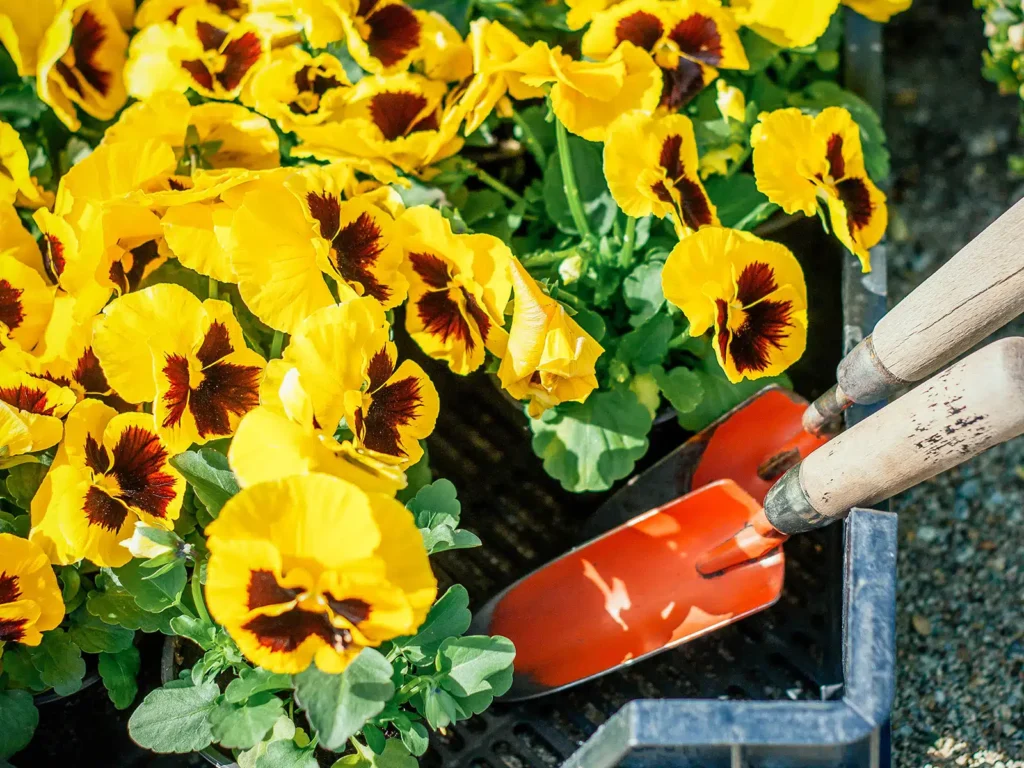
Sweet pea, often written as sweet pea or sweetpea, is one of the most loved flowering plants in gardens across the UK and USA. Known for its soft petals, climbing habit, and gentle fragrance, the sweet pea flower has remained popular for generations. Gardeners value sweet peas for their colour range, delicate appearance, and ability to brighten fences, trellises, and borders. Beyond gardens, sweet pea blossoms also appear in art, literature, and floral arrangements, showing how deeply this plant is woven into everyday life.
Sweet peas are not just pretty flowers. They represent a long history of cultivation, hybrid breeding, and cultural symbolism. From cottage gardens in England to backyard landscapes in America, sweet pea flowers hold a unique place among ornamental plants. Their beauty is subtle rather than bold, and their scent is often described as nostalgic or calming.
Botanical Background of Sweet Pea
Sweet pea belongs to the genus Lathyrus, with the most recognised species being Lathyrus odoratus. The term “odoratus” refers to its fragrance, which is one of its defining traits. Unlike edible garden peas, sweet peas are ornamental and grown mainly for their blooms.
Sweet pea vines are climbing plants. They use tendrils to grip onto supports such as strings, nets, or trellises. A healthy sweet pea vine can reach heights of 6 to 8 feet under the right conditions. The stems are slender but strong enough to carry clusters of blossoms.
Sweet pea flowers usually bloom in clusters. Each stem can carry multiple blooms, creating a soft, layered look. The petals have a butterfly-like shape, common to many legumes. This structure gives sweet peas their graceful form.
The plant is typically grown as an annual in many regions of the UK and USA, although in some mild climates it may behave like a short-lived perennial. Gardeners often sow seeds yearly to ensure strong flowering.
Appearance and Colour Diversity
One reason sweet peas remain popular is their colour diversity. Sweet pea flowers come in:
-
Pastel pink
-
Deep purple
-
Creamy white
-
Lavender
-
Red and maroon shades
-
Bi-colour patterns
-
Soft blues
Modern hybrids offer even more variation. Some sweet peas have ruffled petals, while others have smoother edges. This diversity allows gardeners to create colour themes in landscapes or floral displays.
Sweet pea blossoms are often described as romantic flowers. Their soft look makes them suitable for weddings, spring events, and bouquet arrangements. Florists in both the UK and USA frequently use sweet peas for their gentle charm.
Fragrance and Sensory Appeal
The scent of sweet pea is a key feature. Many people associate the smell of sweet peas with spring and early summer. The fragrance is light, slightly sweet, and not overpowering. It is often compared to honey or orange blossom.
Not all modern varieties are equally fragrant. Some breeding efforts have focused on colour and size rather than scent. However, traditional and heritage varieties usually retain a stronger perfume.
Because of their scent, sweet pea flowers are sometimes used in perfumes and scented products. The aroma is considered soothing and fresh, making it appealing in home environments.
Historical Journey of Sweet Peas
Sweet peas have a rich history. The plant is believed to have originated in the Mediterranean region. It became especially popular in Europe during the 17th and 18th centuries. By the Victorian era, sweet peas were widely cultivated in British gardens.
Victorian gardeners admired sweet peas for their elegance and fragrance. Flower shows and competitions often featured sweet pea varieties. This culture of exhibition helped encourage the development of new hybrids.
As gardening traditions travelled to North America, sweet peas gained popularity in the USA as well. They became a staple in home gardens, especially in regions with cooler springs and moderate summers.
Today, sweet peas are grown worldwide, but they remain strongly associated with classic English gardens and traditional American flower beds.
Symbolism and Cultural Meaning
Sweet pea carries symbolic meanings. In the language of flowers, sweet peas often represent:
-
Gratitude
-
Pleasant memories
-
Farewell or good wishes
-
Delicate pleasure
Because of these meanings, sweet pea blossoms are sometimes included in farewell bouquets or thank-you arrangements. Their symbolism is gentle rather than dramatic, matching their visual style.
In literature and art, sweet peas often symbolise youth, innocence, or fleeting beauty. Their relatively short blooming season adds to this idea of temporary charm.
Sweet Pea in Home Gardens
Sweet peas are commonly found in residential gardens across the UK and USA. Gardeners appreciate them for vertical interest. A sweet pea vine can turn a plain fence into a colourful wall of blooms.
They are often planted along:
-
Garden fences
-
Archways
-
Pergolas
-
Balcony railings
-
Cottage-style borders
Sweet peas also suit smaller spaces. Even urban gardeners grow sweet peas in containers or balcony pots with support structures. This flexibility adds to their appeal.
Their long stems make them ideal for cutting. Many gardeners grow sweet peas specifically as cut flowers for indoor vases. Regular picking can even encourage more blooms.
Seasonal Presence
Sweet peas are strongly associated with spring and early summer. In the UK, they often start blooming in late spring and continue into summer. In many parts of the USA, bloom time depends on local climate.
They prefer cooler conditions compared to many summer flowers. Extremely hot weather can shorten their blooming period. For this reason, sweet peas are especially valued in regions with mild summers.
Their seasonal nature adds to their charm. The arrival of sweet pea flowers often signals the transition from spring to summer.
Varieties and Hybrids
There are many types of sweet peas available today. Plant breeders have developed varieties for different colours, sizes, and growth habits.
Common categories include:
Grandiflora Types
These are closer to older, traditional sweet peas. They often have strong fragrance and smaller flowers.
Spencer Types
Known for large, ruffled blooms and long stems. Popular for floral arrangements.
Dwarf Varieties
Compact plants suitable for containers and small gardens.
Modern Hybrids
Bred for colour range, disease resistance, and bloom size.
Each type has its own appeal. Some gardeners prefer heritage varieties for scent, while others choose modern hybrids for visual impact.
Sweet Peas in Floral Design
Sweet pea flowers are widely used in floral design. Their soft petals and pastel shades make them suitable for elegant arrangements. They blend well with roses, peonies, and other seasonal blooms.
In weddings, sweet peas often appear in bouquets and table décor. Their fragrance adds a subtle sensory layer to events.
Florists appreciate sweet peas for their stem length and graceful droop. Even a simple vase of sweet peas can look refined.
Ecological Role
Sweet pea flowers can attract pollinators such as bees and butterflies. Their nectar and pollen provide food sources for these insects.
However, sweet peas are not native to many areas where they are grown. They are usually cultivated as ornamental plants rather than wildflowers. Still, they contribute to garden biodiversity.
Their presence in mixed gardens can support pollinator-friendly environments when combined with native plants.
Differences from Edible Peas
It is important to distinguish sweet peas from edible peas. While they belong to the legume family, sweet peas are ornamental. Their seeds and pods are not meant for eating.
Some species in the Lathyrus genus can be toxic if consumed in large quantities. This is why sweet peas are grown for decoration rather than food.
Gardeners usually treat them purely as flowering plants.
Popularity in the UK and USA
In the UK, sweet peas are strongly linked to traditional gardening culture. Many gardeners grow them annually, and sweet pea shows still take place in some areas. Their association with cottage gardens keeps them relevant.
In the USA, sweet peas are common in regions with suitable climates. They are especially appreciated in northern states and coastal areas where summers are not extremely hot.
Social media and gardening communities have also helped maintain interest in sweet pea flowers. Photos of colourful sweet pea blossoms often appear in garden inspiration posts.
Visual Character in Landscapes
Sweet pea vines add a soft, natural look to landscapes. Unlike bold tropical flowers, sweet peas create a gentle and classic aesthetic. They pair well with informal garden designs.
Their climbing habit allows vertical layering in gardens. This can make small spaces feel fuller and more dynamic.
Designers sometimes use sweet peas in heritage-style or English-inspired landscapes to create a timeless feel.
Emotional Connection
Many people have emotional memories linked to sweet peas. Some remember them from grandparents’ gardens or childhood homes. Their scent can trigger nostalgia.
Because they bloom for a limited time, sweet peas remind people to enjoy seasonal beauty. This emotional connection helps keep them popular even as gardening trends change.
Modern Relevance
Despite the rise of exotic ornamental plants, sweet peas remain relevant. Their simplicity fits well with current interests in natural, cottage-style, and pollinator-friendly gardens.
They are also photogenic, which suits the digital age. Gardeners enjoy sharing images of sweet pea flowers online.
Seed companies in both the UK and USA continue to offer new varieties, showing steady demand.
Conclusion
Sweet pea, sweet pea flowers, and sweet pea vines hold a lasting place in ornamental gardening. Their fragrance, colour range, and graceful form make them special among flowering plants. From historical gardens to modern balconies, sweet peas continue to charm gardeners and flower lovers alike.
They are not just decorative blooms but plants tied to memory, culture, and seasonal rhythms. Whether seen climbing a trellis, arranged in a vase, or remembered from a childhood garden, sweet pea blossoms carry a quiet elegance that remains meaningful today.