Metal roofing has become a well-established part of residential and commercial construction across the USA and the UK. Once associated mainly with agricultural or industrial buildings, metal roofs are now commonly installed on homes, apartment buildings, retail units, and public facilities. This shift has increased demand for skilled metal roofers, specialised metal roofing contractors, and professional metal roof installers who understand both traditional roofing principles and modern metal systems.
Table of Contents
Toggle
This article explores the role of metal roofers, the work carried out by metal roofing contractors, and how steel, tin, and other metal roofing systems are used in contemporary building projects. It also explains what to expect from metal roofing companies, how local installers operate, and why professional expertise matters in this sector.
Understanding the Work of Metal Roofers
Metal roofers are tradespeople who specialise in installing, repairing, and maintaining roofs made from metal materials. Their work differs from that of general roofers because metal roofing systems require specific tools, techniques, and knowledge of thermal movement, fastening systems, and weatherproofing.
Unlike asphalt or tile roofing, metal panels expand and contract with temperature changes. Skilled metal roofers must account for this movement to prevent warping, fastener failure, or leaks. This technical requirement is one reason why many property owners look specifically for metal roofers near them rather than relying on general roofing services.
What Metal Roofing Contractors Do
Metal roofing contractors typically manage larger or more complex projects than individual roofers. A metal roofing contractor may oversee planning, material selection, installation crews, safety compliance, and coordination with other construction professionals.
In both the UK and the USA, metal roofing contractors often work with:
-
Residential homeowners
-
Commercial property owners
-
Builders and developers
-
Architects and surveyors
Many steel roofing contractors near residential areas focus on long-term roofing solutions designed to meet modern building standards and energy-efficiency expectations.
Common Types of Metal Roofing Systems
Metal roofing contractors work with a variety of materials and profiles. Each system has different structural and visual characteristics, which influence installation methods and long-term performance.
Steel Roofing
Steel is one of the most widely used materials in metal roofing. It is commonly coated with zinc or aluminium alloys to improve corrosion resistance. Steel roofing contractors often install steel panels on residential homes due to their strength and relatively lightweight nature.
Tin Roofing
Although the term “tin roofing” is still widely used, modern tin roofing contractors typically work with steel or aluminium products rather than pure tin. The name remains as a traditional reference, especially in rural or historic contexts.
Aluminium Roofing
Aluminium is valued for its resistance to corrosion, particularly in coastal areas. Metal roof installers working near saltwater environments often recommend aluminium systems due to their durability in harsh conditions.
Standing Seam Panels
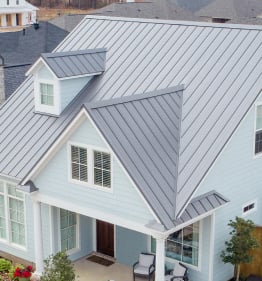
Standing seam systems are a common choice for modern architecture. These panels feature raised seams that conceal fasteners, reducing the risk of water penetration. Metal roof installers require precise measurements and specialised equipment to install these systems correctly.
Metal Roofing in Residential Construction
In residential settings, metal roofing is often selected for its longevity and clean appearance. Homeowners in both the UK and USA increasingly view metal roofs as a long-term investment rather than a short-term covering.
![Upgrade Your Roof with Metal Roof Panels: 7 Amazing Benefits [2025]](https://cdn.prod.website-files.com/63a02e61e7ffb565c30bcfc7/649d24636dbc20d3add184c1_Metal%20Roofing%20Panels.webp)
Metal roofing contractors working on homes must adapt installations to existing structures, insulation systems, and local building codes. Residential metal roof installers also consider factors such as ventilation, noise control, and compatibility with gutters and skylights.
Commercial and Industrial Metal Roofing
Commercial metal roofing projects tend to be larger in scale and require coordination between multiple trades. Steel roofing contractors frequently work on warehouses, factories, office buildings, and retail centres where durability and load-bearing capacity are essential.
In these projects, metal roofing contractors must comply with strict safety regulations and industry standards. In the USA, organisations such as the National Roofing Contractors Association provide guidance on best practices, while in the UK similar standards are influenced by bodies like the Health and Safety Executive.
The Importance of Local Metal Roof Installers
Many property owners search for metal roofing contractors near them or metal roof installers near their location to ensure timely service and familiarity with local conditions. Climate, building regulations, and planning requirements can vary significantly between regions.
Local metal roofers understand:
-
Regional weather patterns
-
Local planning and building regulations
-
Common structural designs in the area
This local knowledge helps reduce installation issues and supports long-term roof performance.
Skills and Training Required for Metal Roofers
Metal roofers require specialised training beyond general roofing skills. This includes knowledge of metal cutting, bending, fastening systems, and waterproofing details.
In the USA and UK, many metal roof installers complete apprenticeships or on-the-job training programs. Industry organisations such as the Construction Industry Training Board play a role in setting skill standards and qualifications.
Installation Process and Technical Considerations
Metal roofing installation involves multiple stages, including surface preparation, underlayment installation, panel fitting, and finishing details. Each stage must be completed with precision to ensure the roof performs as intended.
Metal roofing contractors pay close attention to:
-
Thermal expansion allowances
-
Fastener placement and spacing
-
Flashing around chimneys and vents
-
Proper sealing at seams and edges
Mistakes in any of these areas can compromise the roof’s durability.
Repair and Maintenance by Metal Roofing Contractors
Although metal roofs are known for their durability, they still require periodic inspection and maintenance. Metal roofing contractors often provide repair services for issues such as loose fasteners, damaged panels, or worn sealants.
In colder regions of the USA and parts of the UK, metal roofers may also address issues related to snow loads and ice management. Preventive maintenance helps extend the lifespan of the roofing system and reduces long-term costs.
Energy Performance and Environmental Considerations
Metal roofing is often associated with energy efficiency. Reflective coatings can reduce heat absorption, contributing to lower indoor temperatures during warmer months. This characteristic is particularly valued in southern US states and increasingly in the UK as summer temperatures rise.
Many metal roofing systems are also recyclable at the end of their service life. Metal roofing companies often highlight this environmental aspect when discussing material options with clients, although the practical focus remains on performance and durability.
Metal Roofing Companies and Project Management
Metal roofing companies typically employ teams of installers, supervisors, and administrative staff to manage multiple projects simultaneously. Their role extends beyond installation to include scheduling, material procurement, and quality control.
Well-established metal roofing contractors often work closely with suppliers to ensure consistent material quality and timely delivery. This coordination is particularly important for custom panel profiles or colour-matched systems.
Safety Standards in Metal Roofing Work
Safety is a critical aspect of metal roofing work due to the risks associated with heights, sharp materials, and weather exposure. Metal roofers and contractors must follow strict safety protocols, including harness systems, protective equipment, and site risk assessments.
In the USA, safety practices are influenced by regulations from the Occupational Safety and Health Administration. In the UK, safety standards are shaped by national regulations and site-specific requirements.
Differences Between Metal Roofers and General Roofers
While some roofing companies offer metal roofing as part of a broader service range, dedicated metal roofers focus exclusively on metal systems. This specialisation allows them to develop deeper expertise in installation techniques and material behaviour.
Property owners often prefer specialised metal roofing contractors for complex projects, particularly where architectural detailing or long-term performance is a priority.

Urban, Suburban, and Rural Applications
Metal roofing is used across a wide range of settings. In urban areas, metal roof installers may work on contemporary residential buildings or commercial redevelopments. In suburban areas, metal roofing is increasingly common on single-family homes. In rural settings, tin roofing contractors often work on barns, workshops, and agricultural buildings.
Each setting presents different challenges, from noise management in urban areas to wind exposure in open rural landscapes.
Longevity and Lifecycle Expectations
One reason metal roofing continues to gain acceptance is its long service life. When installed correctly by experienced metal roofers, metal roofs can last several decades with minimal intervention.
Steel and aluminium roofing systems are designed to withstand extreme weather conditions, including heavy rain, snow, and high winds. This durability makes them suitable for a wide range of climates across the UK and USA.
Regulatory and Planning Considerations
Metal roofing contractors must comply with local planning regulations, which may affect material choice, colour, and roof profile. In some historic or conservation areas in the UK, planning authorities may place restrictions on visible roofing materials.
Understanding these regulatory frameworks is an essential part of a metal roofing contractor’s role and helps ensure projects proceed without delays.
The Evolving Role of Metal Roof Installers
As construction methods evolve, metal roof installers increasingly work alongside architects and engineers to integrate roofing systems into broader building designs. Advances in insulation, ventilation, and prefabrication have expanded the scope of metal roofing work.
This evolution has positioned metal roofers as skilled specialists rather than general labourers, reflecting the technical demands of modern roofing systems.
Final Perspective on Metal Roofers and Contractors
Metal roofers, metal roofing contractors, and specialised metal roof installers play a critical role in contemporary construction across the USA and the UK. Their expertise supports the safe, efficient installation of steel, aluminium, and tin roofing systems in a wide range of settings.
As demand for durable and long-lasting roofing solutions continues, the importance of trained metal roofing professionals remains clear. By understanding the scope of their work and the technical considerations involved, property owners and industry professionals alike can better appreciate the value of skilled metal roofing services in modern building projects.