The Cape Cod house is one of the most recognisable residential styles in the United States and has also gained steady interest in the UK as a reference point for traditional, understated home design. Known for its simple shape, balanced proportions, and practical layout, the Cape Cod style house represents a form of architecture shaped by climate, lifestyle, and history rather than trends.
Table of Contents
Toggle
Often described as modest yet timeless, Cape Cod homes continue to influence modern residential design. To understand why this architectural style has remained relevant for centuries, it is useful to explore its origins, defining features, variations, and how it fits into contemporary housing preferences.
What Is a Cape Cod House?
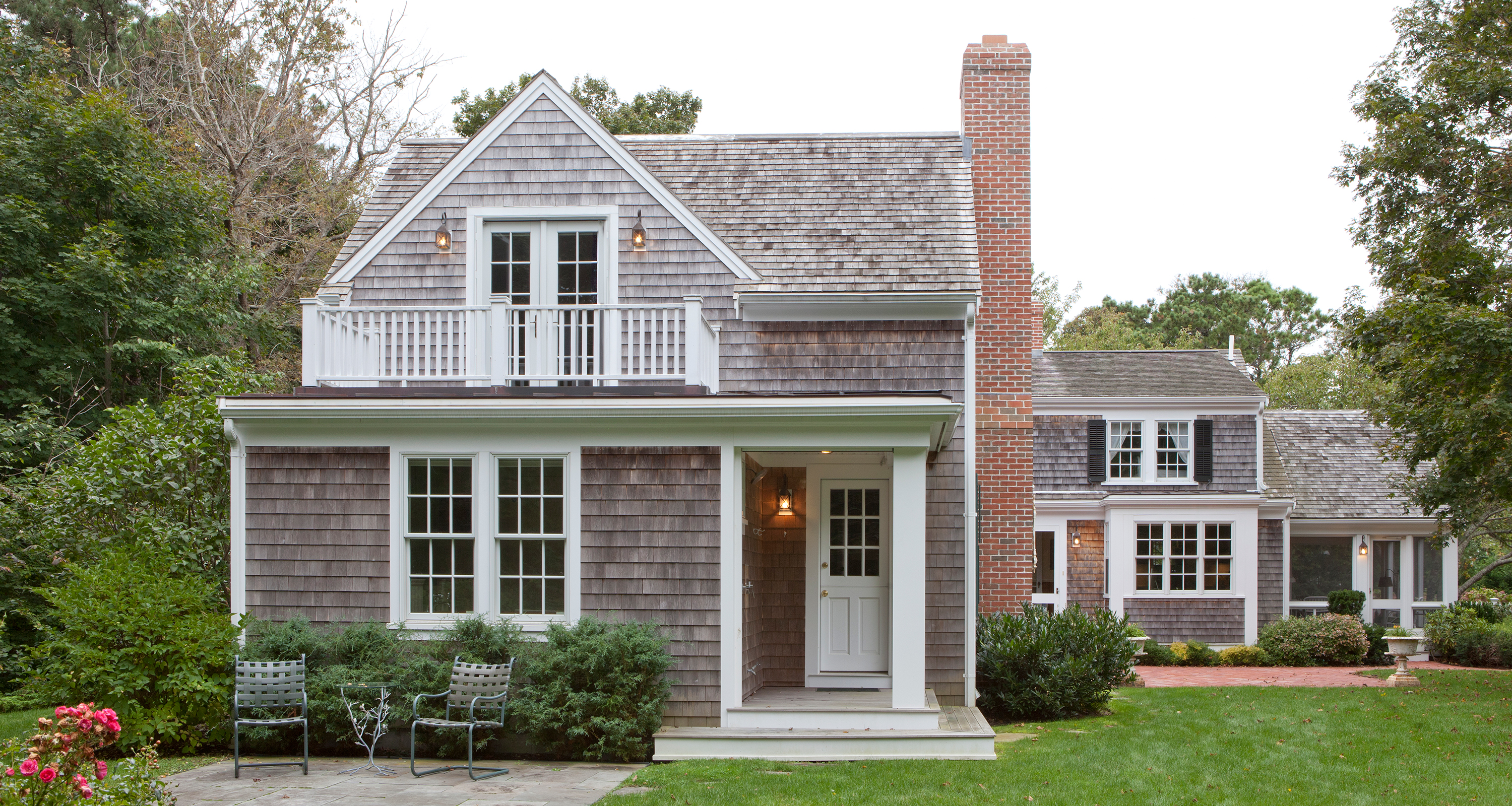
A Cape Cod house is a traditional American home style characterised by a symmetrical façade, steep pitched roof, central chimney, and simple rectangular footprint. The design originated as a practical response to harsh coastal weather and limited building resources.
At its core, a Cape Cod home is about efficiency and durability. Rather than decorative excess, the focus is on solid construction, compact form, and comfortable interior spaces. These qualities have allowed the Cape Cod style to adapt across generations while remaining visually consistent.
Historical Roots of Cape Cod Architecture
Cape Cod architecture dates back to the late 17th century, when English settlers arrived in New England. Drawing inspiration from familiar English cottages, early builders adapted designs to suit the colder climate and strong coastal winds of the northeastern United States.
The region now known as Cape Cod provided the name for this architectural style. Homes were built low to the ground, with steep roofs to shed snow and large chimneys to provide central heating. Wood was the primary building material, as it was readily available.
By the mid-20th century, Cape Cod style houses experienced a revival, particularly after World War II. Housing demand increased rapidly, and the Cape Cod style offered a cost-effective, easily repeatable design that suited suburban development. Many American Cape Cod homes built during this period still define residential neighbourhoods today.
Defining Features of a Cape Cod Style House
Although individual homes may vary, several key characteristics are commonly associated with Cape Cod style houses:
-
Steeply pitched roof designed to prevent snow accumulation
-
Symmetrical front façade, often with a central entrance
-
Central chimney or paired chimneys in larger versions
-
Dormer windows on upper floors to increase light and usable space
-
Shingle or clapboard siding, traditionally in natural wood tones
-
Multi-pane windows, often arranged evenly on either side of the door
These elements work together to create a balanced, understated appearance. The overall impression is one of order, practicality, and restraint.
Interior Layout and Space Planning
The interior of a traditional Cape Cod home style reflects the same principles found on the exterior. Early designs featured a compact floor plan with rooms arranged around a central chimney. This allowed heat to circulate efficiently and kept living spaces close together.
Common interior characteristics include:
-
Modest ceiling heights
-
Clearly defined rooms rather than open-plan layouts
-
Bedrooms often located on the upper floor or loft space
-
Functional staircases positioned near the centre of the home
In modern adaptations, many Cape Cod style homes have been expanded or reconfigured to meet contemporary living needs while retaining the original architectural identity.
American Cape Cod Homes in the 20th Century
The popularity of American Cape Cod homes increased significantly during the 1940s and 1950s. Returning soldiers and growing families needed affordable, durable housing, and the Cape Cod style provided a practical solution.
Government-backed housing initiatives in the USA supported the rapid construction of suburban developments based on standardised designs. Organisations such as the Federal Housing Administration influenced residential construction standards, helping to establish Cape Cod style houses as a common sight across the country.
These mid-century versions often included unfinished attic spaces that homeowners could later convert into bedrooms or storage, offering flexibility as families grew.
Variations of Cape Cod Style Homes
While the classic Cape Cod style house is instantly recognisable, several variations exist:
-
Half Cape – A smaller version with the door positioned to one side
-
Three-quarter Cape – An asymmetrical layout with additional windows on one side
-
Full Cape – A symmetrical design with a central door and balanced windows
Over time, larger and more elaborate interpretations have emerged, sometimes blending Cape Cod architecture with Colonial or contemporary elements.
Materials and Construction Methods
Traditional Cape Cod houses were built using timber framing and local wood siding. Roofs were originally thatched, later replaced with wooden shingles, and now commonly use asphalt or composite materials.
In modern construction, Cape Cod style homes may incorporate updated materials such as engineered wood, fibre cement siding, and energy-efficient windows. Despite these changes, the visual language of the style remains consistent.
The emphasis on durability and weather resistance continues to make this architecture suitable for regions with challenging climates, including coastal areas in both the USA and parts of the UK.
Cape Cod Style Houses and Climate Adaptation
One reason Cape Cod architecture has endured is its climate-responsive design. The steep roof, compact footprint, and central heating system were all practical solutions to cold winters and strong winds.
In the UK, where weather conditions can be similarly variable, the Cape Cod style home is often referenced in discussions about traditional, resilient housing forms. While not native to British architecture, its principles align closely with long-standing UK building practices.
The Role of Symmetry and Proportion
Symmetry is a defining aspect of the Cape Cod style house. Windows are typically arranged evenly, and the front door is often centred. This creates a sense of balance and visual calm.
Architectural proportion plays an equally important role. Cape Cod style homes are designed to appear grounded and stable, with rooflines that dominate the structure and walls that appear secondary. This visual hierarchy contributes to the style’s enduring appeal.
Landscaping and Setting
Cape Cod style houses are often complemented by simple, natural landscaping. Rather than formal gardens, the surrounding environment typically features:

-
Low hedges or shrubs
-
Open lawns
-
Minimal hardscaping
This approach reflects the original rural and coastal settings of early Cape Cod homes. In modern developments, the style adapts well to suburban neighbourhoods, where simplicity and consistency are valued.
Cape Cod Homes in Contemporary Design
Although rooted in tradition, the Cape Cod home style continues to influence modern architecture. Contemporary architects often reinterpret the style by maintaining the classic exterior while introducing modern interior layouts.
Open-plan living areas, updated kitchens, and improved insulation are commonly integrated into Cape Cod style homes without altering their outward appearance. This balance between tradition and modern comfort contributes to the style’s continued relevance.
Architectural bodies such as the American Institute of Architects frequently reference Cape Cod architecture when discussing regional and vernacular design traditions.
Differences Between Cape Cod and Other American Styles
Cape Cod style houses are sometimes compared with other traditional American home styles, such as Colonial or Ranch houses. While these styles share certain features, key differences exist.

Cape Cod homes are generally more compact than Colonial houses and more vertically oriented than Ranch homes. Their emphasis on roof structure and symmetry sets them apart from styles that prioritise horizontal lines or decorative façades.
Understanding these distinctions helps clarify what defines a true Cape Cod style home.
Longevity and Cultural Significance
The cultural significance of Cape Cod houses extends beyond architecture. These homes are often associated with ideas of stability, family life, and understated living. In popular culture, they are frequently depicted as comfortable, reliable dwellings rather than luxury properties.
This perception aligns with the original purpose of the Cape Cod house: to provide shelter that is functional, durable, and adaptable. Over time, this practicality has become part of the style’s identity.
Cape Cod Style Houses in the UK Context
While Cape Cod style houses are primarily associated with the United States, elements of Cape Cod architecture have influenced UK residential design, particularly in coastal and countryside developments.
British architects and developers may incorporate features such as pitched roofs, dormer windows, and symmetrical façades inspired by the Cape Cod home style. These adaptations reflect shared values around traditional appearance and climate-appropriate construction.
Maintenance and Long-Term Use
Cape Cod style homes are generally straightforward to maintain due to their simple form and limited decorative detailing. Fewer roof intersections and uncomplicated façades reduce potential maintenance issues.
This practical advantage contributes to the long-term popularity of Cape Cod style houses among homeowners seeking reliable, manageable properties rather than highly complex designs.
Why Cape Cod Architecture Remains Relevant
Cape Cod architecture continues to resonate because it prioritises human scale, practicality, and visual harmony. In an era of rapidly changing design trends, the style offers a sense of continuity and familiarity.
Its adaptability allows it to be reinterpreted across different regions, climates, and eras without losing its core identity. This flexibility is a key reason why Cape Cod style homes remain part of the architectural conversation in both the USA and, increasingly, the UK.
Final Perspective on Cape Cod Houses
The Cape Cod house represents more than a specific architectural form; it reflects a design philosophy rooted in necessity, balance, and restraint. From its origins in New England to its widespread adoption across the United States, the Cape Cod style home has proven its ability to endure changing lifestyles and expectations.
Whether viewed as a historical reference or a viable contemporary option, Cape Cod style houses continue to offer insights into how architecture can remain relevant by responding to climate, culture, and everyday living needs.