The eucalyptus tree is widely recognised for its aromatic foliage, fast growth, and distinctive appearance. Native to Australia but now grown across many parts of the UK and the USA, eucalyptus plants have moved beyond their original habitat and become familiar features in private gardens, public landscapes, and managed green spaces. Their popularity is closely linked to adaptability, visual character, and practical uses rather than ornamental excess.
This article examines eucalyptus tree planting, general growth behaviour, and long-term eucalyptus tree care in temperate regions. The discussion focuses on understanding the plant’s nature, environmental needs, and role in managed landscapes, rather than presenting step-by-step instructions.
Understanding the Eucalyptus Plant
Eucalyptus belongs to the genus Eucalyptus, which includes more than 700 species. These range from towering forest trees to compact shrubs suitable for smaller gardens. Botanically, eucalyptus plants are evergreen and known for their oil-rich leaves, smooth or textured bark, and rapid growth rates.
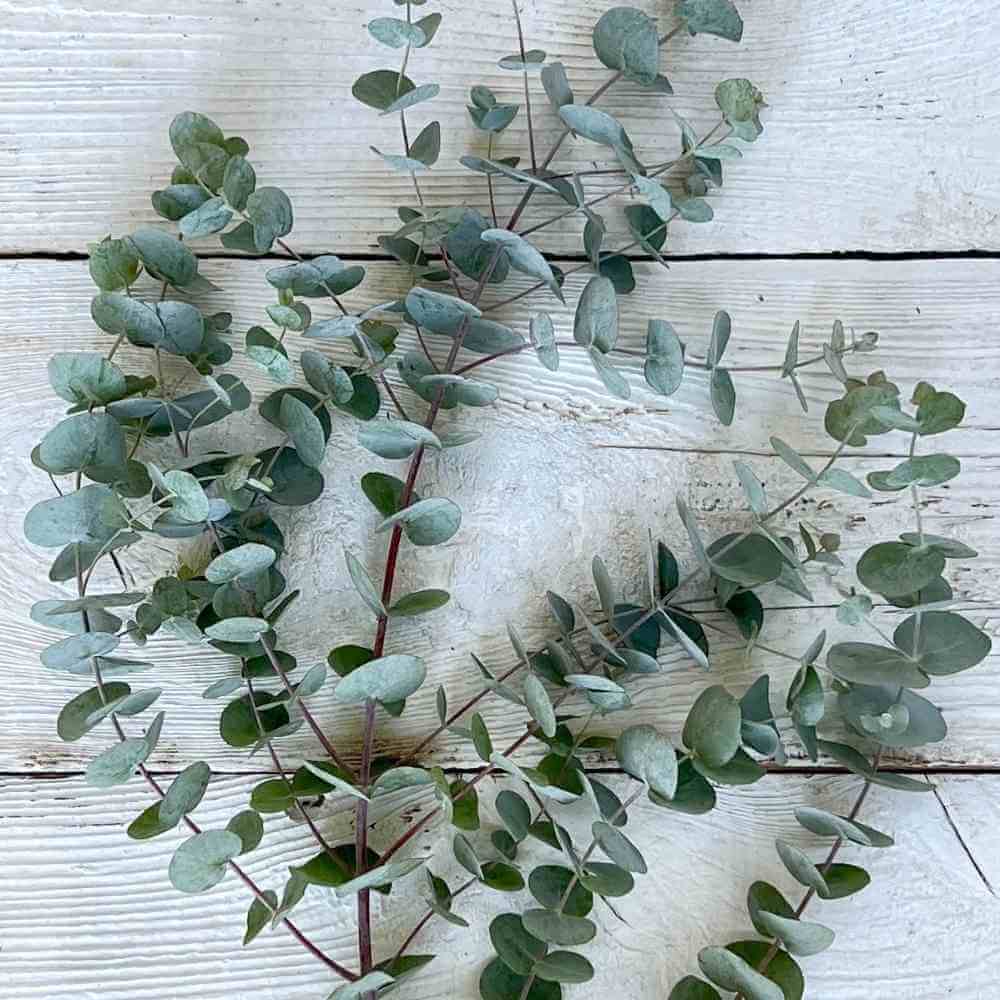
One of the most widely recognised species is Eucalyptus globulus, commonly referred to as the blue gum. Another popular choice for domestic landscapes is Eucalyptus cinerea, valued for its rounded, silvery-blue leaves.
Despite their shared genus, eucalyptus species differ significantly in size, cold tolerance, and growth habit, which explains their varied success across different climates.
Eucalyptus Trees in the UK and USA
Climate Adaptation
Eucalyptus trees are often associated with warm climates, but many species tolerate cooler conditions. In the UK, eucalyptus is commonly grown in southern and coastal regions, where winters are milder. In the USA, they are most widespread in California, the Pacific Northwest, and parts of the Southeast.
Their adaptability is linked to:
-
Evergreen foliage that reduces seasonal stress
-
Deep root systems in established trees
-
Flexible growth patterns when pruned or maintained
Guidance from organisations such as the Royal Horticultural Society notes that cold-hardy eucalyptus species can withstand light frost once mature, although young plants may be more sensitive.
Growth Characteristics of Eucalyptus Trees
Fast Growth and Structure
One of the defining traits of eucalyptus is speed. Compared with many native UK or North American trees, eucalyptus grows rapidly in its early years. This makes it appealing where height or screening is desired, but it also means growth must be understood and managed carefully.
Typical features include:
-
Upright growth habit
-
Flexible branches in young trees
-
Variable bark texture, from smooth to fibrous
Because of this rapid development, growing eucalyptus requires awareness of available space and long-term size expectations.
Leaf Development and Appearance
Eucalyptus leaves are visually distinctive and undergo noticeable changes as the plant matures.
Juvenile vs Adult Leaves
-
Juvenile foliage: Rounded, soft-textured, often blue or silver
-
Adult foliage: Longer, narrower, deeper green
The popularity of silver dollar eucalyptus comes from its prolonged juvenile leaf phase, especially when grown as a smaller tree or regularly cut back. These leaves are widely used in floral arrangements and dried displays.
The leaves contain aromatic oils that release a strong scent, particularly in warm weather or when crushed.
Eucalyptus Tree Planting in Managed Landscapes
Eucalyptus tree planting in the UK and USA is usually intentional and controlled, unlike native woodland species that self-seed widely. Placement decisions often consider light, wind exposure, and proximity to buildings.
Landscape Use
Eucalyptus trees are commonly used for:
-
Feature planting in open gardens
-
Shelter belts in large properties
-
Urban planting where evergreen cover is desired
Because of their height and root development, eucalyptus trees are rarely planted in confined spaces without long-term planning.
Soil Preferences and Ground Conditions
Eucalyptus plants are adaptable but show best growth in certain soil types. Naturally, they evolved in soils that are:
-
Free-draining
-
Low to moderate in nutrients
-
Slightly acidic to neutral
Heavy, waterlogged soils can restrict root health, especially in colder climates. This explains why eucalyptus sometimes struggles in areas with persistent winter moisture.
In the USA, soil tolerance varies by species, while in the UK, soil drainage is often a more important factor than fertility.
Water Use and Moisture Balance
Young eucalyptus plants require consistent moisture during establishment. Mature trees, however, are relatively drought tolerant. This transition explains why eucalyptus is often associated with water efficiency once fully grown.
That said, excessive dryness during early growth stages can slow development and affect leaf quality. In contrast, waterlogged conditions increase the risk of root stress.
Balancing moisture is therefore central to long-term eucalyptus plant care, especially in regions with seasonal rainfall variation.
Eucalyptus Care Over Time
Long-Term Behaviour
Once established, eucalyptus trees are generally low-maintenance compared with many ornamental trees. Their evergreen nature reduces seasonal leaf drop, though bark shedding is common in some species and is a natural process.
Routine considerations include:
-
Monitoring overall size and height
-
Managing wind exposure in open sites
-
Allowing space for root expansion
In the USA, particularly in California, eucalyptus management also considers fire behaviour, as oil-rich foliage can increase flammability in dry conditions.
Pruning and Growth Control
Eucalyptus responds well to pruning, which is why some species are maintained as smaller trees or large shrubs. Regular cutting can encourage juvenile foliage and limit height.
This approach is commonly applied to silver dollar eucalyptus, especially in domestic gardens where space is limited. Controlled pruning can also improve airflow and maintain visual balance.
Wildlife and Environmental Considerations
Eucalyptus trees play different ecological roles depending on location.
In Native vs Non-Native Contexts
-
In Australia, eucalyptus supports a wide range of native wildlife
-
In the UK and USA, wildlife interaction is more limited
However, eucalyptus flowers can still provide nectar for bees and other pollinators, particularly in warmer regions. The evergreen canopy also offers shelter for birds in winter months.
Environmental studies referenced by the United States Forest Service highlight the importance of managing eucalyptus responsibly in non-native environments to avoid ecological imbalance.
Eucalyptus and Urban Environments
In towns and cities, eucalyptus trees are often planted for their resilience to pollution and visual impact. Their upright form and year-round foliage make them suitable for:
-
Streetscapes
-
Institutional grounds
-
Large residential developments
Urban planting usually favours smaller or slower-growing species to reduce infrastructure conflict.
Cold Tolerance and Seasonal Response
Eucalyptus cold tolerance varies widely by species. Some withstand temperatures well below freezing, while others are damaged by light frost.
In the UK:
-
Coastal and southern areas show better survival rates
-
Inland frost pockets can cause leaf scorch
In the USA:
-
Northern states require cold-hardy varieties
-
Southern states allow broader species selection
Understanding this variability is key to realistic expectations when how to grow eucalyptus is discussed in different regions.
Eucalyptus as a Long-Term Landscape Element
Unlike short-lived ornamental plants, eucalyptus trees are long-term features. Their presence influences light levels, soil moisture, and surrounding plant choices.
As they mature:
-
Shade increases
-
Root competition becomes more noticeable
-
Visual dominance may shift garden balance
For this reason, eucalyptus is often used as a structural plant rather than a background filler.
Common Misunderstandings About Eucalyptus
-
Eucalyptus always grows too large
Many species remain moderate in size, especially with pruning. -
Eucalyptus cannot tolerate cold climates
Several species are suitable for cooler regions. -
Eucalyptus requires constant attention
Once established, maintenance needs are relatively low.
Clarifying these points helps align expectations with real-world performance.
Silver Dollar Eucalyptus in Detail
Silver dollar eucalyptus (Eucalyptus cinerea) has gained popularity due to its leaf shape and manageable growth habit. Its rounded, silvery foliage contrasts with darker evergreen plants and remains attractive year-round.
It is often grown for:
-
Visual texture
-
Cut foliage use
-
Compact tree form
Compared with taller eucalyptus species, it integrates more easily into domestic landscapes in both the UK and the USA.
Eucalyptus in Sustainable Landscaping
Eucalyptus trees contribute to sustainability discussions in mixed ways. Their fast growth allows for rapid carbon capture, but water use during establishment and ecological compatibility must be considered.
In managed landscapes, eucalyptus fits best when:
-
Species selection matches climate
-
Planting density is controlled
-
Long-term size is accounted for
This balanced approach supports responsible use without overreliance.
Eucalyptus in Cultural and Practical Use
Beyond landscaping, eucalyptus is known for its essential oils, timber applications, and historical use in land drainage projects. These uses have shaped public perception of eucalyptus as both functional and ornamental.
In the UK and USA, its role today is more aesthetic and structural than industrial, particularly in residential settings.
Final Perspective on Growing Eucalyptus
Eucalyptus trees occupy a distinctive position among evergreen plants. Their combination of fast growth, aromatic foliage, and architectural form sets them apart from traditional garden trees.
Understanding eucalyptus plant care, natural growth habits, and regional suitability allows eucalyptus to be integrated thoughtfully into landscapes without unrealistic expectations. Whether grown as a full-sized tree or a compact, pruned specimen, eucalyptus continues to adapt well to managed environments across the UK and the USA.
Rather than being defined by trends, eucalyptus remains relevant because of resilience, simplicity, and its ability to shape space over time.