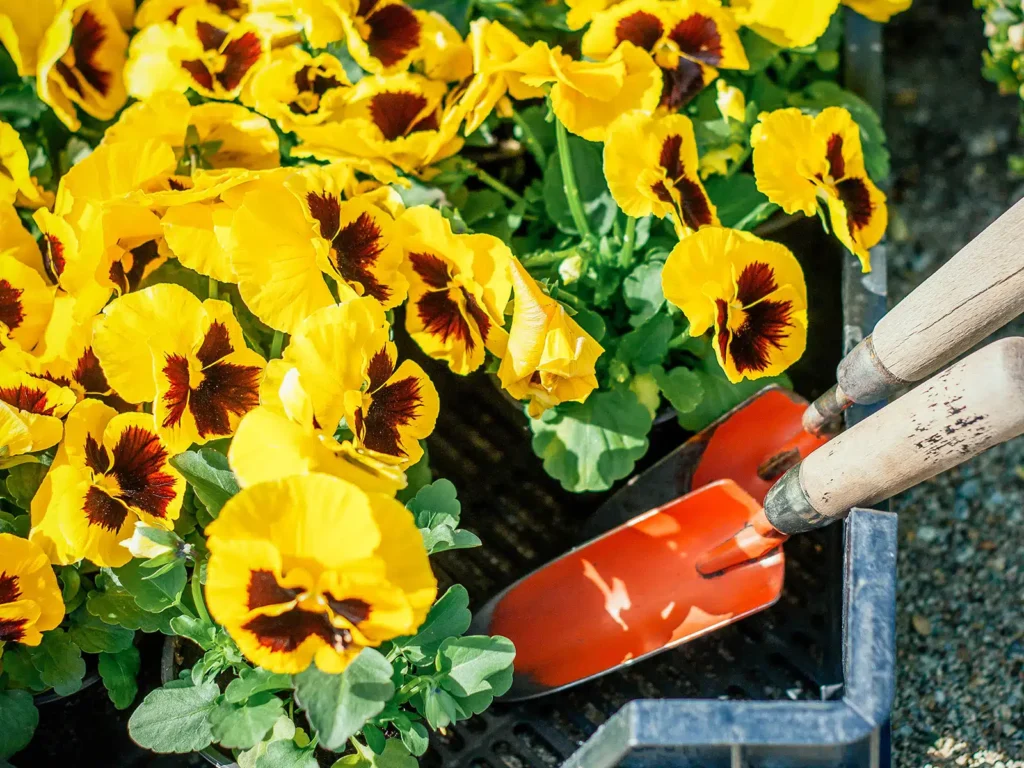
The primrose flower is one of the earliest and most familiar signs that winter is loosening its grip. Found in woodlands, gardens, hedgerows, and shaded lawns, primroses appear when many plants are still dormant. Their soft yellow petals and low-growing rosettes are instantly recognisable across the UK and large parts of the USA.
Known botanically as Primula vulgaris, the common primrose belongs to the wider Primula family, a group that includes hundreds of species adapted to temperate climates. Despite their modest appearance, primrose flowers carry ecological, cultural, and horticultural importance that goes far beyond early colour in the landscape.
This article explores primrose plants in a factual, grounded way—covering their natural history, growing conditions, seasonal behaviour, symbolism, and relevance in modern gardens—without treating the subject as a step-by-step guide.
Understanding the Primrose Plant
The word primrose comes from the Latin prima rosa, meaning “first rose,” a reference to its early flowering habit rather than any relation to roses. The primrose primula is typically a perennial plant with pale yellow blooms, though cultivated forms can appear in cream, pink, or light greenish tones.
Botanical Characteristics
-
Growth habit: Low-growing perennial
-
Leaves: Wrinkled, oval leaves forming a basal rosette
-
Flowers: Five-petaled, usually pale yellow, with a deeper yellow centre
-
Height: Typically 10–15 cm
-
Flowering period: Late winter to mid-spring
Unlike taller spring bulbs, the flower primrose grows close to the ground. This allows it to survive cold winds and benefit from limited sunlight filtering through bare trees.
Primula Vulgaris in the Wild
In the UK, primula vulgaris is native and widespread. It is often found in ancient woodlands, grassy banks, roadside verges, and shaded meadows. In the USA, primroses are grown ornamentally, while some related Primula species are native to North America, particularly in mountainous or moist regions.
The common primrose prefers environments that mimic woodland conditions:
-
Partial shade
-
Moist but well-drained soil
-
Protection from harsh afternoon sun
Because of these preferences, primroses are frequently associated with naturalistic and informal landscapes rather than formal flower beds.
Seasonal Role of Primroses
Early Flowering Importance
Primroses are among the first nectar-producing plants available to pollinators after winter. Bees, especially early-emerging species, rely on primrose flowers when few alternatives exist.
This ecological role is well documented by organisations such as the Royal Horticultural Society, which highlights primroses as valuable plants for biodiversity in temperate gardens.
Lifespan and Cycle
Primroses follow a predictable seasonal rhythm:
-
Winter: Leaves remain low and semi-evergreen in mild climates
-
Early spring: Flowers emerge before most perennials
-
Late spring to summer: Flowering fades, foliage remains
-
Autumn: Energy is stored in the root system
This cycle explains why primrose growing is closely tied to natural seasonal changes rather than intensive care.
Cultural and Historical Meaning of Primrose
In British History
The primrose has deep cultural roots in Britain. It has appeared in poetry, folklore, and rural traditions for centuries. In Victorian times, primroses symbolised youth, renewal, and quiet affection.
The flower also became associated with Benjamin Disraeli, whose followers placed primroses on his grave annually, giving rise to “Primrose Day” in the late 19th century.
Symbolism Across Regions
-
UK: Early spring, hope, remembrance
-
USA: Renewal, natural simplicity
-
Europe: Modesty, protection, continuity
These meanings reflect the plant’s understated appearance and dependable return each year.
Primroses and Related Plants
The term primrose is often used broadly, but it is important to distinguish between true primroses and plants with similar names.
True Primroses
-
Primula vulgaris (common primrose)
-
Primula veris (cowslip)
-
Primula elatior (oxlip)
Unrelated Plants with “Primrose” in the Name
-
Evening primrose (Oenothera) – not part of the Primula genus
-
Mexican primrose (Oenothera speciosa)
Despite the shared name, these plants differ significantly in structure, flowering time, and habitat.
Growing Conditions in the UK and USA
While this article avoids step-by-step instructions, understanding environmental preferences helps explain why primroses thrive in some locations and struggle in others.
Climate Suitability
Primroses are well suited to:
-
Cool, temperate climates
-
Regions with mild, wet winters
-
Areas without extreme summer heat
This makes them particularly successful in:
-
The UK and Ireland
-
Northern and coastal USA
-
Pacific Northwest regions
In hotter parts of the USA, primroses are often treated as short-lived perennials or seasonal plants.
Soil and Landscape Preferences
Primroses naturally grow in soils rich in organic matter. Woodland leaf litter provides nutrients while maintaining moisture. This explains why primroses often perform better in shaded borders, under deciduous trees, or in naturalised lawns.
Key soil traits include:
-
Slightly acidic to neutral pH
-
Good drainage with consistent moisture
-
High organic content
Heavy clay or dry, sandy soils tend to limit flowering and longevity.
Primrose Varieties and Natural Variation
Although the classic image of a primrose is pale yellow, natural variations do occur. Over time, gardeners and breeders have selected subtle colour changes, but wild populations remain largely uniform.
Occasional variations include:
-
Cream or ivory petals
-
Light pink tones
-
Deeper yellow centres
These variations are often influenced by soil conditions and genetic diversity rather than human intervention.
Primroses in Modern Landscapes
Naturalistic Gardening
Primroses are commonly used in wildlife-friendly and low-intervention landscapes. Their ability to self-seed gently allows them to form informal drifts over time.
Urban and Suburban Use
In towns and cities across the UK and USA, primroses appear in:
-
Shaded front gardens
-
Public green spaces
-
Parkland and cemetery lawns
Because they require minimal disturbance, they are compatible with sustainable land management practices.
Wildlife and Ecological Value
Primroses support more than just early pollinators. Their leaves provide cover for small insects, while their flowers contribute to seasonal nectar availability.
Research from conservation groups such as Woodland Trust highlights the primrose as an indicator species for healthy woodland ecosystems.
Declines in wild primrose populations can signal broader environmental issues such as soil compaction, habitat loss, or changes in land use.
Primrose Flower in Art and Literature
Primroses appear frequently in English literature, from Shakespeare to Romantic-era poetry. Their early blooming made them a symbol of fleeting beauty and the passage of time.
Writers often used primroses to suggest:
-
Fragility
-
Innocence
-
The brief nature of youth
These literary associations continue to shape how primrose flowers are perceived today.
Common Misconceptions About Primroses
-
Primroses are delicate:
In reality, they are hardy plants adapted to cold conditions. -
Primroses only last one season:
True primroses are perennials and can live for many years in suitable conditions. -
All primroses are the same:
The Primula genus includes wide diversity in form, colour, and habitat.
Primroses and Sustainability
Because primroses thrive without heavy feeding or frequent watering, they align well with environmentally conscious gardening approaches. Their early flowering also reduces reliance on artificial planting for spring colour.
In both UK and USA contexts, primroses are often included in rewilding and habitat restoration projects due to their resilience and ecological value.
The Enduring Appeal of the Common Primrose
The common primrose does not rely on dramatic colours or size to stand out. Its appeal lies in timing, reliability, and quiet presence. When landscapes are still muted, primrose flowers signal seasonal change in a subtle but unmistakable way.
Across centuries, climates, and cultures, primroses have maintained their place in natural and cultivated spaces. Whether growing along a woodland path in England or in a shaded garden in the northern United States, primula vulgaris remains one of the most recognisable and respected early-flowering plants.
Final Thoughts
Primroses occupy a unique position in temperate landscapes. They bridge winter and spring, support early wildlife, and connect modern gardens to long-standing natural traditions. Without demanding attention, they continue to return year after year—quietly marking the rhythm of the seasons.