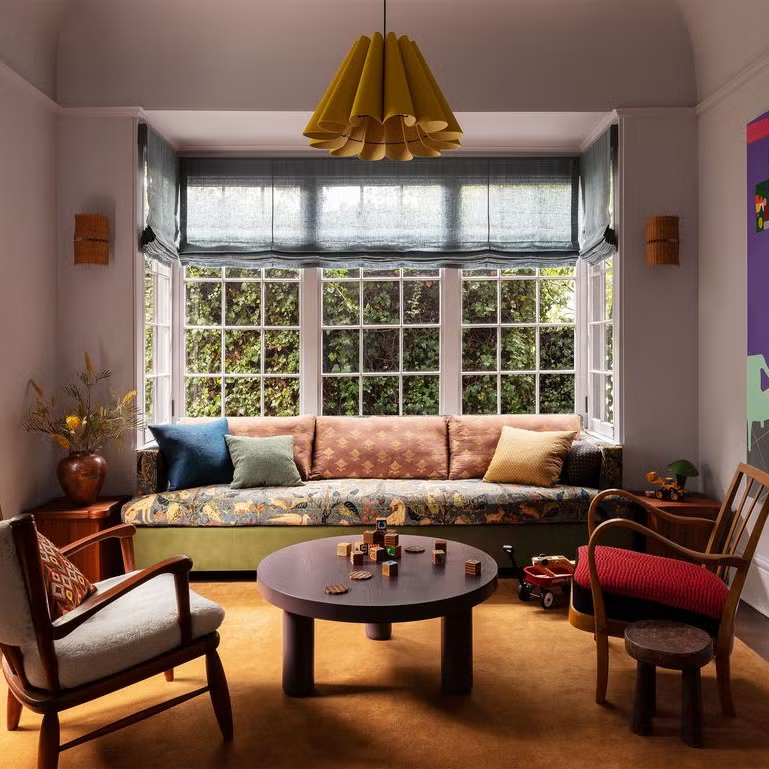
Choosing the right fabric on a sofa is one of the most important decisions when furnishing a living room. The type of fabric not only affects how a couch looks but also determines its comfort, durability, and maintenance. Whether you’re buying a new fabric sofa or reupholstering an existing one, understanding the different couch materials available can help you make a decision that suits your lifestyle, décor, and budget.
In today’s market, there are countless sofa fabric materials—from luxurious velvets to practical microfibres, natural linens to sturdy polyesters. Each option offers its own unique texture, appearance, and performance. This article takes a closer look at the most common sofa fabric types, exploring their benefits, drawbacks, and best uses, so you can find the perfect sofa with cloth for your space.
The Importance of Choosing the Right Fabric on a Sofa
A sofa is one of the most used pieces of furniture in a home. It’s where people relax after a long day, entertain guests, or spend time with family. Because of this, the fabric of sofas must balance aesthetics, comfort, and practicality.
The right sofa fabric material can make a big difference. For example, a velvet sofa creates a sophisticated look but requires careful maintenance. On the other hand, a polyester blend may be more resistant to stains and wear, ideal for homes with children or pets.
When choosing between kinds of sofa fabric, it’s worth considering several factors:
-
Durability: How much use will the sofa get daily?
-
Comfort: Do you prefer a soft, warm texture or something smoother and cooler?
-
Maintenance: Can you easily clean it, or does it require special care?
-
Style: Does the fabric complement your room’s colour palette and décor theme?
Common Types of Sofa Fabric
There are many couch fabric types, but they generally fall into two main categories: natural fabrics and synthetic fabrics. Each group has its advantages and best applications, depending on the user’s needs.
1. Cotton
Cotton is one of the most popular fabric materials for sofas. It’s soft, breathable, and available in a variety of patterns and colours. As a natural fibre, cotton provides excellent comfort and a welcoming texture that feels pleasant in both warm and cool climates.
Pros:
-
Comfortable and soft to the touch
-
Breathable and hypoallergenic
-
Affordable and versatile
Cons:
-
Prone to wrinkles
-
Can stain easily if not treated
-
May fade in direct sunlight
Cotton blends—where cotton is mixed with synthetic fibres—are often used to increase durability and stain resistance. For example, a cotton-polyester blend maintains cotton’s softness while improving longevity, making it a practical choice for busy households.
2. Linen
Linen is another natural fabric known for its light, airy texture and timeless appeal. Many contemporary and coastal-inspired interiors feature linen sofas because of their relaxed, organic look.
Pros:
-
Eco-friendly and natural
-
Cool and breathable
-
Offers a casual, sophisticated aesthetic
Cons:
-
Wrinkles easily
-
Can shrink when washed improperly
-
Not ideal for high-traffic areas
Linen is best suited for formal living rooms or low-use areas, where its elegant, slightly wrinkled texture adds character without excessive wear.
3. Wool
Wool provides warmth and resilience, making it one of the more durable sofa fabrics. It’s naturally resistant to pilling and wrinkling and is excellent for cooler climates.
Pros:
-
Durable and long-lasting
-
Retains warmth in winter
-
Resistant to stains and wear
Cons:
-
Can feel coarse if not blended
-
More expensive than other materials
-
May require professional cleaning
Modern wool blends, often mixed with synthetic fibres, create a softer, more affordable, and easier-to-clean fabric material sofa.
4. Velvet
Velvet has long been associated with luxury and elegance. A velvet sofa instantly elevates a room’s visual appeal, making it a popular choice in high-end or classic interiors.
Pros:
-
Luxurious and rich texture
-
Deep, vibrant colour appearance
-
Comfortable and soft
Cons:
-
Requires regular maintenance
-
Attracts dust and pet hair
-
Susceptible to crushing
Velvet works beautifully in formal living areas or spaces with low daily use. Synthetic versions, such as polyester velvet, offer easier maintenance and improved durability.
5. Leather and Faux Leather
While technically not a fabric, leather is an important consideration when discussing couch materials. Genuine leather offers a timeless look and durability unmatched by most other materials. Faux leather (or vegan leather) provides a similar look at a lower cost and with less maintenance.
Pros of Genuine Leather:
-
Long-lasting and ages beautifully
-
Easy to clean and wipe down
-
Naturally resistant to spills
Cons:
-
Expensive
-
Can crack if not conditioned
-
May feel cold in winter and warm in summer
Faux Leather Advantages:
-
Affordable
-
Animal-friendly
-
More colour options
Leather and faux leather are both great for families seeking low-maintenance seating, especially in modern or industrial-style homes.
6. Polyester
Polyester is one of the most durable synthetic sofa fabric materials on the market. It resists fading, wrinkling, and stretching, making it perfect for high-traffic living rooms or homes with kids and pets.
Pros:
-
Highly durable
-
Easy to clean
-
Affordable
Cons:
-
Can trap heat
-
Not as breathable as natural fibres
-
Static build-up in dry environments
Polyester blends, such as microfiber or chenille, enhance the comfort level and add a softer touch while maintaining durability.
7. Microfiber
Microfiber, a finely woven polyester, is among the most practical couch fabric types for busy households. Its tightly woven fibres resist dust, pet hair, and stains.
Pros:
-
Soft and smooth texture
-
Stain and spill resistant
-
Durable and long-lasting
Cons:
-
May feel less breathable
-
Limited luxurious texture compared to velvet or linen
Microfiber couches are especially popular in family rooms or rental properties, where easy maintenance is a priority.
8. Chenille
Chenille, which means “caterpillar” in French, has a distinctive soft pile texture that adds warmth and comfort to any sofa.
Pros:
-
Plush and cozy
-
Excellent for casual interiors
-
Available in many colours and patterns
Cons:
-
May attract dust
-
Can require regular vacuuming
-
May flatten over time in high-use areas
Chenille blends are often used to increase strength and make cleaning easier while maintaining the soft texture people love.
9. Acrylic
Acrylic fabric sofas are lightweight and mimic the feel of wool. They resist fading and are often used in bright or sunny rooms where UV exposure could be an issue.
Pros:
-
Colourfast and fade-resistant
-
Easy to clean
-
Affordable alternative to wool
Cons:
-
Can pill over time
-
Less breathable than natural fibres
Acrylic is a solid choice for contemporary homes seeking vibrant colours and easy maintenance.
10. Olefin
Olefin (also known as polypropylene) is a durable synthetic fibre known for its resistance to moisture, mildew, and fading.
Pros:
-
Extremely durable
-
Water-resistant
-
Great for outdoor or semi-outdoor use
Cons:
-
Limited texture options
-
May feel less natural
Olefin fabrics are increasingly popular for both indoor and outdoor sofa with cloth designs due to their resilience and practicality.
Comparing Fabric Types: Which Is Best for You?
Choosing the best sofa fabric material depends largely on your lifestyle, location, and interior style. Below are a few common considerations:
For Families with Children or Pets
Look for stain-resistant and durable materials like microfiber, polyester blends, or leather. These resist spills and are easy to wipe clean.
For Elegant or Formal Spaces
Velvet, linen, or wool-blend sofas create a refined atmosphere. While they may need more maintenance, their appearance is unmatched in sophistication.
For Warm Climates
Breathable, natural fabrics such as cotton and linen offer comfort and temperature control, preventing overheating.
For Cool Climates
Wool, chenille, and velvet provide a cozy, warm touch—perfect for colder months.
Maintenance and Longevity
No matter which sofa types of fabric you choose, regular maintenance extends its lifespan. Simple habits can make a significant difference:
-
Vacuum regularly to remove dust and crumbs.
-
Rotate cushions to distribute wear evenly.
-
Clean spills immediately using fabric-appropriate cleaners.
-
Use protective sprays for added stain resistance.
-
Avoid direct sunlight to prevent fading.
Professional cleaning every 12–18 months can also help preserve the appearance and hygiene of your fabric sofa.
Sustainability and Eco-Friendly Fabric Options
With growing environmental awareness, many people now consider eco-friendly couch materials. Natural fibres like cotton, linen, and wool are renewable and biodegradable. Some manufacturers also use recycled polyester or ethically sourced leather alternatives.
Opting for sustainable fabrics not only benefits the environment but can also contribute to healthier indoor air quality since they contain fewer synthetic chemicals.
Style and Texture: Matching Fabric with Décor
The fabric on a sofa plays a major role in defining the overall mood of a room.
-
Velvet and chenille create luxurious, classic interiors.
-
Linen and cotton evoke a relaxed, natural look.
-
Leather complements modern or industrial spaces.
-
Microfiber and polyester suit contemporary, minimalist designs.
Texture can also influence perception: rough weaves add depth and rustic charm, while smooth surfaces convey sleekness and refinement.
Colour Choices and Practical Considerations
When selecting couch fabric types, colour is just as crucial as texture. Light shades can make a room feel spacious but may show stains easily. Darker tones hide marks but can make smaller rooms feel more compact.
Neutral tones like beige, grey, or cream remain timeless and versatile, while bold colours like navy or emerald green create striking focal points. Patterned fabrics can help disguise everyday wear and add personality to your interior.
The Future of Sofa Fabric Design
Advances in textile technology are creating smarter, more durable fabric sofas. Performance fabrics, for example, combine the softness of natural fibres with high-tech coatings that repel stains, resist fading, and even block odours.
Additionally, sustainable innovations—such as plant-based fibres, recycled materials, and waterless dyeing methods—are shaping the future of furniture design. For homeowners in the UK and USA, where sustainability trends are on the rise, these developments make it easier to choose eco-conscious options without compromising style or comfort.
Conclusion: Finding the Best Sofa Fabric Material for Your Home
The choice of sofa fabric is more than a visual preference—it’s a decision that affects your comfort, lifestyle, and the longevity of your furniture. From luxurious velvet to practical microfiber, each fabric material sofa offers unique qualities that suit different homes and needs.
To summarise:
-
Natural fabrics like cotton, linen, and wool offer breathability and comfort.
-
Synthetic fabrics like polyester, microfiber, and olefin provide durability and easy care.
-
Blends combine the best of both worlds, balancing beauty and practicality.
When selecting a fabric on a sofa, consider how often it will be used, your climate, and your home’s design aesthetic. A well-chosen sofa with cloth not only enhances your décor but also stands the test of time—providing comfort, beauty, and durability for years to come.