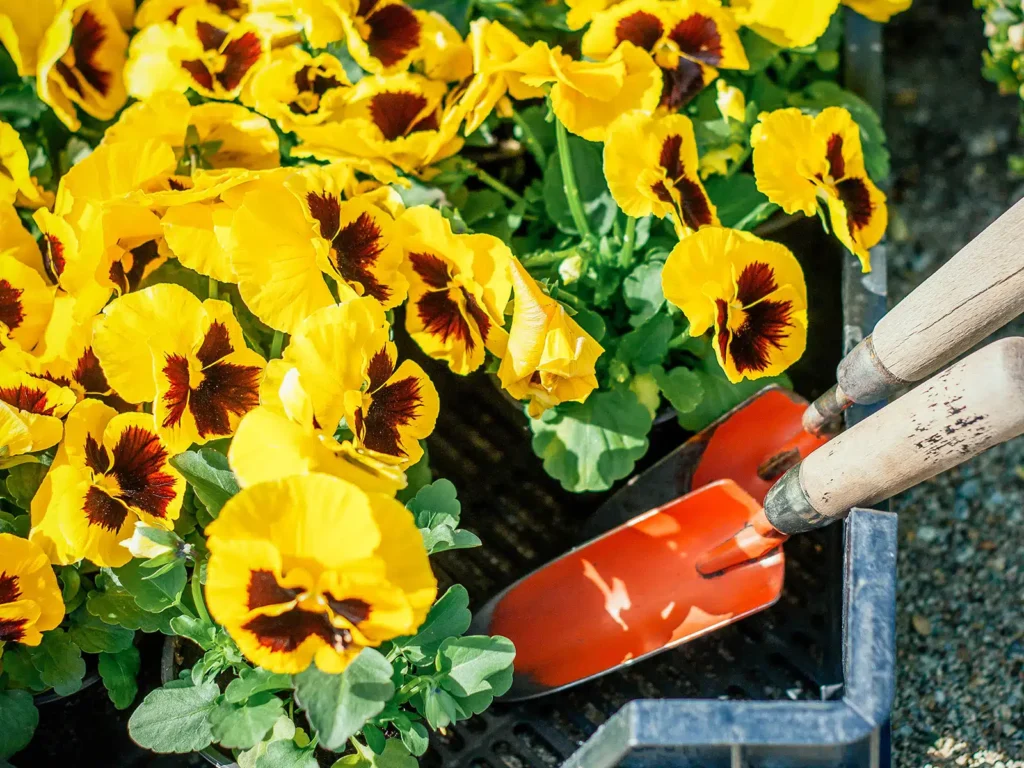
The marigold is one of the most recognisable garden flowers in both the UK and USA. Known for its warm shades of gold, orange, and deep yellow, the marigold flower has a long history in home gardens, public parks, and allotments. It’s often associated with late spring and summer planting, but it can also carry colour well into early autumn when many other flowers slow down.
People grow marigolds for more than just their cheerful look. Marigold plants are dependable, easy to grow in many soil types, and useful in mixed borders, containers, and even vegetable gardens. They are also widely planted in school gardens and beginner-friendly landscaping because they establish quickly and bloom consistently.
If you’ve ever wondered “are marigolds perennials?” or “are marigolds perennial flowers?”, you’re not alone. This is one of the most common questions gardeners ask. The answer depends on which marigold you’re growing, your climate, and how you treat it through the seasons. This article explains marigold types, planting choices, common mistakes, and what to expect throughout the year—without complicated gardening jargon.
What Is a Marigold?
The term marigold is used for a group of plants that produce bright, daisy-like or pom-pom style flowers. The most common marigolds grown in UK and US gardens belong to the Tagetes genus, including French marigolds and Mexican marigolds.
However, “marigold” can sometimes refer to other plants too, such as Calendula officinalis (often called pot marigold), which is a different plant entirely. In everyday gardening, though, most people mean Tagetes marigolds—the bold, sunny bedding plants commonly found in garden centres each spring.
Marigolds are popular because they:
-
Flower for a long season
-
Handle heat fairly well once established
-
Grow in pots, borders, and raised beds
-
Fit neatly into colourful planting schemes
-
Work well in pollinator-friendly gardens
Marigolds Flower: Shape, Colour, and Variety
One reason marigolds stay so popular is the diversity of the marigolds flower. Some varieties have simple single blooms that attract insects easily, while others have dense double blooms that look like ruffled pom-poms.
Common marigold colours
Marigold flowers are best known for:
-
golden yellow
-
bright orange
-
rich amber
-
copper tones
-
red-orange blends
Some varieties even show bicolour petals, such as orange with red centres.
Flower size differences
Depending on the type, marigolds can produce:
-
small, delicate flowers (great for edging)
-
medium blooms for mixed beds
-
large, showy flowers that stand out at a distance
This flexibility makes it easy to include marigolds in both modern planting styles and traditional cottage garden designs.
Are Marigolds Perennials? The Simple Answer
The question “are marigolds perennials?” has a slightly layered answer.
Most marigolds are annuals
In the UK and most of the USA, the common bedding marigolds (Tagetes) are grown as annual flowers. That means they complete their life cycle in one season: they grow, flower, set seed, and die when cold weather arrives.
Some marigolds can behave like perennials in warm climates
In consistently warm regions—especially areas without frost—certain marigold types may survive longer, sometimes behaving more like short-lived perennials. However, this depends heavily on local winters.
So, if you’re asking “are marigolds perennial flowers?”, the most accurate answer is:
Marigolds are usually grown as annuals in the UK and most of the USA, but they may survive longer in frost-free climates.
Why people get confused
Marigolds can flower for months, which makes them feel “permanent” in the garden. Also, they often reseed themselves, meaning new marigold seedlings may appear the next year—giving the impression that the plant returned on its own.
Marigold Plants: A Look at the Most Common Types
When people talk about marigold plants, they usually mean one of these main groups:
French marigolds (Tagetes patula)
French marigolds are compact, bushy, and perfect for edging and pots. They are known for:
-
smaller flowers
-
dense growth
-
strong colour varieties
-
reliable flowering through summer
They’re also a common choice for French marigold planting in vegetable gardens, where gardeners like using them around tomatoes and other crops.
African marigolds (Tagetes erecta)
Despite the name, African marigolds are not always linked to Africa in the way many assume. These tend to be taller and produce larger blooms.
They offer:
-
bigger, rounder flowers
-
stronger upright stems
-
a bold “summer bedding” look
They can be excellent for filling space at the back of borders.
Mexican marigolds (Tagetes species often linked to Tagetes minuta or Tagetes tenuifolia)
The term Mexican marigolds can mean different things depending on region and plant label, but in home gardening it often includes marigolds with:
-
fine, ferny foliage
-
smaller but very numerous flowers
-
a lighter, airy look
Some Mexican types are also appreciated for fragrance and traditional planting uses in different cultures.
Marigold Plant Growth Habit: Height and Spread
A healthy marigold plant can be compact and tidy or tall and striking, depending on variety.
Typical marigold sizes
-
Dwarf varieties: 15–25 cm (6–10 inches)
-
Medium varieties: 25–45 cm (10–18 inches)
-
Taller varieties: 60–90 cm (2–3 feet)
French marigolds often stay shorter, while African types can get quite tall and dramatic.
Growth shape
Marigolds typically form:
-
a rounded mound shape
-
bushy branching stems
-
dense leaf cover that helps reduce weeds in beds
This makes them suitable for mass planting, where they form blocks of colour.
Where Marigolds Work Best in UK and USA Gardens
Marigolds are extremely adaptable. In both the UK and US, they are commonly planted in:
-
front garden borders
-
patio containers and hanging baskets (short types)
-
vegetable garden edges
-
raised beds
-
pollinator patches
-
public flower displays
They also fit well in mixed plantings with summer favourites like petunias, salvias, zinnias, and cosmos.
Because marigolds are straightforward and forgiving, they’re often used in community gardens where different people contribute to care.
Light Requirements: Sun-Loving Flowers That Handle Partial Shade
Most marigolds bloom best in full sun.
Ideal light conditions
For the strongest flowering:
-
aim for 6+ hours of sunlight per day
-
morning sun is especially helpful
-
good airflow prevents mildew issues
Can marigolds grow in partial shade?
Yes, marigolds can tolerate partial shade, but flowering may be lighter. In the UK, where summer light is softer, many marigolds handle partial shade reasonably well. In the USA, strong afternoon sun can be intense in some regions, so partial shade during heatwaves can prevent stress.
Soil Preferences: What Helps Marigold Plants Thrive
Marigolds are not fussy, but they do best in soil that drains well.
Best soil conditions
-
loose, well-draining soil
-
moderately fertile ground
-
compost mixed in for structure
Avoid soil that stays soggy
Constantly wet soil can cause:
-
weak stems
-
slow growth
-
root rot
-
fewer flowers
In UK gardens with clay-heavy soil, mixing compost and improving drainage can make a noticeable difference.
In parts of the USA with sandy soil, adding organic matter helps retain moisture and improves nutrient balance.
Watering Marigolds: Consistency Without Overdoing It
Marigolds are fairly drought-tolerant once established, but they still need steady watering during early growth and blooming.
Watering guidelines
-
Water young plants regularly until roots establish
-
Water deeply rather than lightly every day
-
Let the top layer of soil dry slightly between watering
Container marigolds need more attention
Potted marigolds dry out faster than marigolds in the ground—especially during UK summer warm spells or hot US afternoons.
Signs a marigold needs water:
-
drooping leaves during the day (that don’t recover in evening)
-
dry soil surface and pot feels light
-
fewer buds opening
Overwatering is also a risk, especially in cool weather. If leaves turn yellow and soil stays wet, the plant may be receiving too much water.
Feeding: Do Marigolds Need Fertiliser?
Marigolds will grow and bloom without heavy feeding, but a small boost can help in poor soil.
A sensible approach
-
Add compost when planting
-
Use a balanced liquid feed once flowering begins (optional)
-
Avoid high-nitrogen fertilisers
Too much nitrogen can lead to:
-
lots of green leafy growth
-
fewer flowers
-
softer stems that flop
In most garden beds, marigolds do well with simple soil preparation rather than intensive feeding.
French Marigold Planting: Timing, Spacing, and Placement
French marigold planting is especially popular because these plants are compact and bloom reliably. Gardeners often use them for neat patterns, borders, and container displays.
When to plant French marigolds
In the UK:
-
plant outdoors after the last frost risk
-
late spring is often safest
In the USA:
-
planting time varies widely by state
-
warm regions can plant earlier
-
cooler states may plant later
Spacing tips
French marigolds need enough room for airflow:
-
spacing of around 15–25 cm (6–10 inches) is common
-
crowding can trap moisture and lead to fungal issues
Placement ideas
French marigolds look best:
-
at the front of borders
-
in window boxes
-
in decorative pots on patios
-
along paths for a tidy edge
They also make good filler plants around larger summer flowers.
Mexican Marigolds: A Different Look and Feel
The phrase Mexican marigolds may refer to different marigold species, but many gardeners use it for varieties with a more delicate appearance.
These marigolds often have:
-
fine foliage
-
smaller blooms
-
a natural, soft planting style
They can be excellent in:
-
cottage gardens
-
pollinator patches
-
informal border planting
Mexican marigolds may also produce a lot of flowers over time, giving a slightly “wildflower-like” effect compared to the structured look of French marigolds.
Deadheading Marigolds: Keeping Flowers Coming
Deadheading means removing spent blooms. This helps marigolds produce more flowers instead of spending energy on seed production.
Why deadheading matters
Regular deadheading can result in:
-
more consistent blooms
-
a tidier plant shape
-
better overall appearance
How to do it
You can pinch off old flowers using your fingers or small snips. Remove the flower head just above the next healthy set of leaves or buds.
If you’re growing marigolds for a natural look, you can deadhead less often and still enjoy plenty of colour.
Are Marigolds Good for Pollinators?
Marigolds can support pollinators, especially varieties with open flower centres. Some very dense double varieties are harder for insects to access.
In general:
-
single-flowered marigolds can attract bees and hoverflies
-
marigolds add diversity to pollinator-friendly planting
-
having multiple flowering species in the same bed improves habitat value
In both the UK and USA, pollinator planting has become more common, and marigolds remain a useful seasonal option.
Marigolds in Vegetable Gardens: Why People Use Them
Many gardeners plant marigolds near vegetables, especially in allotments and raised beds. Part of this is tradition, and part is practical.
Marigolds can:
-
add colour among edible crops
-
help define bed edges
-
attract beneficial insects
French marigolds are especially popular for this use because they stay compact and don’t shade vegetables too heavily.
While marigolds are often discussed as companion plants, results can vary depending on soil, climate, and what else is growing nearby. Still, they remain a favourite for mixed planting because they are simple to grow and visually effective.
Common Problems With Marigold Plants
Even low-maintenance flowers can run into issues. Understanding the most frequent marigold problems helps you respond early.
Marigolds not flowering well
Possible causes:
-
too much nitrogen fertiliser
-
not enough sun
-
overcrowding
-
pots drying out too often
Marigolds are sun-loving, so moving them into brighter conditions often improves bloom production quickly.
Yellowing leaves
Yellow leaves can be caused by:
-
overwatering
-
poor drainage
-
cool weather stress
-
natural ageing at the base of the plant
If the plant is otherwise healthy and flowering, a few yellow leaves at the bottom are usually not a big concern.
Powdery mildew
In humid or crowded conditions, marigolds may develop powdery mildew on leaves. This is more likely when airflow is poor.
Improving spacing and avoiding overhead watering can reduce the risk.
Leggy growth
If marigolds stretch and look thin, it’s often due to:
-
low light
-
overcrowding
-
warmth indoors before planting out
Pinching back young plants slightly can encourage bushier growth.
Marigolds in Pots: Easy Colour for Small Spaces
Marigolds are excellent container flowers, especially in UK patios and US porches. They also work well in balcony gardens where space is limited.
Container tips
-
choose a pot with drainage holes
-
use fresh, well-draining compost
-
water consistently, especially in warm weather
-
deadhead regularly for neatness
French marigolds are often best for small pots, while taller types may need heavier containers so they don’t tip over.
Seasonal Expectations: How Marigolds Behave Over the Year
Marigolds are strongly seasonal flowers in most climates.
Late spring to early summer
-
plants establish
-
first buds appear
-
flowering begins steadily
Mid-summer
This is peak marigold season:
-
strong colour
-
dense flowering
-
rapid growth
In the USA, very hot regions may see marigolds slow down briefly during extreme heat, then bounce back when temperatures drop slightly.
Late summer to autumn
Marigolds often continue flowering until:
-
cold nights slow them down
-
frost ends the season
In many UK gardens, marigolds remain colourful well into early autumn.
Marigolds and Reseeding: Will They Come Back Next Year?
Because marigolds are usually annuals, they don’t reliably return the following year in the same way perennials do. However, they can reseed under the right conditions.
When reseeding happens
You may see marigolds reappear if:
-
flowers were left to dry and produce seed
-
the soil wasn’t heavily disturbed
-
winter conditions were mild enough for seeds to survive
Seedlings may not look exactly like the original plants, especially if different varieties were grown nearby.
Marigolds vs Other Common Summer Flowers
Marigolds often get compared with other seasonal bedding plants. They offer a slightly different role in a garden because they combine strong colour with dependable structure.
Compared to petunias:
-
marigolds tolerate heat well
-
petunias may need more feeding to keep blooming heavily
Compared to zinnias:
-
marigolds handle cooler conditions better
-
zinnias often prefer stronger heat and very sunny spots
Compared to begonias:
-
marigolds usually need more sun
-
begonias can perform better in shade
This is why marigolds remain a versatile “middle ground” flower for many planting styles.
Using Marigolds in Garden Design
Marigolds work in many garden aesthetics, from traditional to modern.
Classic bedding displays
Marigolds are often planted in:
-
blocks of colour
-
neat rows along paths
-
mixed summer borders
Cottage garden planting
They blend well with:
-
lavender
-
salvia
-
cosmos
-
dahlias
-
snapdragons
Modern garden layouts
Try using marigolds in:
-
simple repeated patterns
-
pots with neutral containers
-
mixed foliage and flower combinations
Their warm colours can soften sharp edges and brighten shaded corners.
Final Thoughts: Marigolds as Practical, Reliable Seasonal Flowers
The marigold flower remains one of the most dependable ways to add bold colour to gardens in the UK and USA. Whether you choose compact French marigolds, taller varieties for borders, or lighter-looking Mexican marigolds, the result is usually the same: strong colour, steady blooming, and a plant that’s easy to manage.
If you’ve been asking “are marigolds perennials?”, the main takeaway is that most marigolds are grown as annuals in typical UK and US climates. However, they often flower so long—and reseed so easily—that they can feel like permanent garden residents.
With good sun, well-draining soil, steady watering, and occasional deadheading, marigold plants can perform consistently from late spring through autumn, making them a trusted choice for gardeners year after year.