Fleas are a common household concern in both the UK and USA, particularly in homes with pets or soft furnishings. While conventional chemical products are widely available, many households now look for alternatives such as natural flea repellent options that align with everyday living and indoor safety preferences. These approaches focus on discouraging fleas, reducing their presence, and maintaining cleaner indoor environments without relying heavily on synthetic substances.
A natural flea spray for house use is often chosen as part of a broader home hygiene routine rather than as a single solution. Understanding how natural ingredients work, where they are effective, and how they fit into regular cleaning practices helps set realistic expectations and improves long-term results.
Understanding Fleas in Indoor Spaces
Fleas are small parasitic insects that survive by feeding on mammals and birds. Indoors, they are commonly found in:
-
Carpets and rugs
-
Upholstered furniture
-
Pet bedding
-
Cracks in flooring
Fleas reproduce quickly, which is why early response matters. While professional treatments may be required for severe infestations, natural flea deterrent for house use is often applied as a preventive or supportive measure.
What Is Meant by Natural Flea Control
Natural flea control focuses on ingredients derived from plants, minerals, or household substances rather than synthetic insecticides. A natural flea killer or repellent does not always work instantly but instead disrupts flea activity and reduces suitability of the environment.
Natural approaches often aim to:
-
Repel fleas rather than poison them
-
Reduce flea attraction to surfaces
-
Support regular cleaning and maintenance
These methods are commonly used alongside vacuuming, washing fabrics, and pet hygiene routines.
Natural Flea Spray for House Use
A natural flea spray designed for indoor spaces is typically applied to surfaces where fleas may hide. These sprays are often water-based and may include plant-derived components.
Common application areas include:
-
Carpets and rugs
-
Skirting boards
-
Upholstered furniture
-
Pet resting areas
A flea spray for house use should always be tested on a small area first to avoid damage to fabrics or finishes.
DIY Flea Spray and Homemade Solutions

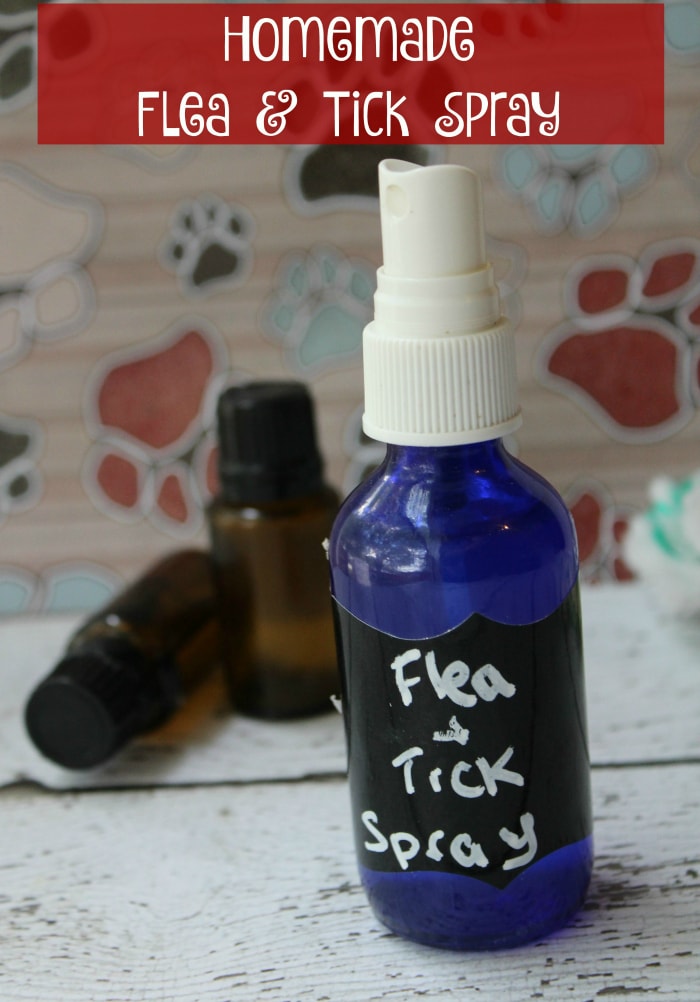
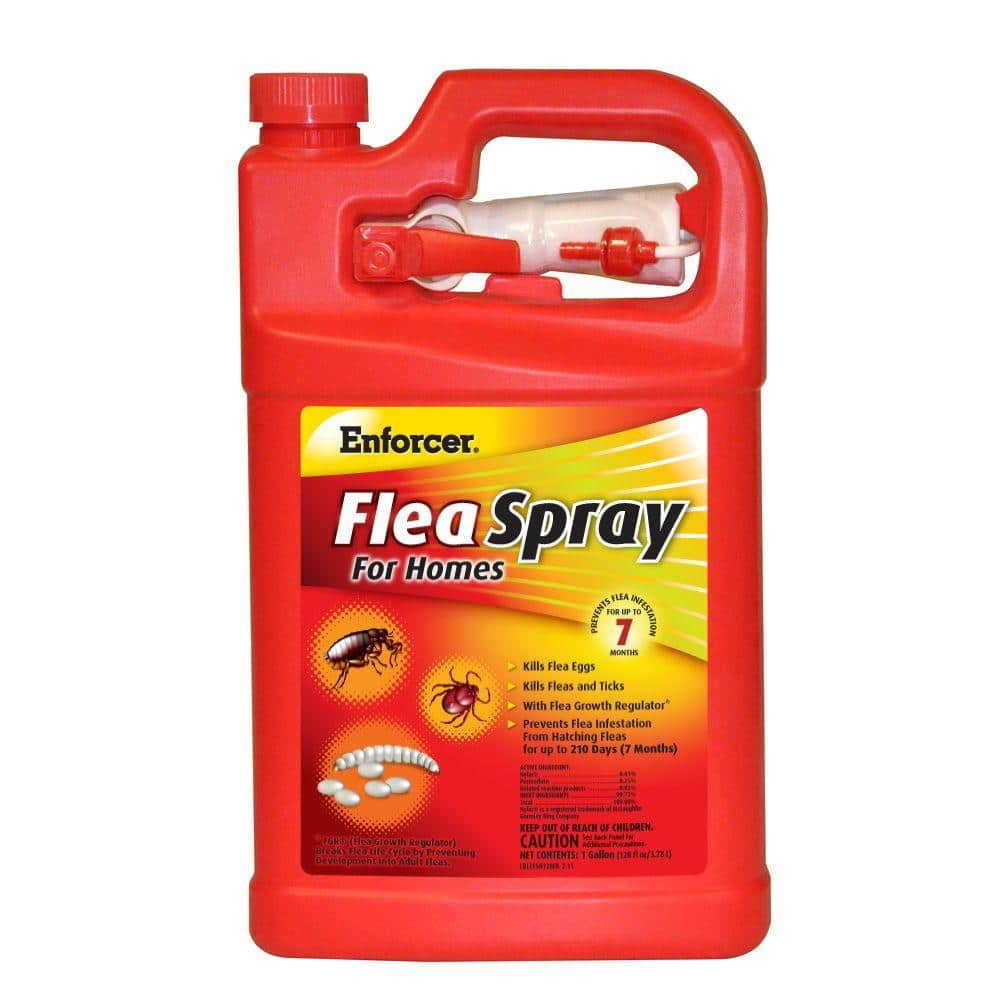
Many households prefer DIY flea spray options because they allow control over ingredients. A flea spray homemade solution typically combines water with natural components known for their scent or surface effects.
Popular base ingredients include:
-
White vinegar
-
Lemon or citrus peel extracts
-
Mild dish soap (used sparingly)
A homemade flea spray for home use is usually applied frequently rather than relying on a single treatment.
Essential Oils in Natural Flea Repellent Use
Essential oils are commonly discussed in relation to natural flea spray formulations. Oils such as lavender, peppermint, eucalyptus, and cedarwood are often cited for their strong scents, which fleas may avoid.
Some commonly referenced oils include:
-
Lavender oil
-
Cedarwood oil
-
Peppermint oil
-
Lemongrass oil
Organisations such as ASPCA advise that essential oils should be used with caution around pets, especially cats, and always diluted appropriately when used in home sprays.
Vinegar-Based Flea Spray Homemade Solutions
Vinegar is frequently included in homemade flea spray for house use due to its acidity and strong smell. While vinegar does not always act as a direct natural flea killer, it can help deter fleas from treated areas.
Vinegar-based sprays are often used on:
-
Hard floors
-
Skirting boards
-
Entry points
They are less commonly applied directly to delicate fabrics due to odour and material sensitivity.
Citrus-Based Natural Flea Spray Options
Citrus scents are another component often used in natural flea repellent solutions. Lemon-infused water sprays are commonly prepared at home by steeping citrus peels in hot water.
These sprays are typically used for:
-
Surface deterrence
-
Refreshing pet-free areas
-
Supplementing cleaning routines
Citrus-based sprays are valued more for their repellent effect than for flea elimination.
Baking Soda and Salt in Flea Control
While not sprays, baking soda and salt are sometimes used alongside natural flea spray for house routines. These substances are applied to carpets and left temporarily before vacuuming.
Their role is to:
-
Dry flea environments
-
Support physical removal through cleaning
These methods are usually combined with regular vacuuming rather than used alone.
Natural Flea Deterrent for House Maintenance
A flea deterrent for house use is most effective when part of ongoing maintenance. Fleas thrive in undisturbed areas, so reducing suitable environments is key.
Effective deterrent practices include:
-
Frequent vacuuming
-
Washing fabrics at high temperatures
-
Reducing clutter in floor areas
Natural sprays work best when paired with these habits.
Natural Flea Killer vs Repellent
It is important to understand the difference between a natural flea killer and a repellent. Many natural methods focus on discouraging flea activity rather than eliminating fleas instantly.
Natural flea killers may:
-
Affect flea survival over time
-
Reduce reproduction rates
Repellents aim to:
-
Make environments less attractive
-
Prevent fleas from settling
Both approaches can complement each other in household use.
Safety Considerations for Natural Flea Spray
When using natural flea spray for house applications, safety remains important. Even natural ingredients can cause irritation if misused.
Key safety considerations include:
-
Avoiding overuse of essential oils
-
Keeping sprays away from children’s reach
-
Ensuring good ventilation during application
Guidance from organisations such as CDC highlights the importance of proper household chemical use, including natural substances.
Natural Flea Spray in Pet-Friendly Homes
In homes with pets, flea management must consider both animals and indoor spaces. Homemade flea spray for home use is typically applied to environments rather than directly to pets unless specifically formulated for animal use.
Environmental sprays focus on:
-
Pet bedding
-
Floor surfaces
-
Resting areas
Pet-specific treatments should always follow veterinary guidance.
Frequency of Application
Natural flea sprays usually require more frequent application than chemical treatments. This is because natural ingredients tend to dissipate faster.
Typical application frequency may include:
-
Daily use during active flea periods
-
Weekly use for maintenance
-
After vacuuming or washing fabrics
Consistency plays a key role in effectiveness.
Seasonal Considerations in Flea Control
Flea activity often increases during warmer months. In both the UK and USA, spring and summer see higher indoor flea presence.
During peak seasons:
-
Natural flea repellent use may increase
-
Regular cleaning becomes more important
-
Entry points should be monitored
Preventive use of natural flea spray can help reduce seasonal spikes.
Effectiveness Expectations of Natural Flea Spray
Natural flea solutions offer gradual results. They are most effective when used early or as a preventive measure rather than as a response to severe infestations.
Households often use them to:
-
Maintain flea-free conditions
-
Reduce reliance on chemical treatments
-
Support professional interventions
Setting realistic expectations helps avoid frustration.
Environmental Impact of Natural Flea Control
One reason many households choose natural flea spray homemade solutions is reduced environmental impact. Plant-based ingredients generally break down more quickly than synthetic chemicals.
This approach aligns with environmentally conscious home maintenance practices common in the UK and USA.
Combining Natural Methods With Cleaning Routines
Natural flea control is most effective when integrated into cleaning schedules. Vacuuming removes fleas and eggs physically, while sprays help discourage re-infestation.
An integrated approach includes:
-
Vacuuming carpets and furniture
-
Washing pet fabrics regularly
-
Applying natural flea deterrents to key areas
This layered strategy improves overall results.
Storage and Shelf Life of Homemade Flea Spray
Homemade sprays typically have a shorter shelf life than commercial products. Most flea spray homemade mixtures are best used within one to two weeks.
Storing sprays in cool, dark conditions helps maintain effectiveness. Fresh preparation ensures consistency and safety.
Limitations of Natural Flea Spray for House Use
While beneficial, natural flea sprays have limitations. They may not eliminate established infestations and should not replace professional treatment when infestations are severe.
Natural methods are best viewed as:
-
Preventive tools
-
Supportive measures
-
Part of a broader strategy
Recognising these limits ensures appropriate use.
Natural Flea Repellent in Different Living Spaces
Natural flea sprays can be adapted for different areas of the home.
Examples include:
-
Light sprays for living rooms
-
Targeted application in pet areas
-
Limited use in kitchens and food zones
Tailoring use to space type improves safety and effectiveness.
Long-Term Household Flea Management
Long-term flea management relies on consistent habits rather than one-time treatments. Natural flea repellent methods support this approach by encouraging regular maintenance.
Over time, homes that combine cleaning routines with natural deterrents often experience fewer flea issues.
Conclusion
Using natural flea repellent and natural flea spray for house applications offers a practical approach to managing fleas in everyday living spaces. While these methods may not replace professional treatments in all cases, they play a valuable role in prevention, maintenance, and environmental care.
By understanding how DIY flea spray, homemade flea spray for home, and other natural deterrents work, households in the UK and USA can make informed decisions that support cleaner, more comfortable indoor environments without unnecessary chemical exposure.