Vine plants have long been appreciated for their ability to soften interiors, add vertical interest, and bring a sense of calm into living spaces. In homes across the UK and USA, indoor vine plants are increasingly used as natural design elements rather than just decorative greenery. Their trailing or climbing growth habit allows them to move beyond traditional pots, making them suitable for shelves, walls, windows, and hanging containers.
Unlike upright houseplants, vine house plants grow outward and downward, creating movement and flow. This growth pattern helps break up rigid lines often found in modern interiors. Whether placed in a small apartment or a larger home, vine plants indoor offer flexibility, adaptability, and visual balance.
This article explores the nature of indoor vining plants, how they grow, where they fit best indoors, and how proper care supports long-term health and appearance.
Understanding Indoor Vine Plants
A vine plant indoor typically grows with long, flexible stems that trail along surfaces or climb when support is available. These plants evolved to spread across forest floors or climb trees in search of light. When grown indoors, they adapt well to containers, shelves, and structural supports.
Indoor plants that vine are often chosen because they:
-
Occupy vertical rather than horizontal space
-
Adapt to various light conditions
-
Require relatively simple maintenance
-
Grow steadily rather than aggressively indoors
Their leaves may be heart-shaped, oval, glossy, or textured, depending on species. Over time, vines can reach several feet in length, making them ideal for layered plant displays.
Growth Habits of Vine Plants Indoors
Trailing and Climbing Forms
Most vines plants fall into one of two growth habits:
-
Trailing vines, which cascade naturally downward
-
Climbing vines, which use aerial roots or tendrils to attach to surfaces
Indoors, many climbing species behave like trailing plants unless given support. Trellises, moss poles, wall hooks, or simple strings can encourage upward growth.
Growth Rate and Longevity
The growth rate of indoor vine plants varies. Some grow quickly during spring and summer, while others develop at a slower pace. With consistent care, many vine houseplants can live for years, gradually becoming fuller and more established.
Regular pruning helps manage length and encourages branching, preventing plants from becoming sparse or leggy.
Popular Types of Indoor Vining Plants
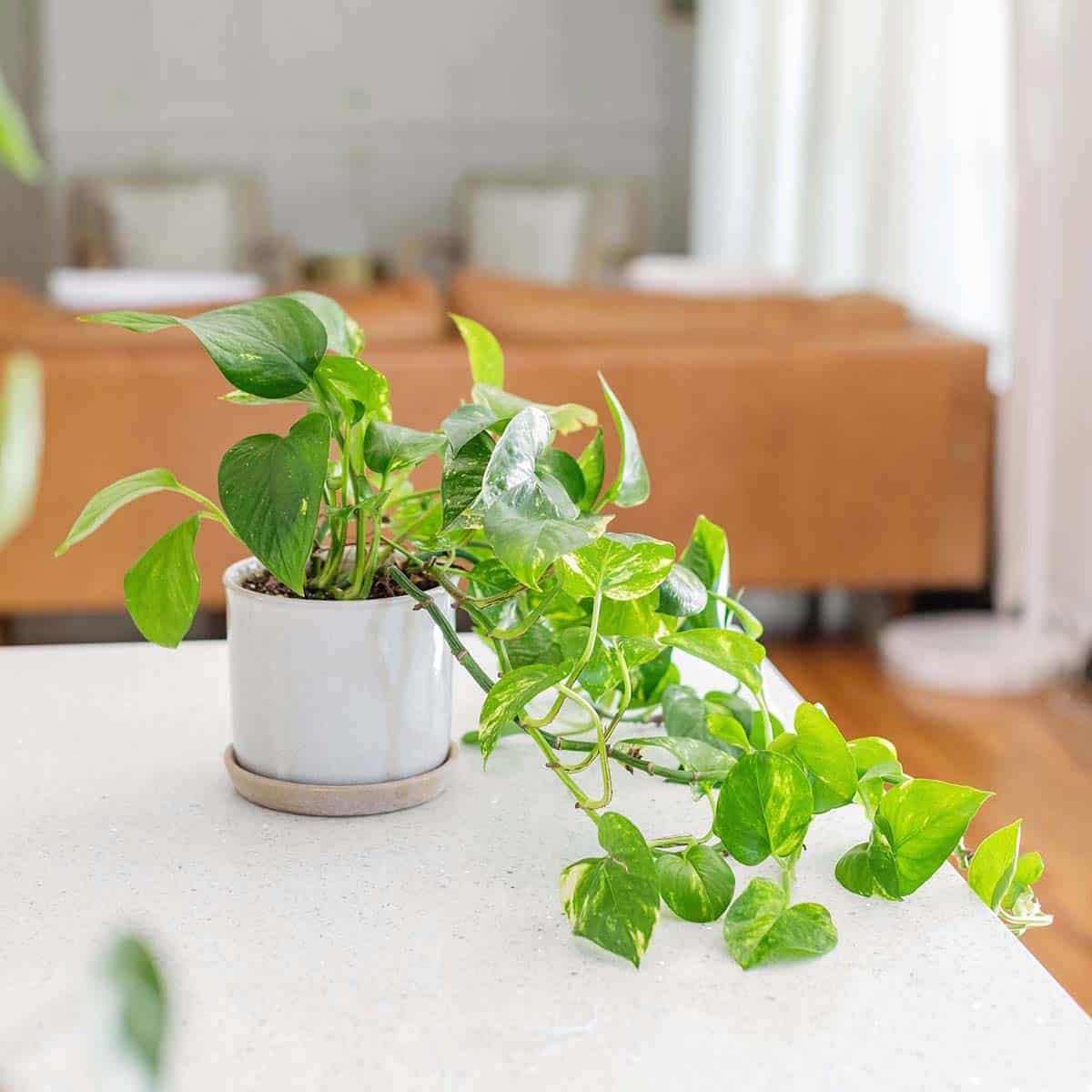


Several species are commonly grown as houseplant vines due to their resilience and adaptability.
Golden Pothos
Golden pothos is one of the most widely recognised indoor vine plants. Known for its heart-shaped green leaves with yellow or cream markings, it tolerates a wide range of light conditions. Its trailing stems make it suitable for shelves, hanging baskets, and cabinets.
Heartleaf Philodendron
This classic vine plant indoor features soft, heart-shaped leaves and flexible stems. It thrives in moderate indoor light and is valued for its consistent growth and tidy appearance.
Hoya Carnosa
Hoya plants are slower-growing but highly durable. Their thick, waxy leaves store moisture, making them tolerant of occasional missed watering. Some varieties produce fragrant flowers under suitable conditions.
English Ivy
English ivy is sometimes grown indoors as a trailing vine. While attractive, it prefers cooler rooms and bright, indirect light. Good air circulation helps maintain healthy foliage.
Placement of Vine Plants in the Home
Choosing the right location is key to maintaining healthy indoor vine plants.
Living Rooms and Open Areas
Living rooms provide space for vines to trail freely. Shelves, bookcases, and hanging planters allow vines to cascade naturally. Adequate light encourages fuller growth and richer leaf colour.
Kitchens and Bathrooms
Some vine indoor plants adapt well to kitchens and bathrooms where humidity is slightly higher. As long as light levels are sufficient, these environments can support steady growth.
Bedrooms and Workspaces
In bedrooms and offices, vine plants contribute to a calmer atmosphere. Compact trailing plants placed on shelves or desks help soften the space without becoming overwhelming.
Light Requirements for Indoor Vine Plants
Light is one of the most important factors influencing the health of vine plants indoor.
-
Bright, indirect light supports strong growth and leaf development
-
Medium light is tolerated by many species, though growth may slow
-
Low light conditions often result in longer stems with fewer leaves
Direct sunlight can scorch delicate foliage, especially near south-facing windows. Using sheer curtains or placing plants slightly away from windows helps balance light exposure.
Watering Needs of Vine House Plants
Proper watering supports consistent growth and prevents common issues.
General Watering Principles
Most indoor vining plants prefer evenly moist soil during active growth. However, roots should never sit in standing water. Allowing the top inch of soil to dry slightly between watering helps prevent root rot.
Seasonal Adjustments
During autumn and winter, growth slows. Watering frequency should be reduced accordingly. Overwatering during dormant periods is a common cause of plant stress.
Soil and Potting Considerations
Well-draining soil is essential for vine plant indoor success. A standard houseplant mix combined with perlite or coarse sand improves aeration and drainage.
Containers should always have drainage holes. As vines grow, repotting every one to two years allows room for root expansion and refreshes the soil.
Humidity and Indoor Air Conditions
Many vine house plants originate from tropical or subtropical regions. Moderate humidity supports healthy leaf development, especially in winter when indoor air becomes dry.
Ways to improve humidity include:
-
Grouping plants together
-
Using a shallow water tray nearby
-
Occasional misting, where appropriate
Avoid placing vine plants near radiators or heating vents, as dry air can cause leaf edges to brown.
Pruning and Training Vine Plants
Pruning is an important part of long-term vine plants indoor care. Trimming back long stems:
-
Encourages branching
-
Maintains shape
-
Prevents excessive trailing
Cuttings removed during pruning can often be propagated in water or soil, allowing gardeners to expand their collection.
Training vines using hooks, frames, or poles helps guide growth and keeps plants visually balanced.
Indoor Vines and Seasonal Growth Patterns
Most indoor plants that vine follow a seasonal rhythm:
-
Spring and summer: Active growth and new leaves
-
Autumn: Gradual slowing of growth
-
Winter: Rest period with minimal development
Understanding this cycle helps adjust watering, feeding, and pruning routines.
Fertilising Indoor Vine Plants
Light feeding supports healthy growth without overstimulation. A balanced liquid fertiliser applied every four to six weeks during the growing season is usually sufficient.
Over-fertilising can lead to weak growth or salt buildup in soil, which may damage roots. During winter, fertilising is generally unnecessary.
Common Issues Affecting Vine Indoor Plants
Yellowing Leaves
Yellow leaves may indicate overwatering, poor drainage, or insufficient light. Checking soil moisture and adjusting placement often resolves the issue.
Sparse or Leggy Growth
Long stems with few leaves suggest low light. Moving the plant to a brighter location encourages fuller growth.
Pests
Occasionally, vine house plants may attract pests such as spider mites or aphids. Regular inspection and good airflow help reduce risk.
Indoor Vine Plants and Interior Design
Beyond plant care, vine plants play a role in interior aesthetics. Trailing plants soften shelves, highlight architectural features, and add depth to neutral colour schemes.
In minimalist interiors, a single trailing vine creates a focal point. In more layered designs, multiple vines add texture and continuity across the space.
Environmental Benefits of Indoor Vines
While not a replacement for ventilation, indoor vine plants contribute positively to indoor environments by:
-
Supporting humidity balance
-
Adding natural texture and colour
-
Encouraging a connection to nature
Their presence often improves the perceived comfort of living and working spaces.
Long-Term Care and Maintenance
With consistent attention to light, water, and pruning, vine indoor plants remain attractive for many years. They adapt well to changing spaces and can be reshaped as interiors evolve.
Regular observation is key. Small adjustments made early prevent larger problems later.
Vine Plants and Indoor Air Circulation
When discussing vine plants indoor, it is also important to consider how their growth habit interacts with indoor air circulation. Unlike dense, bushy houseplants, indoor vine plants usually have spaced leaves along flexible stems. This structure allows air to move more freely around the plant, reducing the risk of stagnant moisture that can lead to fungal problems.
In well-ventilated rooms, vine house plants tend to develop stronger stems and healthier foliage. Proper airflow helps leaves dry evenly after watering and discourages pests that thrive in still, humid environments. Placing vine indoor plants near open living areas rather than enclosed corners supports balanced growth.
Vine Plants Indoor and Space Efficiency
One reason vine plants are increasingly chosen for modern homes is their efficient use of space. In smaller UK flats or urban US apartments, floor area is often limited. Indoor plants that vine grow vertically or trail downward, allowing greenery to exist without occupying valuable walking space.
Wall-mounted planters, floating shelves, and hanging pots are commonly used with vine plant indoor varieties. This approach keeps surfaces clear while still introducing natural elements. Even narrow rooms benefit from vine plants, as their growth direction can be guided rather than confined.
This space-saving quality makes houseplant vines suitable for:
-
Studio apartments
-
Home offices
-
Hallways and stairwells
-
Compact bedrooms
Leaf Structure and Texture in Vine Plants
The visual appeal of vine plants indoor is strongly influenced by leaf shape and texture. Some vines have thin, delicate leaves that create a light and airy look, while others develop thicker, more structured foliage.
Smooth, glossy leaves often reflect light, helping brighten interior spaces. Matte or textured leaves absorb light, adding depth and softness to a room. Mixing different indoor vining plants with contrasting leaf textures can create a layered, natural look without overwhelming the space.
Leaf size also affects maintenance. Smaller leaves dry faster and may need more consistent watering, while larger leaves retain moisture longer but may show dust more easily.
Vine House Plants and Light Direction
Light direction matters as much as light intensity for vine indoor plants. Plants placed near windows often grow toward the light source, causing uneven growth if not rotated. Turning pots every few weeks encourages balanced development.
For indoor vine plants placed on shelves, light usually comes from one side. In these cases, trailing stems naturally lean outward. This is not harmful, but rotating the plant helps maintain symmetry and prevents excessive stretching.
Artificial lighting can also support vine growth. In rooms with limited natural light, low-intensity grow lights help maintain leaf colour and steady development without encouraging overly fast growth.
Water Absorption and Root Health
Healthy roots are essential for maintaining strong vine plants indoor. Most vine species have fine, fibrous roots that absorb moisture efficiently but are sensitive to excess water.
Over time, compacted soil can restrict oxygen flow to roots. Loosening the soil surface gently and repotting when necessary improves aeration. Roots that receive both moisture and oxygen support steady vine growth and healthy foliage.
For vine house plants, root health often determines leaf quality. Weak or damaged roots may cause yellowing leaves, slowed growth, or leaf drop.
Vine Indoor Plants and Temperature Stability
Temperature consistency plays a major role in the long-term health of vine indoor plants. Sudden changes in temperature, such as cold drafts or direct heat exposure, can stress vines more than gradual seasonal changes.
Most indoor plants that vine prefer temperatures between 60°F and 75°F (15°C to 24°C). Short-term fluctuations are usually tolerated, but prolonged exposure to extremes can affect leaf health and growth rate.
Placing vine plants indoor away from doors, radiators, and air-conditioning vents helps maintain a stable environment.
Growth Direction and Visual Balance
The way vine plants grow can influence how a room feels visually. Trailing vines draw the eye downward, creating a sense of flow, while climbing vines guide attention upward.
Balancing growth direction prevents interiors from feeling cluttered. For example:
-
Trailing vines soften shelves and cabinets
-
Upright-trained vines add height to corners
-
Mixed growth directions create natural movement
Using supports discreetly allows vine indoor plants to grow in a controlled manner without losing their natural appearance.
Indoor Vine Plants and Seasonal Adjustments
Seasonal changes affect how vine plants indoor behave. Even indoors, plants respond to variations in daylight and humidity.
During spring and summer, growth is more active. Leaves may appear more frequently, and vines may lengthen quickly. This is the ideal time for pruning and shaping.
In autumn and winter, growth slows. Indoor vining plants may not produce new leaves as often, and water use decreases. Adjusting care routines during these months helps prevent stress and overwatering.
Vine Plants Indoor and Repotting Timing
Repotting is an important part of long-term vine plant indoor care. Signs that a plant may need repotting include:
-
Roots growing through drainage holes
-
Soil drying too quickly
-
Slower growth despite proper care
When repotting vine house plants, choosing a container only slightly larger than the previous one helps prevent water retention issues. Fresh soil provides new nutrients and improves structure.
Repotting is best done during active growth periods, usually spring or early summer.
Propagation and Renewal of Vine Plants
One advantage of indoor vine plants is how easily many of them can be propagated. Stem cuttings taken during pruning often root successfully in water or soil.
Propagation allows gardeners to:
-
Refresh older plants
-
Fill empty areas with new growth
-
Share plants without reducing the original display
This natural renewal process keeps vine plants looking full and healthy over time.
Vine House Plants in Multi-Plant Displays
Vine indoor plants work well in mixed plant arrangements. When paired with upright or compact plants, vines soften edges and connect different heights visually.
In group displays:
-
Place trailing vines at higher levels
-
Use upright plants as anchors
-
Allow space for natural movement
This layered approach mimics natural plant growth and enhances the overall indoor environment.
Maintenance Routines for Vine Plants Indoor
Consistency is more important than intensity when caring for vine plants indoor. Simple routines such as weekly checks for moisture, light exposure, and leaf condition help maintain plant health.
Wiping leaves occasionally removes dust and improves photosynthesis. Observing leaf colour and growth pattern provides early signs of stress.
Rather than frequent adjustments, gradual changes support stable growth for vine indoor plants.
Vine Plants and Adaptability to Interior Changes
One of the strengths of vine plants is their adaptability. As furniture arrangements or room functions change, vines can be relocated, retrained, or pruned to suit new layouts.
This flexibility allows indoor vining plants to remain relevant as interiors evolve. A vine that once trailed from a shelf may later be trained along a wall or window frame without harming the plant.
Long-Term Visual Impact of Vine Indoor Plants
Over time, vine house plants develop character. Mature vines create patterns that reflect their environment, light exposure, and care history.
Rather than appearing static, vine plants indoor change gradually, adding a sense of continuity to living spaces. Their evolving form often becomes part of a home’s identity.
This long-term presence makes vine plants more than decorative objects; they become integrated elements of interior design.
Vine Plants Indoor and Lifestyle Compatibility
Different lifestyles suit different plant types. Indoor vine plants are often chosen by people who prefer steady, manageable growth rather than frequent flowering or seasonal replacement.
Their predictable needs and forgiving nature make them compatible with busy schedules. With minimal intervention, vine indoor plants maintain a stable appearance and continue growing at a comfortable pace.
Vine Plants as Transitional Elements Indoors
Vines plants often act as transitional elements between spaces. A trailing vine near a doorway or open-plan area visually connects rooms without physical barriers.
This soft transition supports open layouts common in modern UK and US homes. Indoor plants that vine provide separation without enclosure, maintaining openness while adding structure.
Continuity of Care and Plant Longevity
Longevity in vine plants indoor comes from understanding their natural habits. Regular observation, modest pruning, and seasonal care adjustments support plants over many years.
Rather than aiming for rapid growth, steady development results in healthier, more attractive vines. This approach aligns with sustainable indoor gardening practices.
Conclusion
Vine plants offer a unique way to introduce greenery into indoor environments. Their trailing and climbing habits make them versatile, space-efficient, and visually engaging. From classic houseplant vines to slower-growing indoor climbers, these plants suit a wide range of interiors in the UK and USA.
By understanding the natural growth patterns of indoor vining plants and providing appropriate light, moisture, and care, they continue to enhance indoor spaces with subtle movement and lasting greenery.