Finding a dark, fast-moving insect indoors often leads to one immediate concern: cockroaches. However, many insects resemble cockroaches closely enough to cause confusion, especially in homes across the UK and the USA. These cockroach-looking bugs may share similar body shapes, colours, or behaviours, yet belong to entirely different insect groups with very different habits and risks.
Understanding bugs that look like cockroaches is important for accurate identification and appropriate response. Misidentifying a harmless beetle or outdoor insect as a roach can lead to unnecessary worry, while overlooking a true cockroach infestation can delay proper control measures. This article explores insects that look like roaches, explains why they are often mistaken for cockroaches, and highlights key differences that help clarify what bug resembles a cockroach.
Why So Many Bugs Look Like Cockroaches
Cockroaches have a distinctive appearance: flattened oval bodies, long antennae, and fast, darting movement. This general body structure is not unique to roaches. Many insects evolved similar shapes because they allow movement through narrow spaces such as leaf litter, bark, or soil.
In addition, many cockroach-looking bugs share:
-
Brown or black colouring
-
Hardened outer wings
-
Nocturnal behaviour
-
Preference for dark or sheltered environments
Because these traits overlap across multiple insect families, it is common to encounter bugs that look similar to roaches without being true cockroaches.
Key Features of True Cockroaches
Before examining beetles and other insects that resemble roaches, it helps to understand what defines an actual cockroach. Common indoor species in the UK and USA include German cockroach, American cockroach, and Oriental cockroach.
Typical cockroach characteristics include:
-
Long, thread-like antennae that extend beyond the body
-
Flattened bodies designed for squeezing into cracks
-
Rapid, erratic movement when disturbed
-
Wings that lie flat along the back (even if rarely used)
If an insect lacks several of these traits, it may belong to a different group altogether.
Beetles That Look Like Cockroaches
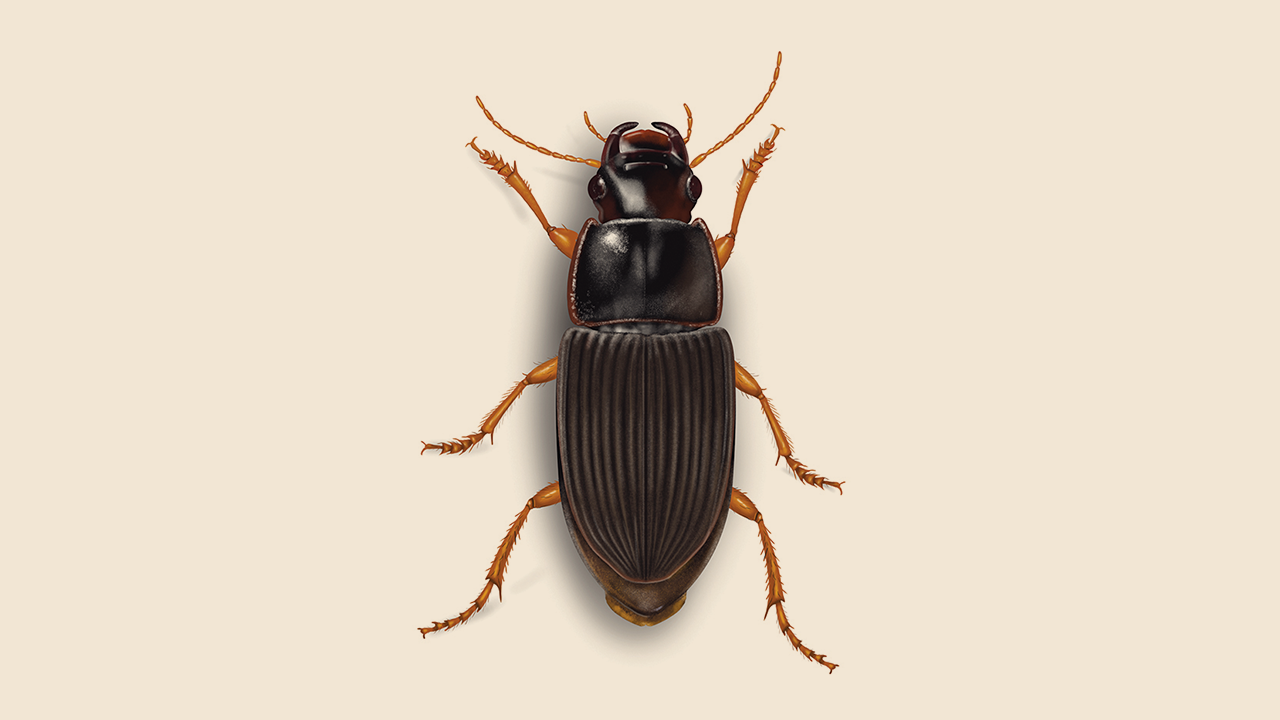


Beetles are among the most commonly mistaken insects when identifying cockroach-looking bugs. Several beetle species share a similar size, colour, and body shape, leading homeowners to assume the worst.
Ground Beetles
Ground beetles, such as members of the Carabidae family, are frequent sources of confusion. They are dark, elongated, and fast-moving, often appearing indoors by accident.
Unlike cockroaches, ground beetles:
-
Have shorter antennae
-
Possess hard wing covers (elytra)
-
Do not infest homes
They are beneficial outdoor insects that prey on garden pests and typically enter buildings only by mistake.
Darkling Beetles
Darkling beetles, including species in the Tenebrionidae family, are another example of beetles that look like cockroaches. Their dark colouring and slow, deliberate movement can resemble larger roaches.
Darkling beetles are more common in dry environments and storage areas. Unlike cockroaches, they do not multiply rapidly indoors or seek out moisture in the same way.
Bugs That Look Like Roaches but Are Not Beetles
Not all cockroach-looking bugs are beetles. Several other insect groups share physical similarities that can cause confusion.
Woodlice (Sowbugs)
Although very different biologically, woodlice are sometimes mistaken for cockroaches at a glance. They are crustaceans rather than insects, but their segmented bodies and preference for damp areas can lead to misidentification.
Key differences include:
-
Multiple visible body segments
-
Short antennae
-
Slow movement
Woodlice are harmless decomposers and do not indicate infestation.
Water Bugs and Roach Confusion
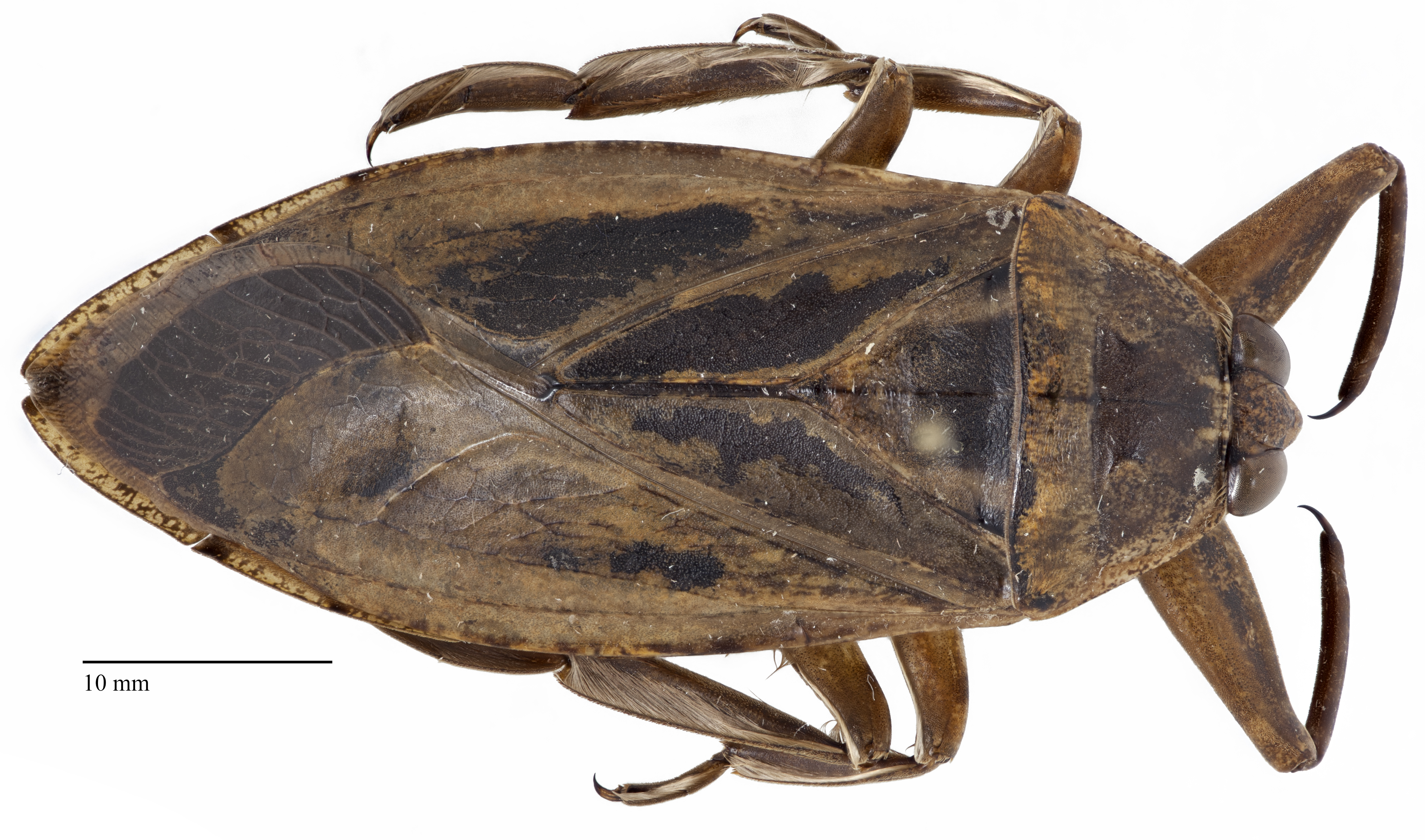

The term “water bug” is often used incorrectly to describe cockroaches. In reality, true water bugs belong to aquatic insect families such as Belostomatidae.
Water bugs differ from cockroaches in several ways:
-
They live in ponds and slow-moving water
-
They have strong front legs for grasping prey
-
They rarely enter homes except accidentally
Despite their size and brown colouring, water bugs do not infest buildings and pose no structural risk.
Crickets That Resemble Cockroaches
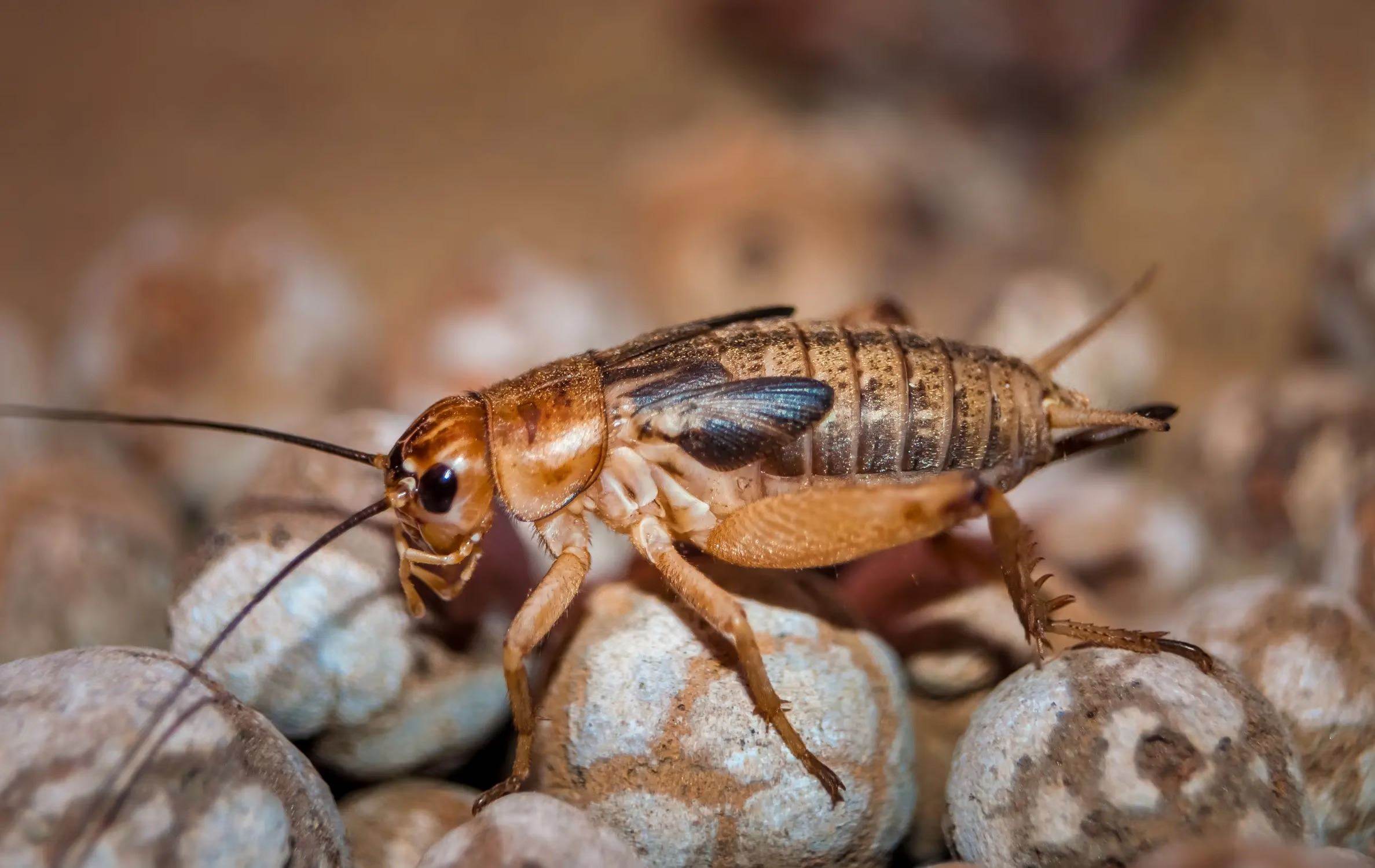
Certain cricket species may be mistaken for roaches, particularly when seen in low light. Camel crickets and field crickets share similar colouring and may appear unexpectedly indoors.
However, crickets have:
-
Enlarged hind legs for jumping
-
More cylindrical body shapes
-
Distinct chirping behaviour (in many species)
These traits distinguish them from true cockroach species.
Bugs That Look Like Cockroach Nymphs
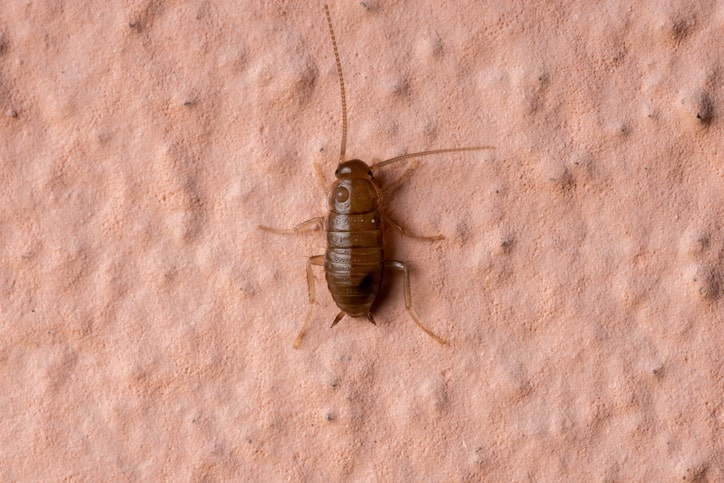
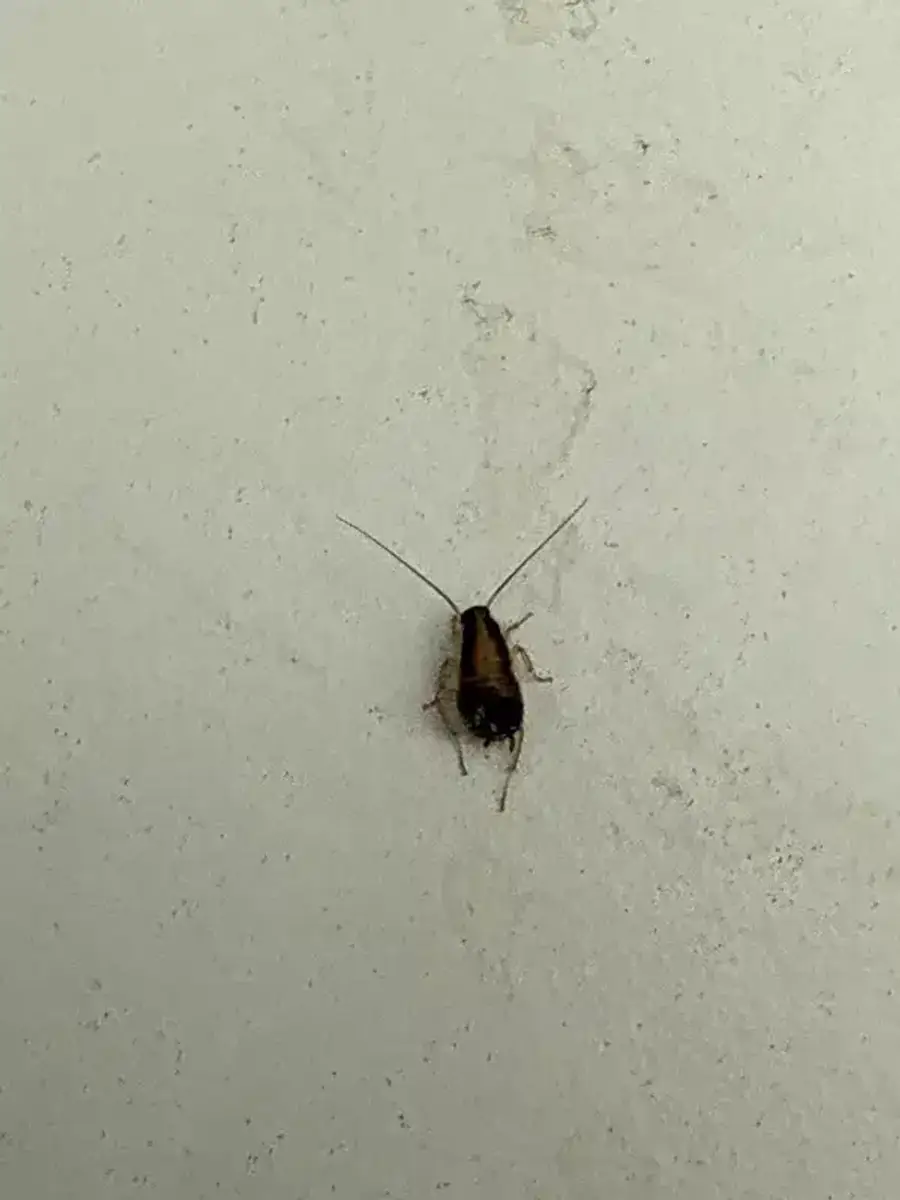
Young insects, known as nymphs, often add to identification confusion. Many beetle larvae and juvenile insects resemble small cockroaches before fully developing adult features.
Cockroach nymphs themselves are smaller, wingless versions of adult roaches. However, some beetle larvae and true bugs share similar sizes and colours, leading to the question: what is this bug that looks like a roach but has no wings?
Correct identification often depends on:
-
Antenna length
-
Body segmentation
-
Movement patterns
Wingless does not always mean juvenile cockroach.
Insects That Look Like Roaches in Different Regions
In the USA, warm climates support a wider range of insects that resemble cockroaches, especially in southern states. Outdoor beetles and water-associated insects are more likely to enter homes during dry or hot conditions.
In the UK, true cockroach sightings are less common, particularly in residential homes. As a result, many reported “roach sightings” turn out to be beetles or other harmless insects.
Understanding regional insect populations helps narrow down likely candidates when identifying a cockroach-looking bug.
Behavioural Differences That Aid Identification
Behaviour is often more telling than appearance. Cockroaches typically:
-
Scatter quickly when lights are turned on
-
Hide in kitchens, bathrooms, and wall voids
-
Appear repeatedly over time
In contrast, most insects that look like cockroaches:
-
Appear singly
-
Do not hide in groups
-
Are not associated with food or moisture sources
Repeated sightings in the same location strongly suggest a true cockroach issue rather than a look-alike insect.
Health and Structural Risks Compared
One reason cockroaches cause concern is their association with health risks. Species like the German cockroach are known to contaminate food surfaces and trigger allergies.
Most insects that resemble roaches do not pose these risks. Beetles, crickets, and water bugs do not reproduce indoors or spread pathogens in the same way.
This distinction highlights why accurate identification is essential before taking further action.
Why Misidentification Is So Common
Misidentification happens for several reasons:
-
Poor lighting conditions
-
Brief sightings
-
Stress or fear reactions
-
Limited familiarity with insect anatomy
The human brain often fills gaps quickly, especially when a known pest such as a cockroach is feared. As a result, many harmless insects are assumed to be roaches based on shape alone.
When Professional Identification Is Needed
In cases where insects are repeatedly found indoors, professional identification may be necessary. Pest control professionals and entomologists use physical traits, behaviour, and habitat clues to determine whether a true infestation exists.
In the USA, guidance often aligns with information from organisations such as the Centers for Disease Control and Prevention regarding pest-related health concerns. In the UK, environmental health departments provide similar resources.
Preventing Confusion and Future Sightings
Reducing the likelihood of encountering cockroach-looking bugs involves basic home maintenance:
-
Sealing entry points
-
Reducing outdoor lighting near doors
-
Managing moisture and organic debris
These measures discourage both cockroaches and harmless insects from entering living spaces.
Psychological Impact of Cockroach Look-Alikes
Even when an insect is harmless, the emotional response to a cockroach-looking bug can be significant. Fear and anxiety often persist until identification is confirmed.
Clear information and visual comparison help reduce unnecessary concern. Understanding that many insects resemble cockroaches but do not behave like them provides reassurance and supports informed decision-making.
Summary of Common Bugs That Look Like Cockroaches
In summary, insects often mistaken for cockroaches include:
-
Ground beetles
-
Darkling beetles
-
Water bugs
-
Crickets
-
Woodlice
Each of these differs from true cockroaches in anatomy, behaviour, and habitat.
Conclusion
Bugs that look like cockroaches are more common than many people realise, especially in homes across the UK and the USA. While their appearance can be unsettling, most cockroach-looking bugs are harmless and do not indicate infestation.
Understanding the differences between true cockroaches and look-alike insects such as beetles that look like cockroaches or water bugs helps answer common questions like what bug resembles a cockroach or what is this bug that looks like a roach. By focusing on behaviour, anatomy, and environment, accurate identification becomes much easier.
Whether the insect turns out to be a ground beetle, a darkling beetle, or another harmless species, recognising that not all insects that look like roaches are pests allows for calmer, more appropriate responses.