A retaining wall is a structural feature designed to hold back soil and manage changes in ground level. In residential gardens across the UK and the USA, retaining walls are commonly used to create level planting areas, stabilise sloped land, and improve drainage control. Beyond their functional role, retaining walls also contribute to the overall visual structure of a garden, helping to define spaces and create usable outdoor areas.
Garden wall retaining solutions range from simple, low-height constructions to more substantial cement retaining wall systems. The choice of materials, size, and layout often reflects budget considerations, site conditions, and long-term maintenance expectations. This article explores retaining wall concepts in depth, including garden retaining wall applications, low cost retaining wall ideas, and practical approaches to retaining a wall without adopting a promotional or instructional tone.
Understanding the Purpose of a Retaining Wall
The primary purpose of a retaining wall is to resist the lateral pressure of soil. When land is sloped or uneven, gravity naturally causes soil to move downhill. A retaining wall provides resistance to this movement, helping to prevent erosion, surface runoff issues, and loss of usable garden space.
In residential settings, retaining walls are often used to:
-
Create flat areas for planting or seating
-
Support raised garden beds
-
Protect foundations and pathways
-
Improve drainage on sloped properties
In the UK, retaining walls are frequently seen in terraced gardens and properties built on hillsides. In the USA, they are common in suburban landscapes, particularly in regions with rolling terrain or engineered housing developments.
Garden Retaining Wall Applications
Garden retaining wall structures play a dual role: they manage soil while shaping the landscape. A garden wall retaining system can be purely functional, decorative, or a combination of both. Low walls may define planting beds, while taller walls may support significant changes in elevation.
The placement of a garden retaining wall often reflects how the outdoor space is used. Walls near patios or walkways provide structural support and visual boundaries, while walls at the edge of the property manage slope transitions and drainage.
In both the UK and USA, planning considerations may apply to taller retaining walls. Local authorities often require assessment when walls exceed certain heights, particularly if they affect neighbouring land or public spaces. Guidance may reference standards set by organisations such as UK Building Regulations or local building departments in the USA.
Retaining Wall Height and Structural Considerations
The height of a retaining wall significantly affects its design and construction. Low-height walls, typically under one metre, are often used for decorative or minor landscaping purposes. These structures experience less soil pressure and can be built using a wider range of materials.
As wall height increases, so does the complexity of the design. Taller retaining walls require careful consideration of:
-
Soil type and load
-
Drainage behind the wall
-
Foundation depth
-
Structural reinforcement
Cement retaining wall designs are commonly used for higher loads due to their strength and durability. In both the UK and USA, engineering input may be required for walls above certain heights to ensure long-term stability and safety.
Affordable Retaining Wall Ideas for Residential Gardens
Affordable retaining wall ideas focus on balancing cost, durability, and visual appeal. Budget-conscious solutions often prioritise locally available materials and straightforward designs.
In many residential gardens, affordability is achieved through:
-
Using simple, straight wall layouts
-
Limiting wall height
-
Selecting materials that require minimal finishing
Low cost retaining wall ideas do not necessarily compromise on appearance. Natural textures, layered planting, and thoughtful placement can enhance even simple retaining structures. In smaller gardens, modest walls can have a significant impact on usability without extensive investment.
Inexpensive and Cheap Retaining Wall Concepts
Inexpensive cheap retaining wall ideas often rely on basic materials and efficient use of space. While the term “cheap” may suggest lower quality, many cost-effective retaining walls perform well when properly planned and installed.
Examples of low-cost approaches include:
-
Segmenting long walls into shorter sections
-
Combining retaining walls with planting terraces
-
Using uniform materials to reduce waste
In both the UK and USA, garden projects often adapt to site-specific conditions. Soil stability, access, and drainage all influence how inexpensive retaining wall ideas are applied in practice.
Low Cost Retaining Wall Ideas and Material Choices
Material selection plays a major role in determining overall cost. Common materials used for low cost retaining wall ideas include:
-
Concrete blocks
-
Poured cement
-
Stone or stone-effect units
Cement retaining wall options are particularly popular due to their structural reliability. While initial costs may be higher than some alternatives, cement walls often require less maintenance over time, making them a practical long-term solution.
In residential landscapes, combining materials can help manage costs. For example, a cement retaining wall base may be paired with decorative finishes or planting to soften its appearance.
Cement Retaining Wall Systems in Garden Design
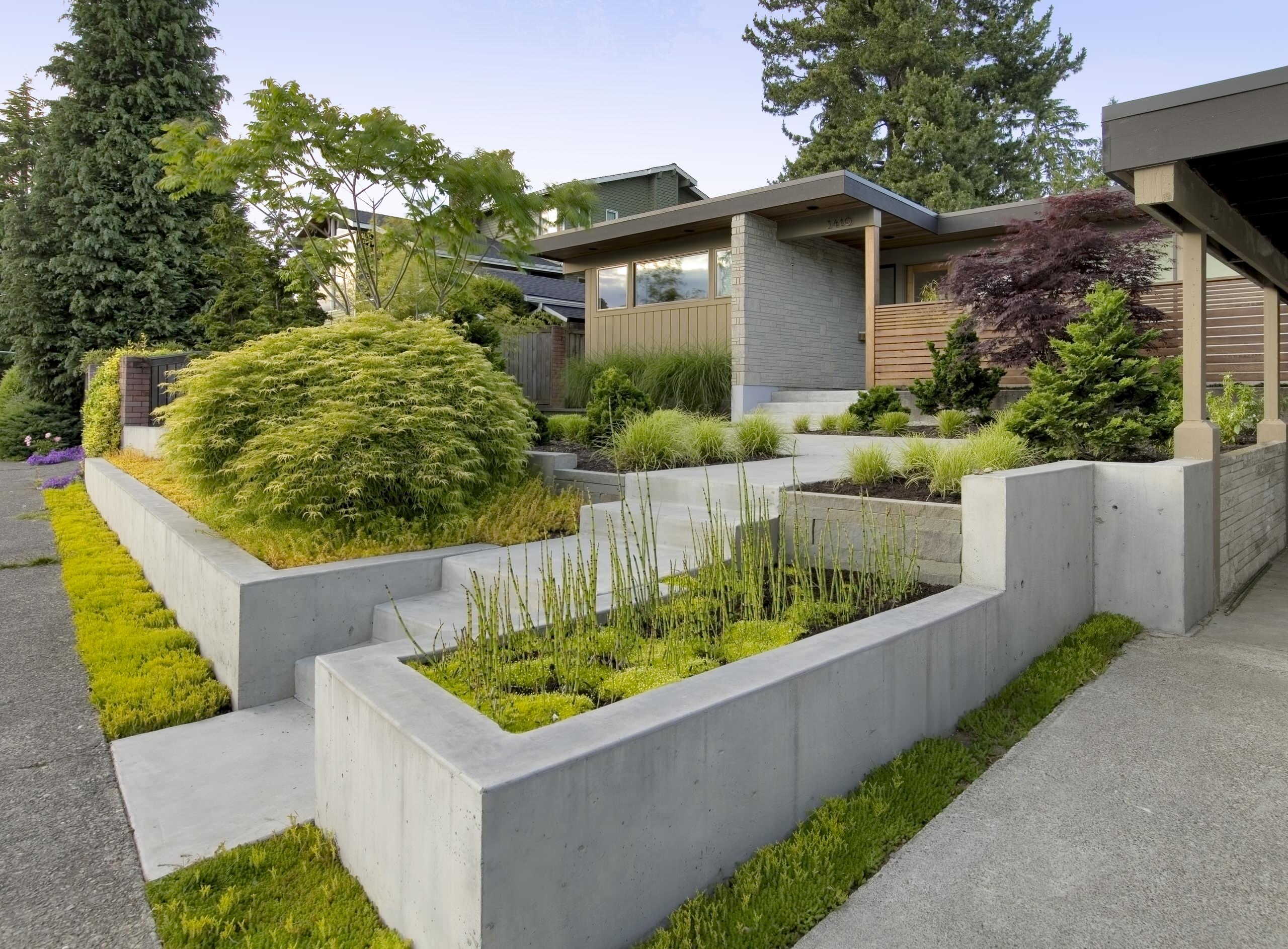

A cement retaining wall is one of the most durable options available for residential gardens. Its strength makes it suitable for supporting significant soil loads and coping with varied weather conditions common in both the UK and USA.
Cement walls are often used in:
-
Sloped gardens requiring major soil retention
-
Areas with heavy rainfall or poor drainage
-
Properties where long-term durability is a priority
From a visual perspective, cement retaining walls can be finished in multiple ways, including textured surfaces or neutral tones that blend with surrounding features. Their adaptability supports a wide range of garden styles, from modern to traditional.
Retaining a Wall and Managing Soil Pressure
To retain a wall effectively, attention must be given to how soil pressure is distributed. Soil expands when wet and contracts when dry, creating movement behind the wall. Proper design helps manage these forces and reduce stress on the structure.
Key considerations when retaining a wall include:
-
Incorporating drainage channels or gravel backfill
-
Allowing for expansion and contraction
-
Ensuring the wall is angled slightly back into the soil
Inadequate drainage is one of the most common causes of retaining wall failure. In both the UK and USA, where rainfall patterns vary, managing water flow is essential for long-term performance.
Garden Wall Retaining and Drainage Control
Drainage is closely linked to the success of any garden wall retaining system. Water trapped behind a wall increases pressure and can lead to cracking or movement over time.
Effective drainage solutions often include:
-
Perforated drainage pipes
-
Free-draining backfill materials
-
Weep holes to release excess water
These features are particularly important in cement retaining wall designs, where water pressure can build up quickly if not properly managed. In regions of the UK with heavy seasonal rainfall, drainage planning is especially critical.
Retaining Wall Ideas for Sloped Gardens
Retaining wall ideas for sloped gardens focus on maximising usable space while maintaining stability. Terraced retaining walls are a common approach, dividing a slope into manageable levels.
Terracing offers several advantages:
-
Reduced soil pressure on each wall
-
Improved planting opportunities
-
Enhanced visual depth
In the USA, terraced retaining walls are frequently used in hillside properties. In the UK, they are common in compact gardens where space efficiency is important.
Low Cost Retaining Wall Ideas and Sustainability
Low cost retaining wall ideas increasingly align with sustainable landscaping practices. Using durable materials reduces the need for frequent repairs, while thoughtful design minimises environmental impact.
Sustainable considerations may include:
-
Selecting materials with long lifespans
-
Reducing excavation where possible
-
Integrating planting to support biodiversity
In both the UK and USA, homeowners are increasingly aware of how garden structures affect drainage patterns and soil health. Retaining walls designed with these factors in mind contribute to more resilient landscapes.
Visual Impact of Retaining Walls in Garden Spaces
While retaining walls are functional, they also influence how a garden feels and flows. Straight walls create clean lines and formal structure, while curved or stepped walls add softness and movement.
Planting plays a significant role in reducing the visual weight of a retaining wall. Climbers, trailing plants, and layered borders can integrate the wall into the surrounding landscape.
In modern gardens, retaining walls are often used as backdrops for seating or water features, extending their role beyond soil retention alone.
Retaining Wall Maintenance and Longevity
Retaining walls are long-term structures, and their performance depends on regular observation and basic maintenance. Over time, signs such as cracking, bulging, or poor drainage may indicate underlying issues.
Routine checks may include:
-
Inspecting for surface cracks
-
Clearing drainage outlets
-
Monitoring soil movement
Cement retaining wall structures generally require less maintenance than lighter constructions, but no retaining wall is entirely maintenance-free. Addressing small issues early helps prevent larger structural problems.
Regulatory Considerations in the UK and USA
In the UK, retaining walls may be subject to building control regulations, particularly if they exceed certain heights or affect neighbouring properties. Local councils often reference guidance from UK Building Regulations when assessing such projects.
In the USA, retaining wall requirements vary by state and municipality. Local building departments often follow principles outlined by engineering standards and zoning rules. While smaller garden retaining walls may not require permits, larger structures often do.
Understanding local requirements is an important part of planning any retaining wall project, especially in residential settings.
Long-Term Performance of Garden Retaining Walls
A well-designed garden retaining wall can perform effectively for decades. Longevity depends on proper material selection, accurate construction, and adequate drainage.
In both the UK and USA, climate influences performance. Freeze-thaw cycles, heavy rainfall, and temperature extremes all affect how retaining walls age. Choosing materials and designs suited to local conditions improves durability.
Retaining walls that are integrated thoughtfully into the landscape tend to age more gracefully, blending into the garden rather than appearing as isolated structures.
Conclusion
Retaining walls are essential elements in many residential landscapes, providing structural support while shaping outdoor spaces. From garden wall retaining systems to cement retaining wall constructions, these features help manage slopes, control soil movement, and create functional garden areas.
Affordable retaining wall ideas and low cost retaining wall approaches demonstrate that effective solutions do not require excessive complexity. By focusing on proportion, drainage, and material suitability, it is possible to retain a wall successfully while maintaining visual harmony.
Across the UK and the USA, garden retaining wall designs continue to evolve in response to changing landscape needs. Whether addressing steep terrain or enhancing garden layout, retaining walls remain a practical and enduring component of residential outdoor design.