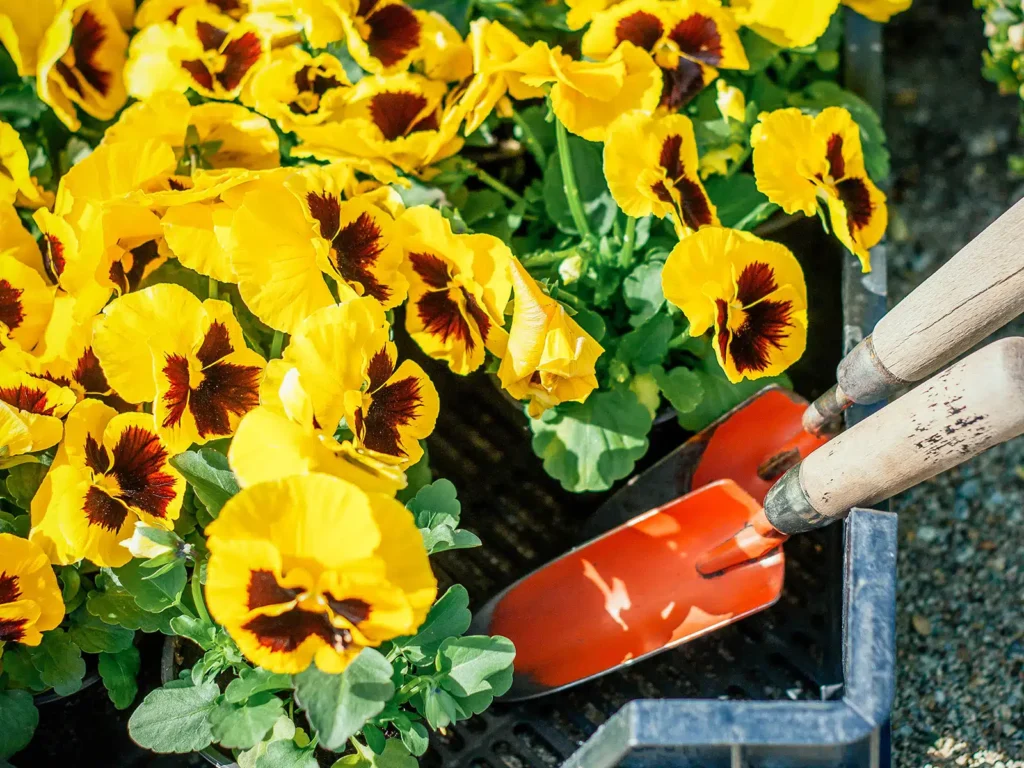
Snapdragons have held a consistent place in ornamental gardens across the UK and the USA for generations. Recognised for their upright flower spikes, distinctive blooms, and wide colour range, snapdragons flowers are commonly seen in borders, containers, and mixed planting schemes. Botanically known as antirrhinum, these plants combine visual structure with adaptability, making them suitable for both traditional and modern garden styles.
Often referred to interchangeably as snapdragon plant or antirrhinum plant, they are valued for their long flowering season and ability to perform in cooler temperatures. This article explores snapdragons in depth, covering their botanical background, growth habits, flowering characteristics, seed development, and long-term performance, while also addressing common questions such as whether snapdragons are perennial flowers in UK and USA climates.
Botanical Identity and Origins
Snapdragons belong to the genus Antirrhinum majus, a member of the Plantaginaceae family. The name “antirrhinum” comes from Greek, meaning “like a nose,” a reference to the flower’s shape. When gently squeezed, the blooms open and close like a mouth, which led to the popular name “snapdragon.”
Native to the Mediterranean region, snapdragon plants have adapted well to temperate climates. Their natural preference for mild temperatures explains their strong performance in spring and autumn across much of the UK and many parts of the USA.
Over time, selective breeding has expanded the range of snapdragon varieties, resulting in plants that differ in height, colour, and seasonal tolerance. These developments have reinforced the role of snapdragons as versatile ornamental plants.
Growth Habit and Structural Characteristics
Snapdragon plants display an upright, clump-forming growth habit. Depending on the variety, they may grow as compact edging plants or tall specimens reaching over one metre in height. This range allows snapdragons to be placed throughout the garden, from the front of borders to central or background positions.
Stems are typically sturdy and upright, supporting vertical flower spikes that emerge above narrow, lance-shaped leaves. The foliage is usually medium green and slightly glossy, providing a neutral background that highlights the brightly coloured flowers.
In mixed plantings, snapdragons add vertical rhythm, breaking up lower-growing plants and contributing to layered garden designs. Their strong form also makes them suitable for cut flower use, where long stems and dense blooms are preferred.
Snapdragon Flowers and Colour Diversity
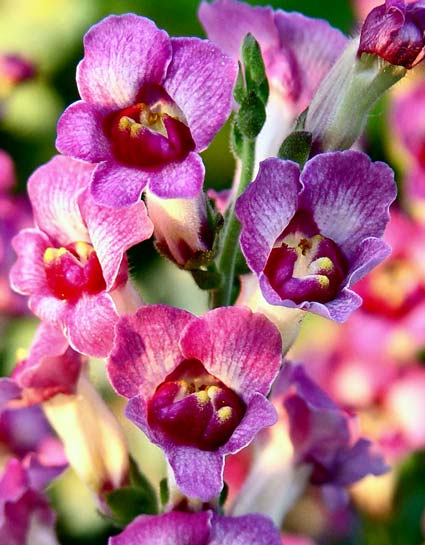
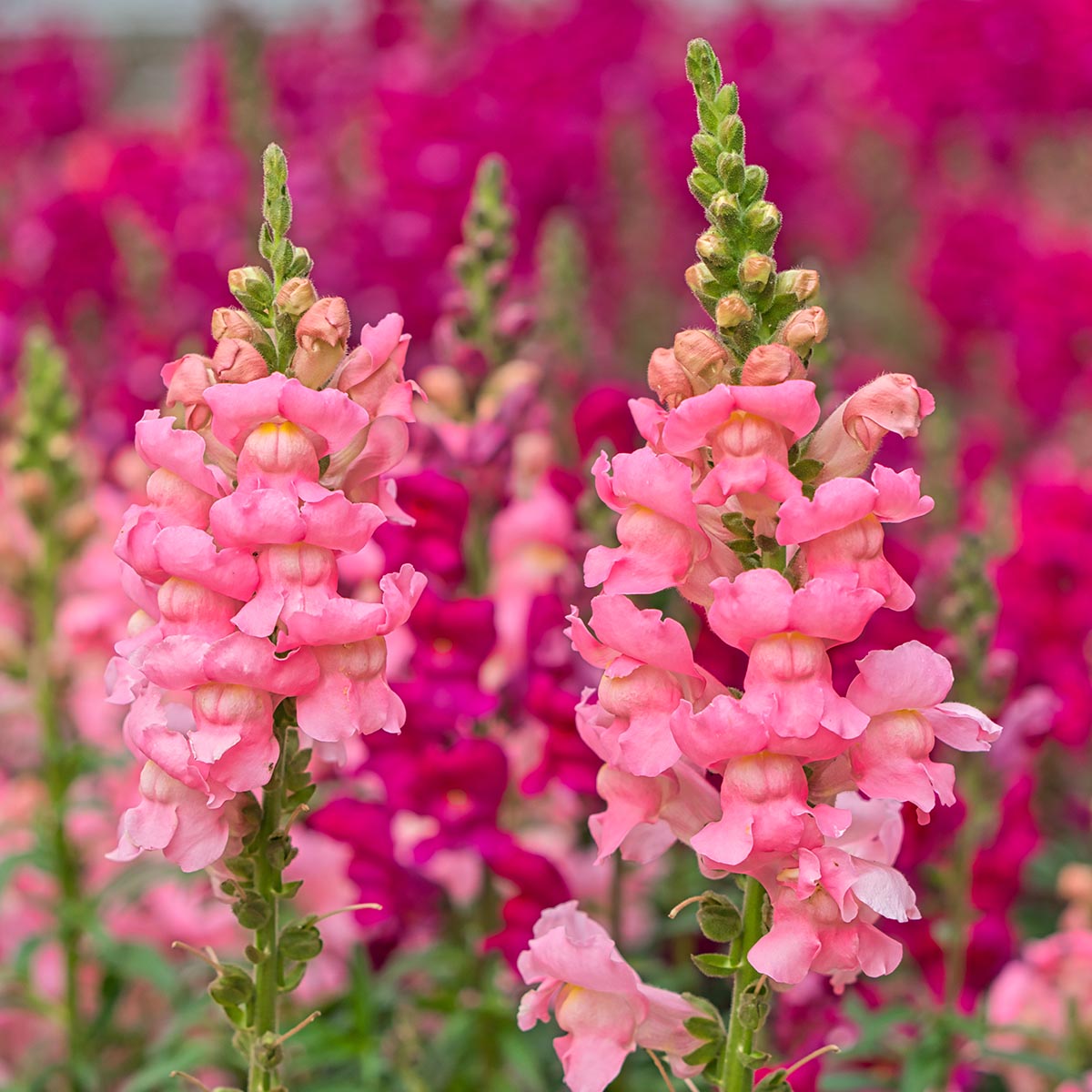

Snapdragons flowers are known for their distinctive shape and vibrant colours. Blooms are tubular, with upper and lower “lips” that form the characteristic snapping motion. Flowers are arranged closely along vertical spikes, creating dense, eye-catching displays.
Colour options include white, cream, yellow, pink, red, orange, purple, and bi-colour combinations. Many varieties also feature subtle shading or contrasting throats, adding depth to the floral display.
Flowering typically begins in late spring and continues through summer, with a pause during periods of extreme heat in some regions of the USA. In cooler conditions, particularly in the UK, snapdragons often bloom continuously into early autumn.
Seasonal Performance and Climate Adaptation
Snapdragons are well suited to the temperate climates of the UK and large parts of the USA. They perform best in cool to moderate temperatures and are often among the first annuals to flower in spring.
In mild winters, snapdragon plants may survive and regrow, leading to the common question: are snapdragons perennial flowers? Botanically, snapdragons are short-lived perennials, but they are most often grown as annuals. In warmer regions of the USA and sheltered UK gardens, they may overwinter and return the following year, though flowering is usually strongest in the first season.
Their tolerance of light frost extends their usefulness beyond many other flowering plants. This resilience makes them valuable for extending colour into cooler parts of the growing season.
Planting Antirrhinum in Garden Spaces
Plant antirrhinum selections are commonly used in borders, raised beds, and containers. Their adaptability allows them to integrate into a wide range of planting styles, from formal cottage gardens to contemporary designs.
Spacing depends on the variety, with taller snapdragon plants requiring more room for air circulation. Adequate spacing supports healthy growth and reduces the risk of fungal problems, particularly in damp UK summers.
In containers, snapdragons are often combined with trailing or mounding plants to create balanced arrangements. Their upright form adds height and contrast to mixed displays.
Soil Preferences and Root Development
Snapdragon plants prefer fertile, well-drained soil with moderate moisture retention. Loose, organic-rich soil supports strong root development and steady growth. In heavier soils, improving drainage with compost or grit is beneficial.
Root systems are relatively shallow but fibrous, allowing plants to establish quickly after planting. This characteristic supports both garden and container cultivation.
In the UK, where rainfall can be frequent, good drainage is particularly important. In drier regions of the USA, maintaining even soil moisture during establishment supports healthy flowering.
Light Requirements and Placement
Snapdragons perform best in full sun to partial shade. In cooler climates, full sun encourages compact growth and abundant flowering. In warmer regions, light afternoon shade may help protect plants from heat stress.
Insufficient light often results in elongated stems and fewer flowers. Selecting appropriate placement based on local conditions improves overall plant performance and visual impact.
In urban gardens and balconies, snapdragons adapt well to sunny exposures, making them suitable for small-scale planting.
Watering and Nutrient Needs
Snapdragon care includes consistent watering, particularly during dry periods. Soil should remain evenly moist but not waterlogged. Overwatering can lead to root problems, while prolonged dryness may reduce flower production.
Regular feeding with a balanced fertiliser supports continuous blooming. In many UK and USA gardens, incorporating compost into the soil provides sufficient nutrients for much of the season.
Mulching around the base of plants helps retain moisture and regulate soil temperature, supporting steady growth.
Snapdragon Seeds and Reproduction
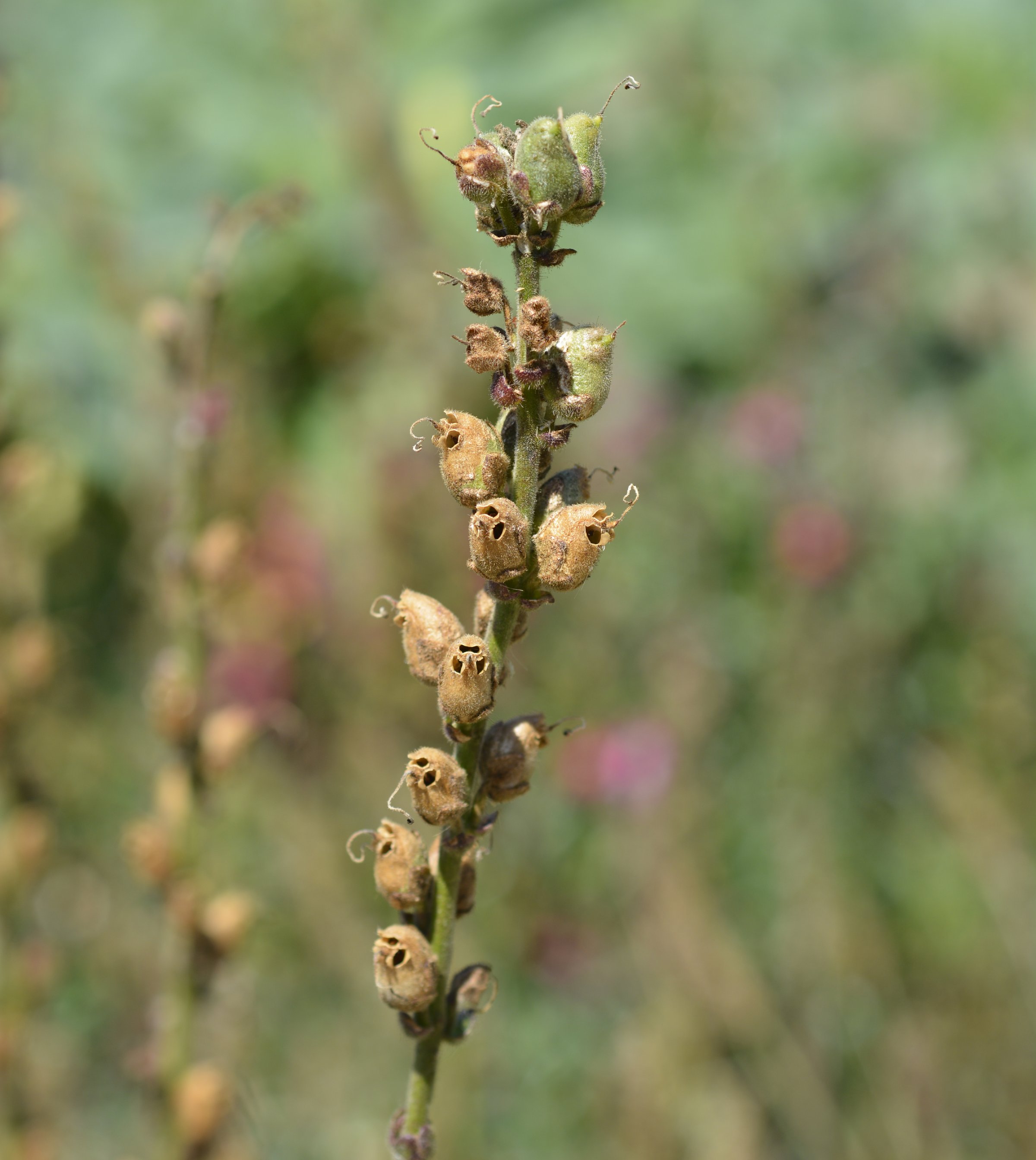
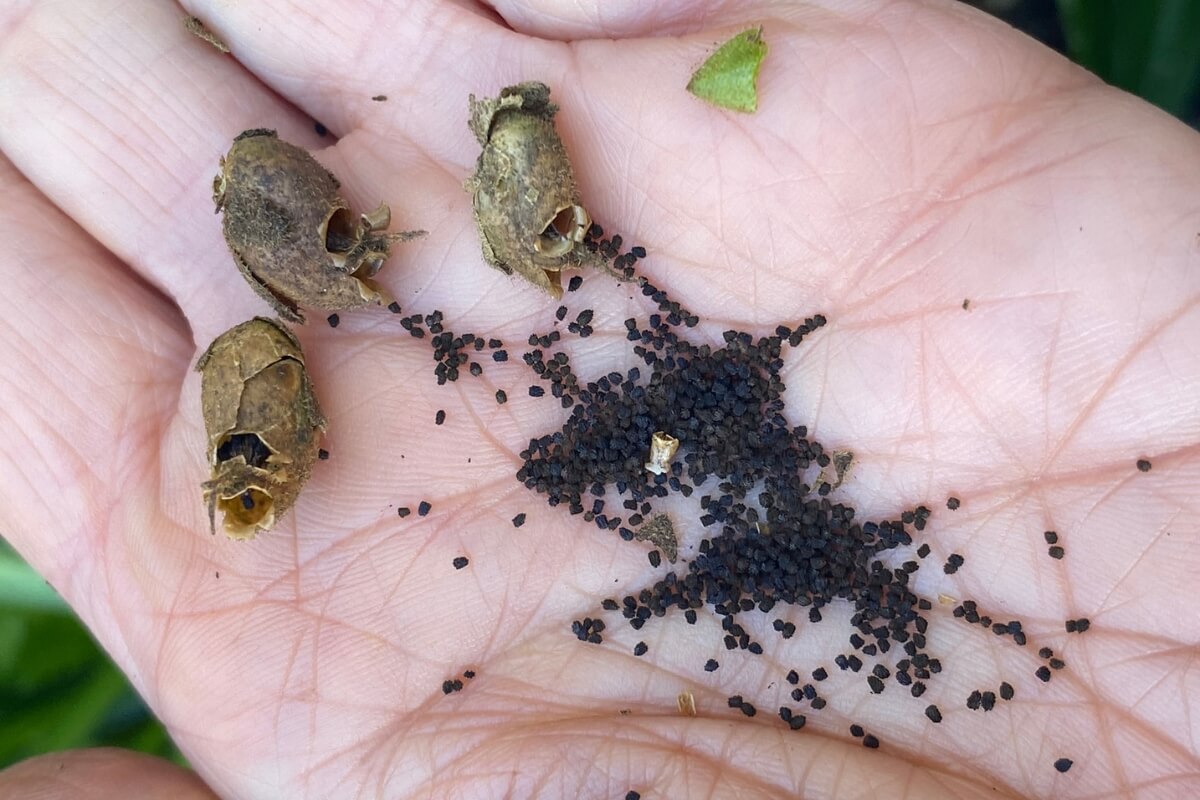

Snapdragon seeds are small and produced in rounded seed pods that develop after flowering. When mature, these pods release fine, dust-like seeds that can disperse naturally or be collected for propagation.
Seed-grown snapdragons often show variation in colour and height, particularly if hybrid varieties are involved. This variability adds interest to informal garden settings.
In both the UK and USA, snapdragon seeds may self-sow under favourable conditions, leading to volunteer plants in subsequent seasons. These self-sown plants often display increased hardiness compared to first-generation seedlings.
Antirrhinum Plant Care and Maintenance
Antirrhinum care focuses on supporting prolonged flowering and maintaining plant health. Removing spent flower spikes encourages the development of new blooms and extends the flowering period.
Taller varieties may benefit from staking in exposed locations, particularly in windy areas of the UK or open landscapes in the USA. Proper support prevents stem damage and maintains an upright appearance.
As plants age, lower leaves may yellow and drop. This process is part of natural growth and does not usually indicate a serious problem.
Pests and Common Challenges
Snapdragons are generally resilient but may occasionally experience pest or disease issues. Aphids can appear on young growth, particularly in warm conditions. Good air circulation and balanced watering reduce the likelihood of infestations.
Fungal diseases such as rust may occur in damp environments. Selecting resistant varieties and avoiding overcrowding helps manage this risk.
Despite these challenges, snapdragon plants remain relatively low-maintenance compared to many flowering species.
Role of Snapdragons in Garden Design
Snapdragons contribute both colour and structure to garden compositions. Their vertical lines contrast with rounded or spreading plants, creating visual balance. In cottage-style gardens, they blend naturally with other traditional flowers, while in modern designs, their form provides architectural interest.
In public landscapes across the USA and UK, snapdragons are frequently used in seasonal displays due to their predictable growth and strong visual impact. Their long-lasting flowers make them suitable for high-traffic areas.
Snapdragons are also valued as cut flowers. Their long stems and gradual opening of blooms allow them to last well in arrangements.
Ecological and Cultural Significance
Snapdragons flowers attract pollinators such as bees, which are able to open the blooms to access nectar. This interaction supports garden biodiversity, particularly in early and late seasons when fewer flowers are available.
Culturally, snapdragons have been associated with symbolism related to strength and grace. Their long history in ornamental gardening reflects their enduring appeal.
The genus Antirrhinum continues to be an important part of horticultural breeding programs, supporting ongoing development of improved varieties.
Longevity and Seasonal Transition
Although often treated as annuals, snapdragons demonstrate flexibility in their life cycle. In mild climates, they may persist beyond a single season, blurring the line between annual and perennial use.
As temperatures rise in mid-summer, flowering may slow, particularly in hotter regions of the USA. With the return of cooler weather, plants often resume blooming, extending their seasonal value.
This adaptability supports their continued use in gardens seeking extended colour and reliable performance.
Conclusion
Snapdragons remain a valued component of gardens across the UK and the USA due to their distinctive form, rich colour range, and adaptability to cool and moderate climates. Whether referred to as snapdragon plant or antirrhinum plant, they provide consistent visual interest and structural balance in a variety of settings.
From the botanical identity of Antirrhinum majus to practical considerations such as snapdragon seeds, antirrhinum care, and the question of whether snapdragons are perennial flowers, these plants offer depth beyond their familiar appearance.
Their ability to combine ease of growth with strong ornamental value ensures that snapdragons flowers continue to play a meaningful role in seasonal planting schemes, supporting gardens that value resilience, colour, and classic design elements.