Hardy hibiscus plants have become an important feature in many residential and public landscapes across the UK and the USA. Known for their large, showy blooms and strong seasonal growth, these plants offer visual impact while remaining well adapted to temperate climates. Unlike tropical hibiscus, hardy hibiscus survives cold winters and returns each year, making it a dependable perennial choice for gardeners seeking long-term structure and colour.
The hibiscus plant family is diverse, but hardy types stand out for their ability to combine dramatic flowers with resilience. Their flowers, often compared to dinner plates in size, bring a bold presence to garden beds, borders, and naturalistic planting schemes. This article explores perennial hibiscus in detail, covering its botanical background, growth habits, flower characteristics, and commonly grown hardy hibiscus varieties suited to UK and US conditions.
Understanding the Hardy Hibiscus Plant
Hardy hibiscus refers to a group of perennial hibiscus species that die back to the ground in winter and regrow in spring. The most widely cultivated species is Hibiscus moscheutos, commonly known as rose mallow or swamp hibiscus. Native to North America, this species naturally thrives in wetlands, riverbanks, and moist meadows, which explains its tolerance for heavy soils and fluctuating moisture levels.
The term “hardy hibiscus plants” is sometimes confused with tropical hibiscus, but the two differ significantly. Hardy hibiscus is bred for outdoor survival in cooler regions, including USDA hardiness zones 4 to 9 and equivalent UK climate zones. These plants can withstand frost and snow, provided they are planted in appropriate soil and given enough time to establish.
From a botanical perspective, the hibiscus plant belongs to the Malvaceae family. This group also includes hollyhocks and mallows, which share similar flower structures. The overlapping petals, prominent staminal column, and wide colour range make hibiscus flowers instantly recognisable.
Growth Habit and Seasonal Behaviour
Perennial hibiscus follows a predictable growth cycle. In early spring, new shoots emerge later than many perennials, which sometimes leads gardeners to assume the plant has not survived winter. However, once temperatures stabilise, growth becomes rapid. By early summer, sturdy stems support dense foliage, and buds begin to form.
Mature plants can reach heights of 1.2 to 2 metres, depending on the variety and growing conditions. Their broad, heart-shaped leaves provide a lush, shrub-like appearance even before flowering begins. As autumn approaches, blooming slows, foliage yellows, and the plant gradually enters dormancy.
This seasonal rhythm makes hardy hibiscus useful in mixed borders, where it complements early-flowering perennials and later summer bloomers. Its late emergence also reduces the risk of frost damage to new growth, a practical advantage in unpredictable spring climates across the UK and northern USA.
Hibiscus Flowers and Visual Characteristics
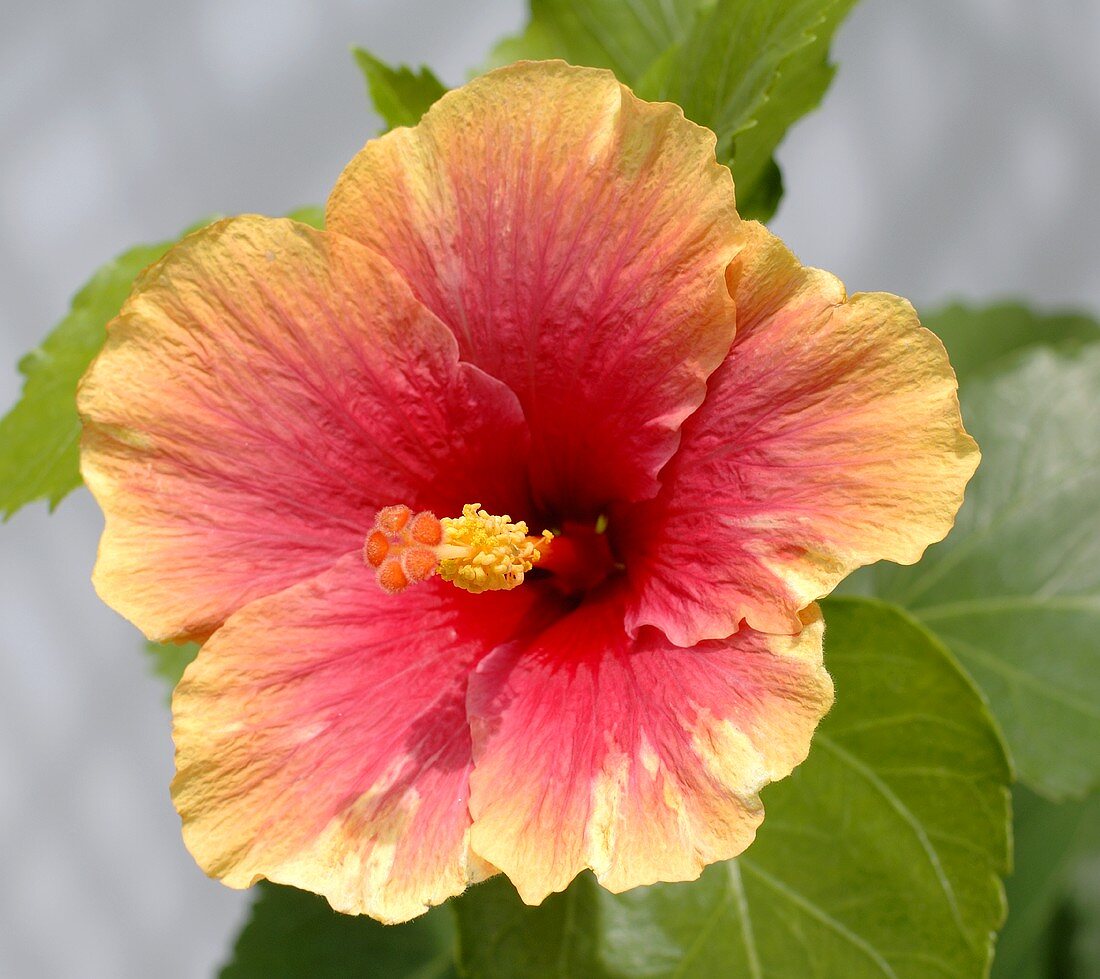
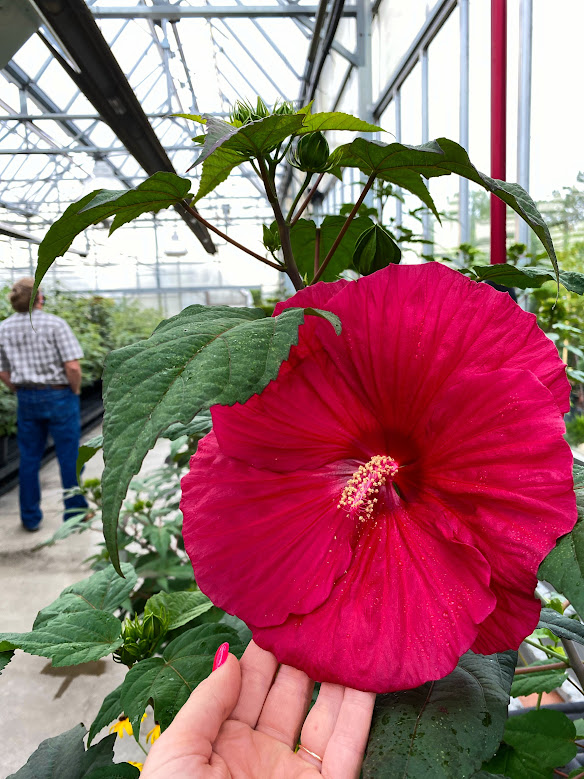
Hibiscus flowers are the primary reason for the plant’s popularity. Each bloom typically lasts one to two days, but the plant produces flowers continuously over several weeks, ensuring a long display period. Individual flowers often measure 15 to 25 centimetres across, making them among the largest blooms found on herbaceous perennials.
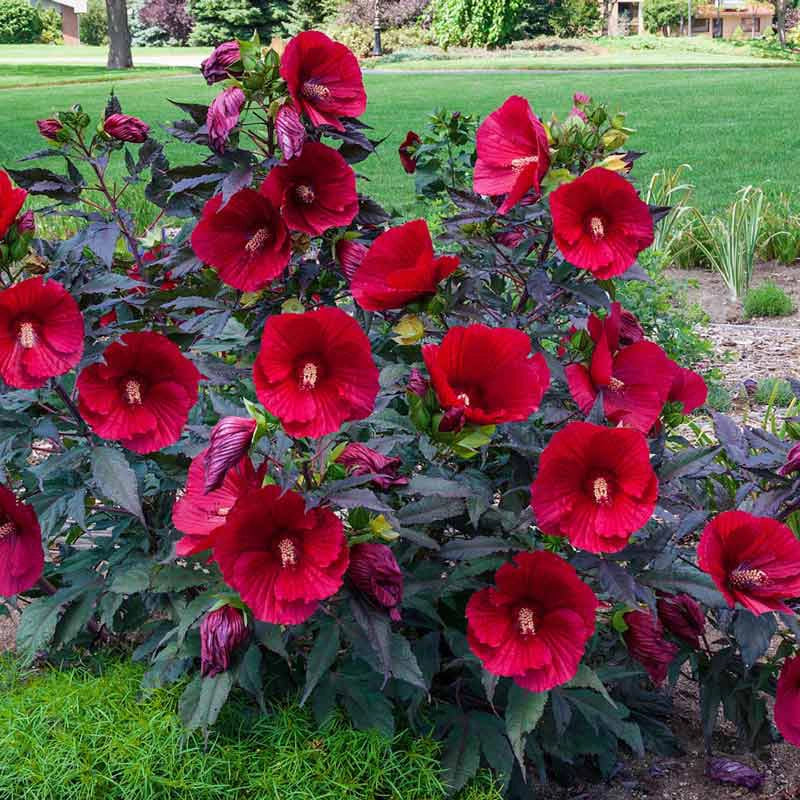
Colour variation is extensive. Shades include white, pale pink, rose, deep crimson, and bicolour combinations with contrasting centres. The red hibiscus, in particular, is highly valued for its strong visual contrast in green landscapes. Many red-flowering varieties also feature darker foliage, which enhances the intensity of the blooms.
The structure of hibiscus flowers is both decorative and functional. The central column of stamens attracts pollinators such as bees and butterflies, supporting garden biodiversity. In warmer regions of the USA, hibiscus plants are also visited by hummingbirds, adding ecological interest beyond aesthetics.
Planting Hibiscus Plants in Garden Settings
Planting hardy hibiscus plants requires consideration of sunlight, soil, and spacing. These plants perform best in full sun, where they receive at least six hours of direct light daily. While they can tolerate partial shade, insufficient sunlight often results in fewer flowers and slower growth.
Soil quality plays a major role in long-term performance. Hardy hibiscus prefers rich, well-drained soil with consistent moisture. Although it tolerates heavier clay soils better than many perennials, waterlogged conditions during winter should be avoided. In the UK, improving drainage with organic matter can help protect roots during wet seasons.
Spacing is another important factor. Because perennial hibiscus plants grow wide and tall, they require room to develop without competition. Adequate spacing also improves air circulation, reducing the risk of fungal issues during humid summers.
Water and Nutrient Requirements
The natural habitat of Hibiscus moscheutos explains its relatively high water needs. During active growth and flowering, consistent watering supports large blooms and healthy foliage. In the USA, especially in warmer states, supplemental irrigation is often necessary during dry periods.
In cooler or wetter UK climates, watering requirements may be lower, but soil should never dry out completely during summer. Mulching around the base helps retain moisture, regulate soil temperature, and suppress weeds.
Nutrient-rich soil contributes to vigorous growth. A balanced fertiliser applied in spring and early summer supports bud formation and stem development. Excessive nitrogen should be avoided, as it encourages leafy growth at the expense of flowers.
Hardy Hibiscus Varieties and Cultivars
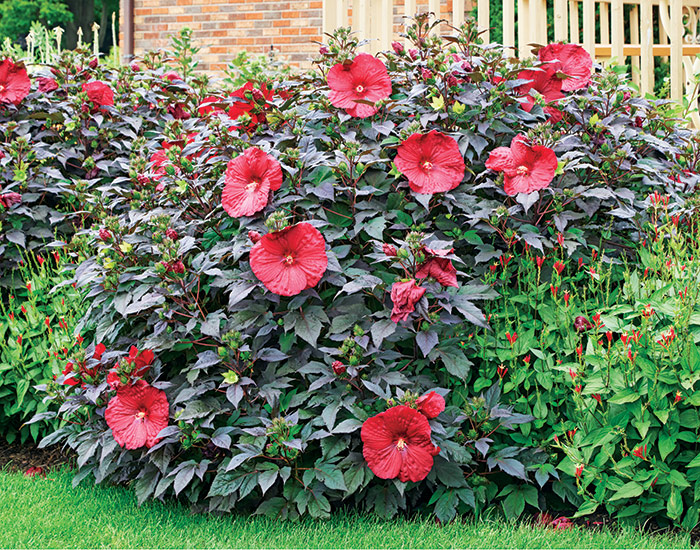
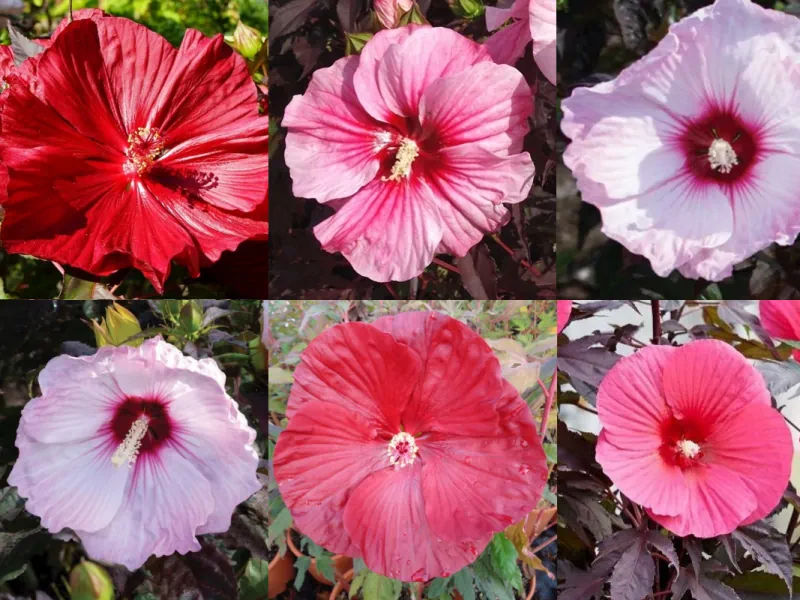

There is a wide range of hardy hibiscus varieties available today, many developed through selective breeding to enhance flower size, colour intensity, and plant form. These cultivars are generally based on Hibiscus moscheutos and related species.
Some varieties are valued for compact growth, making them suitable for smaller gardens or urban landscapes. Others are bred for exceptionally large blooms, often exceeding 25 centimetres in diameter. Leaf colour also varies, with some plants displaying deep green foliage and others featuring bronze or purplish tones.
In the UK and northern USA, cold-hardy selections are particularly important. These plants are chosen for their ability to withstand freezing temperatures and variable weather patterns. Gardeners often select a mix of varieties to extend the flowering season and create layered visual interest.
Red Hibiscus and Colour Selection
Red hibiscus plants hold a special place among hardy hibiscus selections. Their intense colour creates a focal point in summer borders and contrasts well with softer pastel tones. Deep red flowers are especially effective when planted alongside ornamental grasses or light-coloured perennials.
Colour choice is not purely aesthetic. Darker blooms tend to absorb more heat, which can influence flower longevity in hot climates. In southern parts of the USA, lighter shades may last slightly longer during peak summer temperatures. In the UK, where summers are milder, colour choice is largely a matter of personal preference and design style.
Many gardeners choose hardy hibiscus varieties with contrasting eye patterns, where a darker centre radiates outward. This feature adds depth to the flower and enhances its visibility from a distance.
Role of Hardy Hibiscus in Landscape Design
Hardy hibiscus plants contribute both structure and seasonal drama to garden design. Their upright growth habit makes them suitable as background plants in borders or as focal points in mixed perennial beds. Because they emerge later in spring, they pair well with bulbs and early-flowering plants that fade by early summer.
In larger landscapes, perennial hibiscus is often used near water features, ponds, or rain gardens. Its tolerance for moisture makes it an effective choice for areas where other perennials struggle. In the USA, it is frequently included in native or wildlife-friendly planting schemes.
In urban UK gardens, hardy hibiscus adds a tropical appearance without the maintenance challenges associated with true tropical plants. Its ability to survive winter outdoors reduces the need for greenhouse storage or seasonal replanting.
Climate Adaptability in the UK and USA
The success of hardy hibiscus in both the UK and the USA is closely linked to its adaptability. In colder regions, the plant’s underground root system remains protected during winter, allowing it to re-emerge reliably each year. Mulching provides additional insulation in areas with severe frost.
In warmer regions, heat tolerance is equally important. Hardy hibiscus handles high summer temperatures well, provided moisture levels are maintained. This balance of cold and heat tolerance makes it suitable for a wide geographical range, from southern England to the Midwest and eastern USA.
Weather variability, including heavy rainfall or short droughts, is less damaging to hardy hibiscus than to many ornamental plants. This resilience supports its growing popularity in climate-conscious landscape planning.
Maintenance and Long-Term Care
Once established, hardy hibiscus plants require relatively low maintenance. Deadheading is optional, as spent flowers fall naturally and do not significantly affect overall appearance. Cutting back stems in late autumn or early spring helps maintain a tidy garden and encourages strong new growth.
Pest issues are generally minimal, though aphids and Japanese beetles may occasionally appear in some US regions. Healthy plants grown in suitable conditions are better able to tolerate minor pest activity without long-term damage.
Dividing mature plants every few years can rejuvenate growth and control size. This practice is particularly useful in rich soils where plants expand rapidly. Divisions can also be used to propagate new hibiscus plants, extending their presence throughout the garden.
Ecological and Cultural Significance
Beyond ornamental value, hibiscus plants hold ecological importance. Their flowers provide nectar for pollinators, while dense foliage offers shelter for beneficial insects. In North America, native hibiscus species support local ecosystems more effectively than many non-native ornamentals.
Culturally, hibiscus flowers are associated with beauty and vitality in many traditions. While hardy hibiscus differs from tropical species often used symbolically, its visual impact carries similar associations of abundance and seasonal celebration.
In contemporary landscaping, hardy hibiscus represents a balance between aesthetic appeal and environmental responsibility. Its durability reduces the need for replacement planting, and its adaptability supports sustainable garden practices.
Conclusion
Hardy hibiscus plants offer a unique combination of resilience, beauty, and seasonal interest. As perennial hibiscus, they provide reliable year-to-year performance while delivering some of the most striking hibiscus flowers available to gardeners in the UK and the USA. From bold red hibiscus varieties to softer pastel selections, the range of colours and forms supports diverse design preferences.
Rooted in the characteristics of Hibiscus moscheutos, these plants continue to evolve through breeding and cultivation. Their ability to thrive in varied climates, tolerate moisture fluctuations, and support pollinators ensures their relevance in modern gardens.
Whether used as a focal point, a structural background plant, or part of a naturalistic landscape, hardy hibiscus remains a dependable and visually impressive choice. Its presence reflects a thoughtful approach to planting—one that values longevity, adaptability, and the enduring appeal of well-chosen perennial plants.