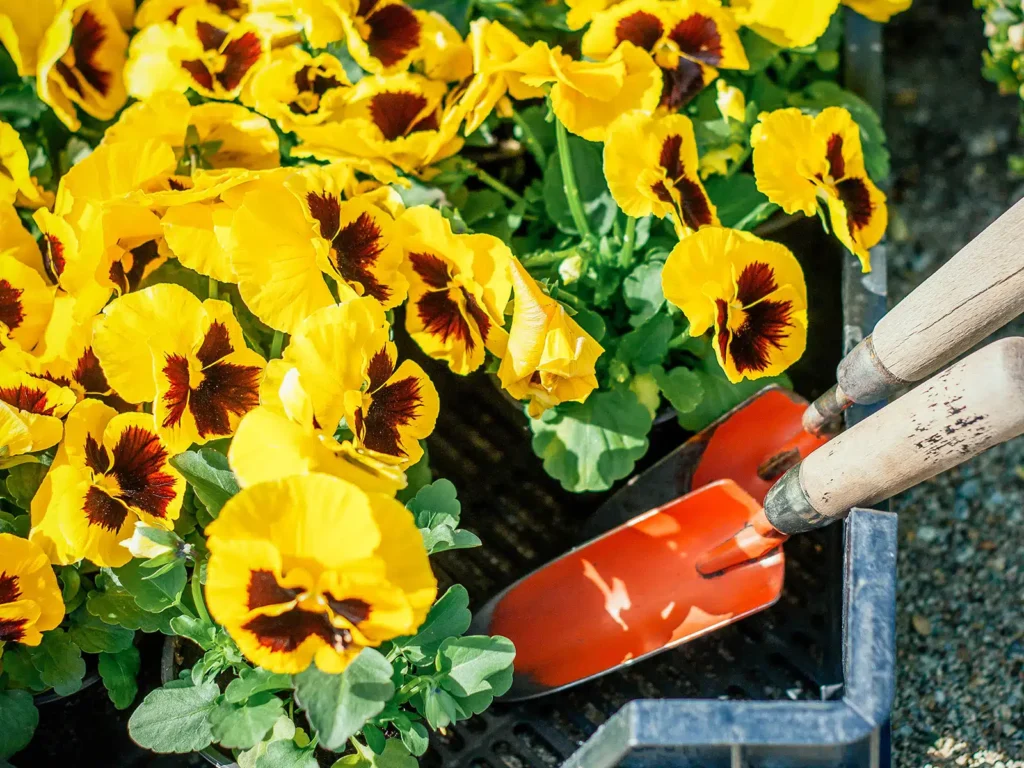
Few flowers capture the elegance, diversity, and enduring charm of chrysanthemums. Known affectionately as mums flowers, these blossoms have been admired for centuries for their rich colours, layered petals, and symbolic meanings across different cultures. Whether brightening autumn gardens in the UK or adding bursts of colour to American landscapes, chrysanthemum flowers remain a seasonal favourite that bridges beauty with tradition.
Often called the “Queen of Fall Flowers,” the chrysanthemum—or chrysanthemum x morifolium—belongs to the Asteraceae family, which also includes daisies and sunflowers. Its botanical name originates from the Greek words chrysos (gold) and anthemon (flower), referring to its golden-hued ancestors. Over time, careful cultivation has produced countless varieties featuring shades of red, pink, white, purple, and even green.
This article explores the fascinating history, varieties, cultural symbolism, and practical aspects of chrysanthemum flower care—offering readers in the United Kingdom and United States a closer look at how this stunning flower continues to thrive and inspire.
The Rich History of the Chrysanthemum
The chrysanthemum has a history that stretches back over 2,500 years. Originating in China, the flower was first cultivated as a medicinal herb and admired for its beauty. Ancient Chinese records from as early as the 15th century BC mention chrysanthemums being grown in imperial gardens. Over time, it became a symbol of nobility, longevity, and rejuvenation.
By the 8th century AD, chrysanthemums had made their way to Japan, where they took on new cultural significance. The Japanese imperial family adopted the chrysanthemum as its official emblem, and the flower came to represent the Emperor and the concept of perfection. Even today, the “Festival of Happiness” or “Chrysanthemum Day” is celebrated each September in Japan to honour this flower’s enduring beauty.
Chrysanthemums were later introduced to Europe in the 17th century, likely by Dutch traders, and eventually found a welcoming home in the gardens of England and other parts of the continent. In the United States, chrysanthemums became popular during the 19th century and have since become a staple in autumn landscapes, particularly known as hardy and colourful bedding plants.
Understanding Chrysanthemum Varieties
The chrysanthemum flower comes in a breathtaking range of forms and colours. Gardeners and florists alike appreciate its diversity, which allows it to complement almost any style—from cottage gardens to modern landscapes.
1. Single and Daisy-Like Chrysanthemums
These have a central disk surrounded by one or two rows of flat petals. They resemble daisies and are among the most common and cheerful varieties.
2. Pompon or Button Chrysanthemums
Compact and globe-shaped, these varieties produce small, dense blooms that work beautifully in floral arrangements or garden borders.
3. Spider Chrysanthemums
Their long, thin petals curve and twist, giving the appearance of delicate spider legs. They are especially striking in cut flower displays.
4. Decorative Chrysanthemums
These are the large, full blooms most people associate with mums flowers. Their layers of petals create a lush and elegant appearance, making them popular for both gardens and bouquets.
5. Anemone Chrysanthemums
Featuring a raised central cushion surrounded by petals, these flowers are known for their unique and sophisticated look.
Whether you spell it chrysanthemum, chrysanthamum, crysanthemum, or chrysantheum, these varieties highlight the flower’s adaptability and enduring appeal across different regions and climates.
Symbolism and Cultural Significance
Beyond their visual allure, chrysanthemum flowers carry deep symbolic meanings in different cultures.
-
In the UK, chrysanthemums often represent friendship, loyalty, and happiness. They’re frequently used in bouquets and autumnal displays.
-
In the USA, mums flowers are associated with cheerfulness and optimism. They are a common sight during Thanksgiving and fall festivities.
-
In Japan, as mentioned earlier, the chrysanthemum is the symbol of the Emperor and the imperial family, embodying perfection and longevity.
-
In China, it’s one of the “Four Gentlemen” in traditional Chinese art, symbolising autumn and the virtue of resilience.
Because chrysanthemums bloom late in the year, they are often linked with endurance, joy, and the beauty of life even as the seasons change. Their bright colours bring warmth to cooler months, reminding us of nature’s cycles of renewal.
Growing Chrysanthemums: From Garden to Vase
Chrysanthemums are remarkably adaptable plants that can be grown successfully in both the United Kingdom and United States. Their care requirements are relatively straightforward, but attention to timing, light, and soil can make all the difference in achieving vibrant blooms.
Climate and Location
Mums flowers prefer mild, temperate climates. In the UK, they thrive best in late summer and autumn, while in the USA, they are typically planted in early spring or summer, depending on the region. Chrysanthemums need plenty of sunlight—ideally six hours a day—and perform best in well-drained soil.
Soil and Planting
For healthy growth, choose a soil that is rich in organic matter. A loamy, slightly acidic to neutral soil (pH 6.0 to 7.0) is ideal. Mixing compost or well-rotted manure into the planting area improves nutrient levels and promotes good drainage.
Plant mums in rows or clusters about 18 to 24 inches apart, ensuring air circulation to reduce the risk of fungal diseases.
Watering and Feeding
Regular watering is key, especially during dry spells. The soil should be kept evenly moist but not waterlogged. Overwatering can lead to root rot, so good drainage is essential. During the growing season, applying a balanced, slow-release fertilizer every few weeks encourages strong stems and abundant flowers.
Pinching and Pruning
One of the secrets to lush, bushy chrysanthemum plants lies in pinching—the process of removing the growing tips of stems to promote branching. Start pinching when the plants are about 6 inches tall and continue until mid-summer. This ensures a compact, full appearance with plenty of blooms in autumn.
After flowering, cut back the stems to about 6 inches above the ground. In colder regions, mulch around the base to protect roots from frost.
Chrysanthemum x Morifolium Care
Among the many species of chrysanthemums, chrysanthemum x morifolium (also known as the garden mum or florist’s mum) is one of the most popular for both gardeners and florists. This hybrid variety has been selectively bred for its wide colour range, large blooms, and adaptability to indoor and outdoor conditions.
Light and Temperature
Chrysanthemum x morifolium prefers bright, indirect sunlight if grown indoors and full sun when grown outdoors. The ideal temperature range is between 15°C to 25°C (59°F to 77°F). These conditions encourage vigorous growth and longer-lasting flowers.
Watering Schedule
Water these chrysanthemums regularly but avoid overwatering. When grown in pots, ensure the container has proper drainage holes. It’s best to water at the base of the plant to prevent wetting the foliage, which can lead to mildew.
Fertilizing and Maintenance
Feed every two weeks with a balanced liquid fertilizer during the growing period. Deadheading—removing spent blooms—helps extend the flowering period and keeps the plant looking tidy.
Common Pests and Problems
Even though chrysanthemums are generally hardy, they can face challenges from pests and diseases.
-
Aphids: Small green insects that cluster on new growth. They can be controlled by spraying with water or using insecticidal soap.
-
Spider Mites: These tiny pests thrive in dry conditions and can cause yellowing leaves. Misting plants regularly or applying neem oil helps keep them under control.
-
Powdery Mildew: A common fungal issue, especially in humid environments. Ensuring good air circulation and avoiding overhead watering reduces risk.
-
Leaf Spot and Rust: Fungal diseases that cause discoloured patches on leaves. Remove affected foliage and use a fungicidal spray if needed.
Good garden hygiene—removing debris, rotating crops, and keeping plants spaced properly—goes a long way in preventing these issues.
Indoor Chrysanthemums: Bringing Colour Inside
While mums flowers are famous for their outdoor beauty, they can also brighten indoor spaces. Florist’s chrysanthemums are often sold as potted plants or cut flowers that add a burst of seasonal colour to homes.
When grown indoors:
-
Place the pot in a sunny window.
-
Keep soil consistently moist.
-
Maintain moderate humidity.
-
Remove faded blooms to encourage new buds.
Chrysanthemums also purify indoor air by removing toxins such as ammonia and benzene, according to NASA’s Clean Air Study, making them both decorative and beneficial.
Seasonal Interest and Landscaping Uses
In both UK and US gardens, chrysanthemums play a crucial role in extending colour into autumn when many other plants have faded. Their vibrant hues pair beautifully with asters, ornamental grasses, and late-season perennials.
They can be used in:
-
Borders and Beds: To create waves of colour along garden edges.
-
Containers and Hanging Baskets: Ideal for patios and balconies.
-
Cut Flower Arrangements: Their long vase life makes them a florist favourite.
Mixing different varieties and shades of chrysanthemums creates a layered and dynamic look that evolves as the season progresses.
The Science Behind Their Colours
The wide colour range of chrysanthemum flowers results from pigments known as anthocyanins and carotenoids. Plant breeders have developed hybrids that produce everything from deep burgundy to bright yellow and snowy white. New varieties continue to emerge, combining genetic traits that enhance colour intensity, petal shape, and longevity.
In recent years, scientific studies have even explored the use of chrysanthemums in biotechnology and medicine. Extracts from some varieties show potential antioxidant and anti-inflammatory properties, continuing the flower’s ancient reputation as both beautiful and beneficial.
Environmental Benefits of Chrysanthemums
Beyond aesthetics, chrysanthemums contribute positively to the environment. They attract pollinators such as bees and butterflies late in the season, providing a crucial food source when other blooms have faded. Certain varieties are also known to repel insect pests naturally due to compounds like pyrethrin, which is used in eco-friendly pest control products.
Gardeners who practice sustainable landscaping appreciate chrysanthemums for their low-maintenance nature and ability to thrive without excessive chemical treatments.
Chrysanthemums in Modern Culture
Across the United Kingdom and United States, chrysanthemums are woven into seasonal traditions. They appear in fall festivals, memorial tributes, and home décor. In Britain, chrysanthemums are often used in remembrance arrangements due to their association with loyalty and lasting affection. In America, they are the quintessential “fall flower,” adorning porches, gardens, and community spaces during autumn celebrations.
In fashion, art, and design, the layered symmetry of chrysanthemum petals continues to inspire patterns and motifs that reflect both order and natural grace.
Sustainability and the Future of Chrysanthemum Cultivation
Modern horticulture places increasing emphasis on sustainability, and chrysanthemums are well suited to eco-conscious gardening. Their resilience reduces the need for chemical fertilizers and pesticides, while perennial varieties return year after year with minimal intervention.
Breeders in both the UK and USA are now developing climate-resilient chrysanthemum varieties that can withstand changing weather patterns and support pollinator populations. These efforts ensure that the legacy of chrysanthemums will continue to flourish in a changing world.
Final Thoughts: The Enduring Allure of Chrysanthemums
From ancient imperial gardens in Asia to contemporary landscapes in the United Kingdom and United States, the chrysanthemum stands as a symbol of endurance, elegance, and joy. Its diversity of colour, shape, and cultural meaning makes it one of the most beloved flowers across continents and generations.
Whether admired for its autumn brilliance, its air-purifying qualities, or its simple ability to brighten a space, the chrysanthemum remains timeless. By understanding chrysanthemum flower care and embracing its varieties—from chrysanthemum x morifolium to classic garden mums—we not only preserve a horticultural treasure but also nurture a living connection between nature and human creativity.
So, the next time you see a vibrant cluster of mums flowers swaying in a crisp autumn breeze, take a moment to appreciate their history, resilience, and beauty—a reminder that even as seasons change, the splendour of life continues to bloom.