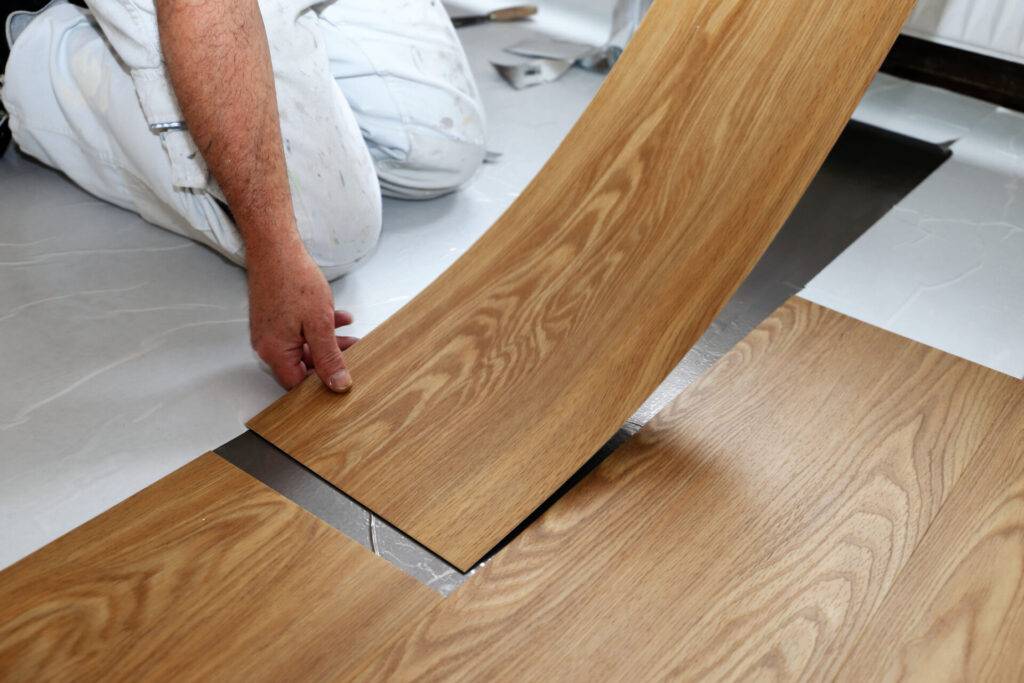
In the world of modern interiors, vinyl flooring has emerged as one of the most practical and stylish solutions for both residential and commercial spaces. Known for its durability, realistic design options, and cost efficiency, vinyl has evolved far beyond its early reputation. Today, it is a sophisticated flooring choice that closely replicates the appearance of natural materials such as wood, stone, or ceramic, while offering ease of maintenance and resilience under daily wear.
In homes across the UK and USA, vinyl flooring is appreciated for its ability to balance aesthetics, comfort, and function. Whether in kitchens, bathrooms, or busy hallways, it performs consistently well in environments that demand longevity and moisture resistance. Among its many varieties, luxury vinyl plank flooring (LVP) and luxury vinyl tile planks (LVT) have become synonymous with contemporary interior design.
This article takes an in-depth look at vinyl flooring, exploring its composition, variations, design features, and why it remains a favourite in modern spaces.
Understanding Vinyl Flooring: Composition and Structure
At its core, vinyl floor material is made from a blend of synthetic polymers, primarily polyvinyl chloride (PVC). Layers of PVC are combined with stabilisers, plasticisers, and printed films to create a strong yet flexible structure that can mimic natural surfaces.
A typical vinyl plank or tile consists of several layers:
-
Wear Layer – The transparent, protective coating that guards against scratches, stains, and scuffs.
-
Design Layer – A printed photographic film that gives vinyl its realistic appearance, resembling wood, stone, or tile.
-
Core Layer – The main structural component providing stability and thickness.
-
Backing Layer – Often cushioned, this layer enhances comfort underfoot and adds sound insulation.
In advanced formats such as luxury vinyl plank flooring, additional enhancements — such as rigid cores (SPC or WPC) — provide even greater durability and dimensional stability. These innovations make modern vinyl an adaptable choice for a variety of interior settings.
Evolution of Vinyl Flooring: From Utility to Luxury
When vinyl flooring was first introduced in the mid-20th century, it was primarily valued for being water-resistant and easy to clean — qualities that made it a popular choice in kitchens, bathrooms, and commercial facilities. Over the decades, improvements in printing technology and surface texturing have transformed vinyl into a high-end flooring category.
The development of luxury vinyl plank (LVP) and luxury vinyl tile (LVT) in the late 20th century marked a turning point. These newer types replicate the intricate details of hardwood and natural stone so effectively that, in many cases, they are visually indistinguishable from real materials.
In both the UK and USA, this evolution has driven a surge in popularity, as designers and homeowners seek sustainable, affordable, and aesthetically pleasing flooring alternatives.
What Is LVP Flooring?
The term LVP flooring stands for Luxury Vinyl Plank flooring, a specific type of vinyl designed to imitate hardwood floorboards. It is manufactured in long, narrow strips rather than square tiles, with realistic wood-like textures, grains, and finishes.
Unlike traditional sheet vinyl, luxury vinyl plank offers thickness, rigidity, and dimensional depth, making it more durable and visually authentic. It’s engineered with multiple layers, including a strong protective topcoat that resists scratches, dents, and moisture damage.
One of the key distinctions of LVP flooring is its versatility. It can be installed in nearly any room, including areas prone to humidity or temperature changes, where natural wood may warp or crack. This flexibility has made vinyl wood flooring a common sight in living rooms, basements, and even offices.
Luxury Vinyl Tile Planks: Stone and Ceramic Aesthetics
While LVP replicates the look of timber, Luxury Vinyl Tile (LVT) focuses on recreating the natural textures of stone, marble, and ceramic tiles. The planks or tiles often feature bevelled edges, textured finishes, and grout-line visuals to enhance realism.
In the UK, LVT has become a popular choice in bathrooms and kitchens, where homeowners desire the elegance of stone or tile without the coldness or brittleness associated with those materials. Similarly, in the USA, LVT is widely used in apartments, offices, and retail spaces for its ability to blend functionality with luxury aesthetics.
Both LVP and LVT share the same underlying technology but cater to different stylistic preferences — wood versus stone appearance — under the broader category of luxury vinyl flooring.
Vinyl Wood Flooring: The Look of Timber, the Strength of Vinyl
For those drawn to the warmth and character of real wood, vinyl wood flooring offers a practical alternative that maintains beauty without the maintenance concerns. The printed film layer of vinyl planks captures the rich textures of oak, maple, walnut, or hickory with remarkable realism.
Unlike solid hardwood, vinyl is resistant to moisture, making it suitable for spaces where traditional wood flooring would struggle, such as basements, kitchens, or entryways. The planks are also designed for dimensional stability, meaning they do not expand or contract significantly with changes in humidity.
The combination of aesthetic charm and resilience has made vinyl plank flooring a preferred choice for busy households and high-traffic environments.
The Manufacturing Process Behind Vinyl Flooring
The production of flooring vinyl plank involves advanced manufacturing techniques that merge precision engineering with artistic design.
-
Base Layer Formation: PVC resins are mixed with stabilisers and plasticisers to form a flexible, durable sheet.
-
Printing: A high-resolution photographic image — often of natural wood or stone — is printed onto a film layer.
-
Lamination: Layers are fused together under heat and pressure, with a clear wear layer added for surface protection.
-
Texturing: Embossing techniques are used to replicate authentic textures like wood grain or stone relief.
-
Cutting: The sheets are cut into planks or tiles with precise dimensions.
The result is a strong, resilient flooring product that captures the visual beauty of natural materials while maintaining the performance benefits of synthetic design.
Comparing Vinyl Flooring Types
Modern vinyl flooring can be classified into several categories based on structure and installation style:
-
Sheet Vinyl: Supplied in large rolls, ideal for seamless installations in moisture-prone areas.
-
Vinyl Plank Flooring (LVP): Mimics hardwood planks with realistic texture and easy installation.
-
Luxury Vinyl Tile (LVT): Replicates stone or ceramic tiles with high-definition designs.
-
Rigid Core Vinyl (SPC/WPC): Features a solid, waterproof core for enhanced stability and sound reduction.
Each type has its advantages, and the choice often depends on aesthetic preference, foot traffic levels, and installation location.
The Rise of Luxury Vinyl in Modern Interiors
Across the UK and USA, luxury vinyl flooring has redefined interior design standards. Designers increasingly choose it for its ability to deliver both comfort and elegance in high-performance spaces.
The surface of luxury vinyl plank flooring can be embossed to feel like real timber, complete with knots and grains. Some versions even use registered embossing — a technique that aligns surface textures exactly with the printed image for unmatched realism.
This attention to detail allows architects and designers to achieve natural looks with added benefits: acoustic insulation, underfoot comfort, and resistance to everyday wear.
Vinyl Fabric and Its Relation to Flooring
While the term vinyl fabric typically refers to flexible sheets used in upholstery or industrial coverings, it shares a common origin with vinyl flooring — both are made from PVC compounds.
In flooring, the vinyl layers are rigid and reinforced for strength, whereas vinyl fabric is designed for flexibility and adaptability. The underlying chemistry, however, remains similar: a durable, water-resistant material capable of withstanding stress, moisture, and temperature variations.
This shared composition underscores the versatility of vinyl as a material across various industries, from interior design to automotive manufacturing.
Environmental Considerations and Sustainability
Sustainability has become a defining issue in construction and design, and vinyl flooring manufacturers in the UK and USA have made significant strides toward eco-conscious production.
Modern luxury vinyl plank and LVT products often use recycled content, low-VOC (volatile organic compound) adhesives, and water-based inks in their printing layers. Some manufacturers operate closed-loop recycling systems, repurposing production waste into new flooring products.
Furthermore, vinyl’s long lifespan reduces the need for frequent replacement, indirectly contributing to resource conservation. While not a natural material, its durability and energy-efficient production make it a responsible choice when sourced from reputable producers.
Advantages of Vinyl Flooring in Contemporary Spaces
The popularity of vinyl plank and LVT flooring is rooted in a balance of practical and aesthetic benefits:
-
Moisture Resistance: Ideal for bathrooms, kitchens, and basements.
-
Durability: Resistant to scratches, dents, and stains.
-
Easy Maintenance: Requires only regular sweeping and occasional mopping.
-
Design Flexibility: Offers endless patterns, colours, and surface textures.
-
Comfort: Softer and warmer underfoot compared to stone or ceramic.
-
Affordability: Provides the look of premium materials at lower cost.
These qualities make luxury vinyl plank flooring a versatile option for both homes and businesses seeking long-term value without compromising visual appeal.
Vinyl Flooring in the UK and USA: Market Trends
In the UK, vinyl flooring continues to rise in popularity due to its adaptability in older homes and modern apartments alike. The ability to install it over existing subfloors and its compatibility with underfloor heating systems make it particularly suited to British interiors.
Meanwhile, in the USA, the trend toward luxury vinyl plank and vinyl wood flooring aligns with the broader move toward low-maintenance living. American homeowners appreciate LVP’s resemblance to real hardwood combined with its ability to handle climate variations — from humid southern states to colder northern regions.
Across both markets, vinyl’s resilience and affordability have positioned it as a key material in modern flooring design.
Challenges and Considerations
Despite its many advantages, vinyl flooring is not without limitations. Prolonged exposure to direct sunlight may cause fading, especially in rooms with large windows. Heavy furniture can also leave impressions if protective pads are not used.
Additionally, while luxury vinyl plank flooring is water-resistant, subfloor moisture must still be managed carefully during installation to prevent damage. Choosing quality materials and ensuring proper fitting remain critical for achieving long-lasting results.
Manufacturers and installers in the UK and USA continue to refine product technology and installation methods to address these concerns, further enhancing vinyl’s performance.
The Aesthetic Versatility of Vinyl
One of the defining characteristics of vinyl flooring is its aesthetic adaptability. Available in countless designs — from rustic wood grains to sleek stone finishes — it complements virtually any interior style.
In minimalist or contemporary spaces, neutral-tone planks in grey oak or white ash create a clean, spacious look. In traditional homes, rich walnut or hickory patterns offer warmth and depth. Meanwhile, luxury vinyl tile planks featuring marble or slate effects bring elegance to bathrooms and kitchens without the high maintenance of natural stone.
This broad range of visual options ensures that vinyl floor solutions can match diverse design preferences and architectural contexts.
Longevity and Performance Over Time
When properly maintained, vinyl flooring can last between 15 and 25 years, depending on quality and foot traffic. The durability of the wear layer and the integrity of the installation largely determine its lifespan.
Unlike wood, vinyl does not require refinishing. Its stain-resistant surface keeps it looking clean and new for years, even in high-use areas. In commercial spaces such as offices, retail stores, or hospitality venues, luxury vinyl plank and LVT are valued for their ability to withstand constant activity while retaining an elegant appearance.
The Technological Future of Vinyl Flooring
Innovation continues to shape the future of vinyl plank flooring. Developments such as click-lock systems have simplified installation, while rigid core technologies (SPC and WPC) have enhanced water resistance and structural strength.
Emerging trends include 3D printing, which allows even more realistic surface patterns, and antimicrobial coatings, which improve hygiene — especially important in healthcare or educational environments.
As sustainable materials and smart home integration advance, vinyl’s role in the flooring industry is expected to grow even further, driven by its combination of beauty, practicality, and innovation.
Conclusion: The Enduring Appeal of Vinyl
From its early utilitarian beginnings to its current status as a leading design material, vinyl flooring has undergone a remarkable transformation. It now represents a perfect blend of engineering precision and artistic expression.
Whether it takes the form of luxury vinyl plank, vinyl wood flooring, or luxury vinyl tile planks, this material offers timeless appeal, exceptional resilience, and comfort underfoot. Its success in both the UK and USA highlights its global relevance as a modern, sustainable flooring solution.
In the evolving landscape of interior design, vinyl continues to prove that practicality and elegance can coexist — one plank at a time.